
Introduction
Polyvinyl Chloride (PVC) tank fittings represent a critical component in fluid handling systems across diverse industrial applications, including chemical processing, water treatment, agriculture, and aquaculture. These fittings—encompassing elbows, tees, couplings, valves, and adapters—facilitate the secure and leak-proof connection of PVC piping to tanks and other process equipment. Their widespread adoption stems from PVC's inherent resistance to corrosion, low cost, ease of installation, and acceptable mechanical properties for a wide range of non-pressurized or low-pressure applications. However, proper specification is crucial. The industry currently faces challenges related to ensuring long-term chemical compatibility, particularly with aggressive media, and maintaining structural integrity under varying temperature and load conditions. This guide provides a comprehensive technical overview of PVC tank fittings, covering material science, manufacturing processes, performance characteristics, failure modes, and relevant industry standards, aimed at engineering professionals and procurement specialists.
Material Science & Manufacturing
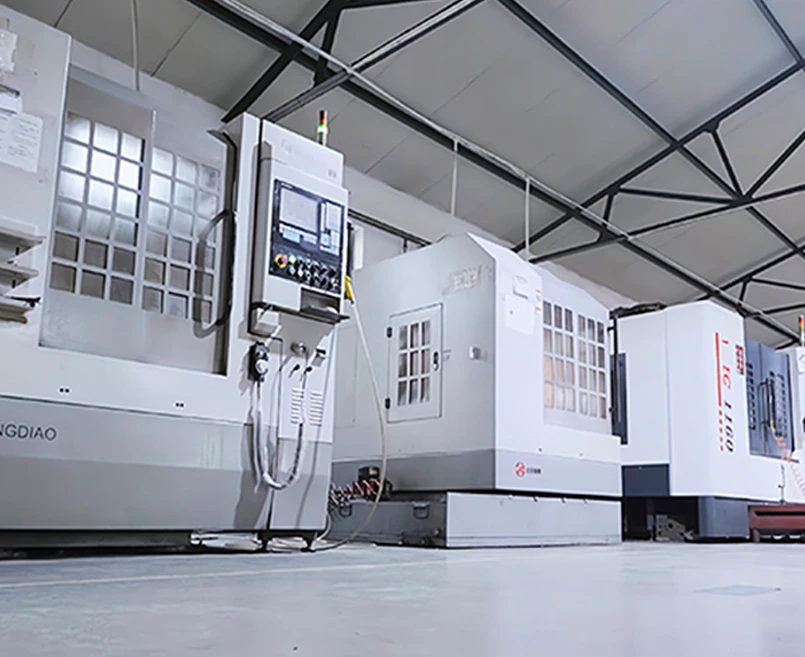
PVC tank fittings are primarily manufactured from rigid PVC compounds, typically incorporating polyvinyl chloride resin, plasticizers (often phthalates or alternatives like DINP), stabilizers (typically lead-based or calcium-zinc based, the latter gaining prominence due to environmental concerns), lubricants, and fillers. The choice of resin molecular weight and plasticizer type significantly influences the fitting’s flexibility, impact resistance, and temperature performance. Raw material quality control, including resin K-value (intrinsic viscosity), is paramount to ensure consistent processing and end-product properties. Manufacturing predominantly relies on injection molding. This process involves melting PVC pellets, injecting the molten material into a closed mold under high pressure, allowing it to cool and solidify, and then ejecting the finished fitting. Critical parameters in injection molding include melt temperature (typically 180-210°C), mold temperature (30-50°C), injection pressure (600-1000 bar), and cooling time. Precise control of these parameters is essential to minimize warpage, sink marks, and internal stresses. Post-molding operations may include deburring, threading (for threaded fittings), and quality inspection. Material compatibility with potential media is determined by assessing chemical resistance charts, considering factors such as concentration, temperature, and exposure duration. Thermal degradation of PVC during processing must be minimized through proper venting and shear control. The addition of impact modifiers (e.g., chlorinated polyethylene) can enhance the fitting’s toughness, particularly at lower temperatures.
Performance & Engineering
The performance of PVC tank fittings is dictated by several engineering considerations. Hydrostatic pressure resistance is a primary concern, particularly in tank outlet connections. This is governed by the fitting’s wall thickness, diameter, and the PVC compound’s tensile strength. Stress analysis, often employing Finite Element Analysis (FEA), is used to predict the fitting’s behavior under load. Chemical resistance is critical; prolonged exposure to incompatible solvents can cause swelling, cracking, and eventual failure. Temperature effects are also significant. PVC becomes brittle at low temperatures (below 5°C) and can soften or deform at elevated temperatures (above 60°C). Furthermore, creep—the tendency of a solid material to deform slowly under sustained stress—must be considered, particularly in long-term applications. UV exposure can lead to discoloration and embrittlement, necessitating the use of UV stabilizers in outdoor applications. The design of threaded connections must account for proper sealing to prevent leaks. Thread form, sealant selection (typically PTFE tape or paste), and torque specifications are crucial. Fatigue analysis is important for fittings subject to cyclical loading (e.g., from tank sloshing or vibration). Compliance with relevant standards (e.g., NSF/ANSI 61 for potable water systems) is often required, dictating material composition, manufacturing processes, and performance testing requirements. The coefficient of thermal expansion for PVC (approximately 8 x 10⁻⁵ /°C) must also be considered in system design to accommodate thermal movement.
Technical Specifications
| Parameter | Units | Typical Value (Schedule 40 PVC) | Test Standard |
|---|---|---|---|
| Material | - | Rigid PVC (Polyvinyl Chloride) | ASTM D1785 |
| Pressure Rating | psi | 400 @ 73°F (23°C) | ASTM D2412 |
| Tensile Strength | psi | 6,000 - 8,000 | ASTM D638 |
| Impact Strength (Izod Notched) | ft-lb/in | 1.0 - 2.0 | ASTM D256 |
| Water Absorption (24 hours) | % | < 0.1 | ASTM D570 |
| Chemical Resistance | - | Excellent to acids, alkalis, and many solvents (consult chemical resistance chart) | ASTM D680 |
Failure Mode & Maintenance
PVC tank fittings are susceptible to several failure modes. Chemical attack is a primary cause, leading to swelling, cracking (stress cracking), and dissolution of the PVC matrix. This is exacerbated by elevated temperatures and aggressive chemicals. Mechanical failure can occur due to over-tightening of threaded connections (causing cracking), impact damage (leading to brittle fracture), or fatigue cracking from cyclical loading. UV degradation causes embrittlement and loss of impact strength. Thermal distortion can occur at high temperatures, leading to leaks or deformation. Hydrostatic failure results from exceeding the pressure rating of the fitting. Maintenance procedures include regular visual inspection for cracks, discoloration, or swelling. Periodic torque checks of threaded connections are crucial to prevent over-tightening. Protecting fittings from direct sunlight and extreme temperatures can prolong their service life. If chemical exposure is unavoidable, selecting a PVC compound with demonstrated resistance to the specific media is essential. In the event of a leak, the fitting should be replaced immediately. Preventative maintenance programs should include documented inspection schedules and records of repairs or replacements. Proper storage of fittings—away from direct sunlight, heat sources, and chemicals—is also vital to maintain their integrity.
Industry FAQ
Q: What is the impact of prolonged exposure to chlorine on PVC tank fittings?
A: Prolonged exposure to chlorine, particularly at elevated concentrations and temperatures, can cause significant degradation of PVC. Chlorine attacks the PVC polymer chains, leading to embrittlement, cracking, and eventual failure. The rate of degradation depends on chlorine concentration, temperature, exposure duration, and the specific PVC formulation. Using PVC fittings specifically formulated for chlorinated water applications (containing higher levels of stabilizers) is recommended, but even these have a limited lifespan.
Q: How does temperature affect the pressure rating of PVC fittings?
A: The pressure rating of PVC fittings decreases with increasing temperature. As temperature rises, the tensile strength and modulus of elasticity of PVC decrease, reducing its ability to withstand internal pressure. Published pressure ratings are typically specified at 73°F (23°C). Derating factors are often provided by manufacturers to adjust the pressure rating for higher operating temperatures. Operating a PVC fitting above its rated temperature and pressure can lead to catastrophic failure.
Q: What is the best sealant to use on threaded PVC fittings, and what is the recommended torque?
A: PTFE (Teflon) tape or paste is the preferred sealant for threaded PVC fittings. It provides a reliable, chemically inert seal. Avoid using pipe dope containing petroleum-based solvents, as these can attack the PVC. Recommended torque values vary depending on the fitting size and manufacturer’s specifications, but generally range from 10-20 ft-lbs for smaller fittings (1/2” - 1”) and increase with size. Always refer to the manufacturer's datasheet.
Q: What are the key differences between Schedule 40 and Schedule 80 PVC fittings?
A: Schedule 40 and Schedule 80 refer to the wall thickness of the PVC pipe and fittings. Schedule 80 fittings have thicker walls than Schedule 40 fittings, resulting in higher pressure ratings and greater mechanical strength. Schedule 80 fittings are typically used in applications requiring higher pressure resistance or increased durability. However, they are also more expensive and slightly more difficult to install.
Q: Can PVC fittings be used with metal piping systems? If so, what precautions should be taken?
A: While it’s possible to connect PVC fittings to metal piping systems using dielectric unions or adapters, it's generally not recommended due to galvanic corrosion. The dissimilar metals can create a galvanic cell, leading to corrosion of the metal component. If such a connection is unavoidable, a dielectric union or sleeve must be used to electrically isolate the PVC from the metal, preventing corrosion. Furthermore, thermal expansion differences between PVC and metal must be accommodated to avoid stress on the connection.
Conclusion
PVC tank fittings offer a cost-effective and corrosion-resistant solution for a broad spectrum of fluid handling applications. However, successful implementation hinges on a thorough understanding of the material’s properties, manufacturing processes, and potential failure modes. Proper material selection, adhering to recommended installation practices, and implementing a robust maintenance program are critical for ensuring long-term reliability and preventing costly downtime. The key takeaway is that PVC fittings are not universally applicable and require careful consideration of the operating environment and process conditions.
Future advancements in PVC formulations, including the development of more chemically resistant compounds and enhanced UV stabilizers, will further expand the application range of these fittings. Increased adoption of non-phthalate plasticizers will also address growing environmental concerns. Continued research into non-destructive testing methods for assessing the integrity of in-service PVC fittings will be essential for improving predictive maintenance capabilities and minimizing the risk of unexpected failures.