
Introduction
Polyvinyl Chloride (PVC) water line fittings represent a critical component in potable water distribution systems, irrigation networks, and wastewater management. Positioned downstream from PVC pipe extrusion, these fittings facilitate directional changes, connections, and flow control within a piping system. Their core performance characteristics center around pressure resistance, chemical inertness, and long-term durability. PVC fittings are preferred over metallic alternatives in many applications due to their corrosion resistance and lower installation cost. The industry currently faces challenges related to ensuring consistent material quality, minimizing potential leaching of additives, and adapting to evolving regulatory standards concerning water safety. Understanding the nuances of PVC formulation, manufacturing processes, and performance under varying operational conditions is paramount for engineers and procurement professionals alike.
Material Science & Manufacturing
PVC fittings are primarily composed of PVC resin, a thermoplastic polymer produced from the polymerization of vinyl chloride monomer (VCM). The PVC resin is rarely used in its pure form; instead, it’s compounded with various additives to tailor its properties for specific applications. These additives include plasticizers (typically phthalates or adipates) to enhance flexibility, stabilizers (often based on tin or calcium-zinc compounds) to prevent thermal degradation during processing, lubricants to facilitate extrusion and injection molding, and impact modifiers to increase toughness. The selection of these additives directly influences the fitting’s long-term performance and compliance with potable water standards.
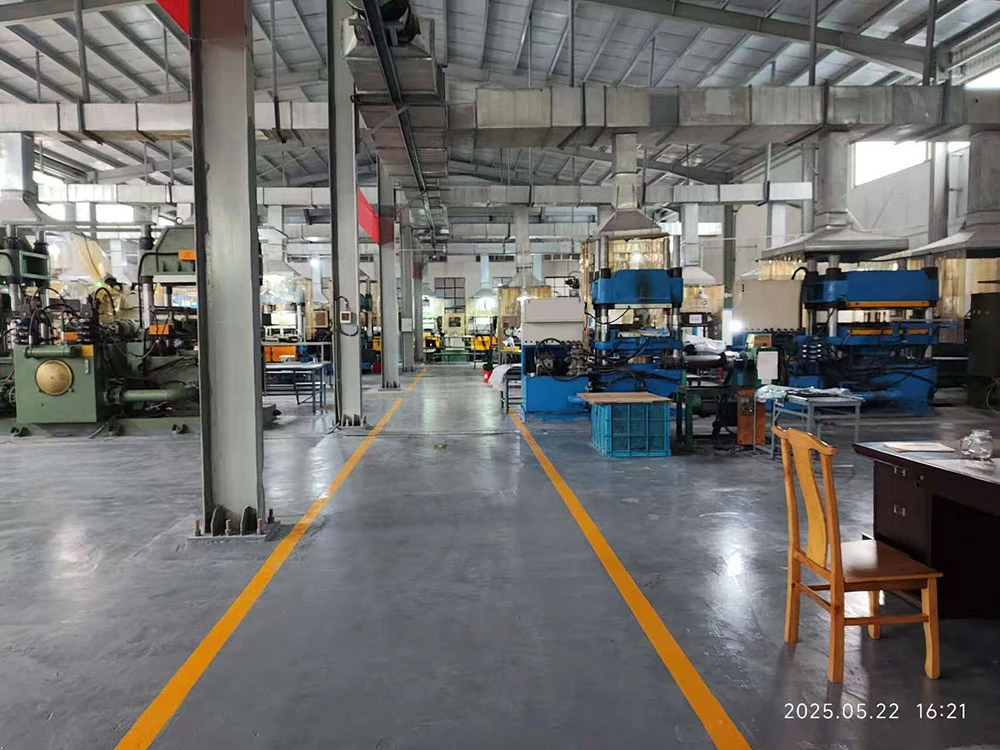
Manufacturing processes vary based on fitting size and geometry. Small-diameter fittings (under 4 inches) are typically produced via injection molding. This process involves melting PVC compound and injecting it under high pressure into a mold cavity. Precise temperature control, injection speed, and cooling rates are critical to prevent warping, shrinkage, and internal stresses. Larger diameter fittings and complex geometries often utilize extrusion molding. This involves forcing the molten PVC compound through a die to create a continuous profile which is then cut to length and finished. Critical parameters in extrusion include die temperature, screw speed, and haul-off speed. Post-processing steps, such as deburring and quality control inspection, are essential to ensure dimensional accuracy and surface finish. The degree of crystallinity within the PVC material, influenced by cooling rates, directly impacts impact strength and resistance to creep.
Performance & Engineering
The performance of PVC water line fittings is governed by several engineering principles. Hydrostatic pressure testing, conducted according to standards like ASTM D2412, verifies the fitting’s ability to withstand internal pressure without failure. The fitting's wall thickness, geometry, and material properties (specifically, tensile strength and yield strength) are key factors influencing its pressure rating. Force analysis, employing Finite Element Analysis (FEA), is commonly used during the design phase to identify stress concentration points and optimize fitting geometry for maximum strength. Chemical resistance is another crucial aspect; PVC exhibits excellent resistance to most acids, alkalis, and salts commonly found in water supplies, but can be affected by certain organic solvents and aromatic hydrocarbons.
Environmental resistance is paramount. Long-term exposure to ultraviolet (UV) radiation can cause PVC degradation, leading to embrittlement and discoloration. UV stabilizers are incorporated into the PVC compound to mitigate this effect. Temperature fluctuations induce thermal expansion and contraction, which can create stress at joints if not properly accounted for during installation. Soil conditions surrounding buried pipelines can also impact fitting performance; corrosive soils can accelerate degradation of the PVC material. Compliance with relevant regulations, such as NSF/ANSI 61 for potable water safety, is mandatory. This standard sets limits for the leaching of potentially harmful substances from the PVC material into the water supply.
Technical Specifications
| Parameter | Units | Typical Value (Schedule 40 PVC) | Testing Standard |
|---|---|---|---|
| Pressure Rating | psi | 400 | ASTM D2412 |
| Tensile Strength | psi | 6,000 - 8,000 | ASTM D638 |
| Flexural Modulus | psi | 300,000 - 400,000 | ASTM D790 |
| Impact Strength (Izod Notched) | ft-lb/in | 1.0 - 2.0 | ASTM D256 |
| Water Absorption (24hr) | % | <0.1 | ASTM D570 |
| Hardness (Shore D) | 65-80 | ASTM D2240 |
Failure Mode & Maintenance
PVC water line fittings are susceptible to several failure modes. Hydrostatic failure, resulting from exceeding the pressure rating, is a catastrophic event. However, more common failure modes include slow crack growth (SCG), caused by sustained tensile stress and exposure to certain chemicals, and crazing, a network of microcracks on the surface due to stress concentration. UV degradation leads to embrittlement and cracking, particularly in fittings exposed to sunlight. Delamination can occur in improperly molded fittings due to insufficient material bonding. Corrosion, although PVC itself is corrosion-resistant, can affect metal components within the fitting (e.g., threaded inserts).
Preventative maintenance primarily focuses on proper installation and system operation. Avoiding excessive tightening of threaded connections prevents stress cracking. Protecting exposed fittings from UV radiation with coatings or shielding is essential. Regular inspection for signs of cracking, crazing, or deformation is crucial. If a fitting shows signs of damage, it should be replaced immediately. For SCG, identifying and eliminating the source of sustained stress and chemical exposure is critical. Cleaning fittings periodically to remove debris and contaminants can also prolong their service life. Proper backfilling around buried pipelines minimizes mechanical stress and provides support.
Industry FAQ
Q: What is the impact of water hammer on PVC fittings and how can it be mitigated?
A: Water hammer, caused by sudden changes in flow velocity, generates pressure surges that can exceed the fitting’s pressure rating, leading to cracking or joint failure. Mitigation strategies include installing water hammer arrestors, utilizing slow-closing valves, and properly supporting pipelines to minimize movement. Pressure relief valves are also crucial for preventing overpressure situations.
Q: How do different plasticizers affect the long-term performance of PVC fittings?
A: Plasticizers improve flexibility but can leach out over time, causing the PVC to become brittle. Phthalate plasticizers have faced regulatory scrutiny due to potential health concerns, leading to increased use of alternative plasticizers like adipates and citrates. The type and concentration of plasticizer significantly impact the fitting’s lifespan and compliance with potable water standards.
Q: What are the key considerations when selecting PVC fittings for use with corrosive fluids?
A: While PVC exhibits good chemical resistance, certain corrosive fluids (e.g., concentrated acids, strong solvents) can cause degradation. Select fittings specifically designed for chemical service, utilizing PVC compounds with enhanced chemical resistance. Consult chemical compatibility charts to ensure the fitting material is suitable for the intended application. Consider using alternative materials, such as CPVC, for highly corrosive environments.
Q: How does the temperature of the transported fluid affect the performance of PVC fittings?
A: Elevated temperatures reduce the pressure rating and impact strength of PVC fittings. Exceeding the maximum operating temperature specified by the manufacturer can lead to premature failure. For hot water applications, consider using CPVC fittings, which offer higher temperature resistance. Thermal expansion and contraction must also be accounted for during installation to prevent stress on joints.
Q: What quality control measures are crucial during the manufacturing of PVC fittings to ensure reliability?
A: Rigorous quality control is paramount. This includes raw material testing to verify compliance with specifications, dimensional inspection of finished fittings, hydrostatic pressure testing to validate pressure rating, and impact strength testing to assess toughness. Statistical process control (SPC) should be implemented to monitor manufacturing processes and identify potential issues before they lead to defects.
Conclusion
PVC water line fittings represent a cost-effective and durable solution for a wide range of water conveyance applications. Their performance is fundamentally linked to the selection of appropriate PVC formulations, meticulous manufacturing processes, and adherence to relevant industry standards. Understanding the potential failure modes and implementing preventative maintenance measures are crucial for maximizing service life and ensuring the long-term reliability of these critical components.
Looking ahead, advancements in PVC compounding technology, such as the development of bio-based plasticizers and improved UV stabilizers, will further enhance the sustainability and performance of PVC fittings. Increased focus on chemical compatibility testing and standardization of accelerated aging protocols will contribute to more accurate performance prediction and improved quality control. The continued adoption of FEA and other advanced engineering tools will enable the design of more robust and efficient PVC fitting solutions for evolving water infrastructure demands.