
Introduction
Polyvinyl chloride (PVC) pipe fittings are integral components within fluid conveyance systems, primarily utilized for their cost-effectiveness, corrosion resistance, and ease of installation. These fittings, encompassing elbows, tees, couplings, and valves, facilitate directional changes, branching, and flow control in various applications including potable water distribution, irrigation, wastewater management, and chemical processing. The selection of appropriate PVC fitting sizes is critical for maintaining system integrity, optimizing flow rates, and preventing leaks. This guide provides a comprehensive technical overview of PVC pipe fitting sizes, encompassing material science, manufacturing processes, performance characteristics, failure modes, and relevant industry standards. A core industry pain point lies in the lack of standardized understanding of pressure de-rating based on temperature and the long-term effects of chemical exposure on PVC compound stability, leading to premature failures and costly replacements. This document aims to address those challenges.
Material Science & Manufacturing
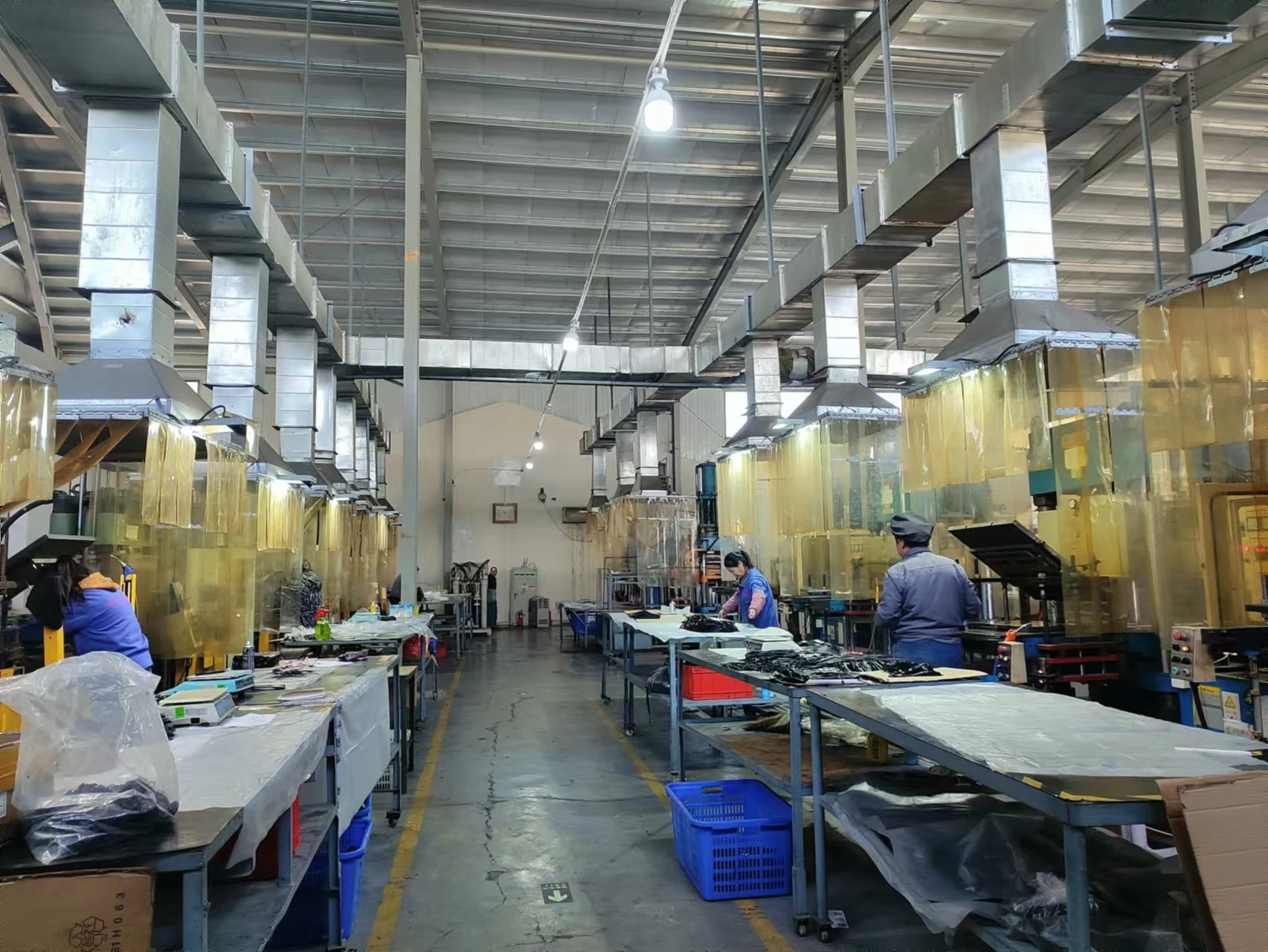
PVC fittings are predominantly manufactured from rigid PVC compounds, formulated with stabilizers, lubricants, and impact modifiers. The base resin, polyvinyl chloride, is a thermoplastic polymer produced through the polymerization of vinyl chloride monomer. Critical material properties influencing fitting performance include tensile strength (ASTM D882), impact strength (ASTM D256), flexural modulus (ASTM D790), and chemical resistance (ASTM D680). Manufacturing typically involves extrusion, injection molding, and compression molding processes. Extrusion is used for producing straight fittings like couplings and sections of pipe, while injection molding is favored for complex geometries such as elbows and tees. Critical process parameters include melt temperature (typically 180-200°C), mold temperature (30-60°C for injection molding), and cooling rate. Proper control of these parameters is essential to minimize residual stress, ensure dimensional accuracy, and prevent warping or shrinkage. The choice of stabilizer impacts long-term UV resistance and thermal stability. Tin stabilizers were historically common, but are being superseded by calcium-zinc stabilizers due to environmental concerns. The quality of the PVC compound, particularly the distribution of stabilizers and impact modifiers, directly impacts the fitting’s resistance to cracking and brittle failure.
Performance & Engineering
The performance of PVC pipe fittings is fundamentally governed by their ability to withstand internal hydrostatic pressure, external loads, and environmental stresses. Hydrostatic pressure resistance is determined by the fitting's wall thickness, diameter, and material properties, and is typically tested according to ASTM D1597. Force analysis involves considering hoop stress (circumferential stress) and longitudinal stress resulting from internal pressure. External loads, such as soil loading or traffic loads, can induce deflection and potentially lead to cracking, particularly in buried applications. The fittings must also exhibit adequate resistance to environmental degradation, including UV exposure, temperature fluctuations, and chemical attack. PVC is susceptible to degradation from prolonged exposure to direct sunlight, causing embrittlement and discoloration. Chemical resistance varies depending on the specific PVC compound and the nature of the chemical. Strong oxidizing agents, aromatic hydrocarbons, and ketones can cause swelling, softening, or dissolution of the PVC. Compliance with standards such as NSF/ANSI 61 (for potable water systems) ensures that the fittings do not leach harmful contaminants into the water supply. Pressure de-rating factors, as outlined in ASTM D1785, must be applied to account for temperature variations; increased temperature reduces the pressure rating of the fitting.
Technical Specifications
| Nominal Pipe Size (inches) | Schedule 40 Outer Diameter (inches) | Schedule 80 Outer Diameter (inches) | Maximum Working Pressure (psi) @ 73°F (Schedule 40) |
|---|---|---|---|
| 1/2 | 0.625 | 0.750 | 450 |
| 3/4 | 0.840 | 0.984 | 400 |
| 1 | 1.050 | 1.280 | 350 |
| 1 1/4 | 1.250 | 1.440 | 300 |
| 1 1/2 | 1.500 | 1.680 | 280 |
| 2 | 2.067 | 2.375 | 230 |
Failure Mode & Maintenance
PVC pipe fittings are susceptible to several failure modes, including cracking, splitting, crazing, and chemical degradation. Cracking can occur due to excessive stress, impact damage, or thermal cycling. Splitting is often associated with improper solvent welding techniques, resulting in incomplete fusion of the joint. Crazing, a network of micro-cracks, is indicative of stress concentration and can lead to premature failure. Chemical degradation manifests as swelling, softening, or discoloration of the PVC, reducing its mechanical properties. Long-term exposure to UV radiation causes embrittlement. Failure analysis often reveals that failures originate at stress concentrators, such as sharp corners or weld seams. Maintenance primarily involves regular visual inspections for cracks, leaks, or signs of degradation. Proper solvent welding is crucial; this involves cleaning and priming the surfaces before applying the cement. Avoid over-tightening threaded connections, as this can induce stress cracking. For buried applications, ensure adequate bedding and backfill to provide support and prevent external loads. Periodic testing of water quality can detect potential chemical attack. If degradation is observed, replacement of the affected fitting is recommended. Preventive measures, such as applying UV-resistant coatings or using shielded fittings in exposed areas, can extend service life.
Industry FAQ
Q: What is the impact of temperature on the pressure rating of PVC fittings?
A: Elevated temperatures significantly reduce the pressure rating of PVC fittings. As temperature increases, the tensile strength and impact resistance of PVC decrease, making it more susceptible to failure under pressure. ASTM D1785 provides pressure de-rating factors that must be applied to the maximum working pressure based on the operating temperature. For example, at 100°F, the pressure rating may be reduced to 75% of the rating at 73°F.
Q: How do different types of solvents affect PVC fittings?
A: PVC fittings exhibit varying resistance to different solvents. Aromatic hydrocarbons (e.g., benzene, toluene), ketones (e.g., acetone), and chlorinated solvents can cause swelling, softening, and eventual degradation of the PVC material. Aliphatic hydrocarbons (e.g., propane, butane) generally have a lesser effect. Always consult a chemical resistance chart (ASTM D680) to determine the compatibility of the fitting material with the intended chemical environment.
Q: What are the key considerations for solvent welding PVC fittings?
A: Successful solvent welding requires proper surface preparation, application of primer and cement, and adequate curing time. Surfaces must be clean, dry, and free of contaminants. The primer softens the PVC surface, creating a chemical bond with the cement. Apply the cement evenly and quickly, avoiding excessive amounts. Allow sufficient curing time (typically 24 hours) for the joint to reach full strength. Improper solvent welding can lead to weak joints and leaks.
Q: How does UV exposure affect the long-term performance of PVC fittings?
A: Prolonged exposure to ultraviolet (UV) radiation causes embrittlement and discoloration of PVC fittings. UV radiation degrades the polymer chains, reducing their flexibility and impact resistance. Use of UV-stabilized PVC compounds, application of UV-resistant coatings, or burial of fittings can mitigate this effect. Schedule 80 fittings offer slightly better UV resistance due to their thicker walls.
Q: What is the difference between Schedule 40 and Schedule 80 PVC fittings and when should each be used?
A: Schedule 40 and Schedule 80 refer to the wall thickness of the PVC fitting. Schedule 80 fittings have thicker walls than Schedule 40 fittings, resulting in higher pressure ratings and greater resistance to impact. Schedule 40 is typically used for lower-pressure applications, such as residential water distribution and irrigation. Schedule 80 is preferred for higher-pressure applications, such as industrial chemical processing and commercial plumbing systems. It's critical that the schedule matches throughout the entire system.
Conclusion
The selection and application of PVC pipe fittings require a thorough understanding of material properties, manufacturing processes, performance characteristics, and potential failure modes. Proper sizing, installation, and maintenance are crucial for ensuring long-term system reliability and preventing costly failures. Addressing the industry pain points related to temperature de-rating and chemical compatibility through careful material selection and adherence to relevant standards is paramount.
Future developments in PVC compounding, such as the incorporation of advanced stabilizers and impact modifiers, will likely enhance the performance and durability of these fittings. Furthermore, improved non-destructive testing methods for assessing material degradation will enable proactive maintenance and prevent catastrophic failures. Continued adherence to international standards and best practices remains essential for maintaining the integrity of PVC pipe fitting systems.