
Introduction
Polyvinyl chloride (PVC) pipe connection fittings are integral components in fluid conveyance systems across diverse industries, including potable water distribution, wastewater management, irrigation, and chemical processing. These fittings, typically injection molded, provide a reliable means of joining PVC pipes, facilitating changes in direction, branching, and sealing connections. Their technical position within the plumbing and piping industry chain is as a critical interfacing element determining system integrity and longevity. Core performance characteristics revolve around pressure rating, leak-proof sealing, chemical resistance, and dimensional accuracy. The selection of appropriate fittings is paramount, directly influencing the overall efficiency and safety of the piping network. A prevalent industry pain point lies in the degradation of fittings due to UV exposure, improper installation leading to stress cracking, and compatibility issues with certain chemical fluids, necessitating robust material selection and adherence to installation best practices.
Material Science & Manufacturing
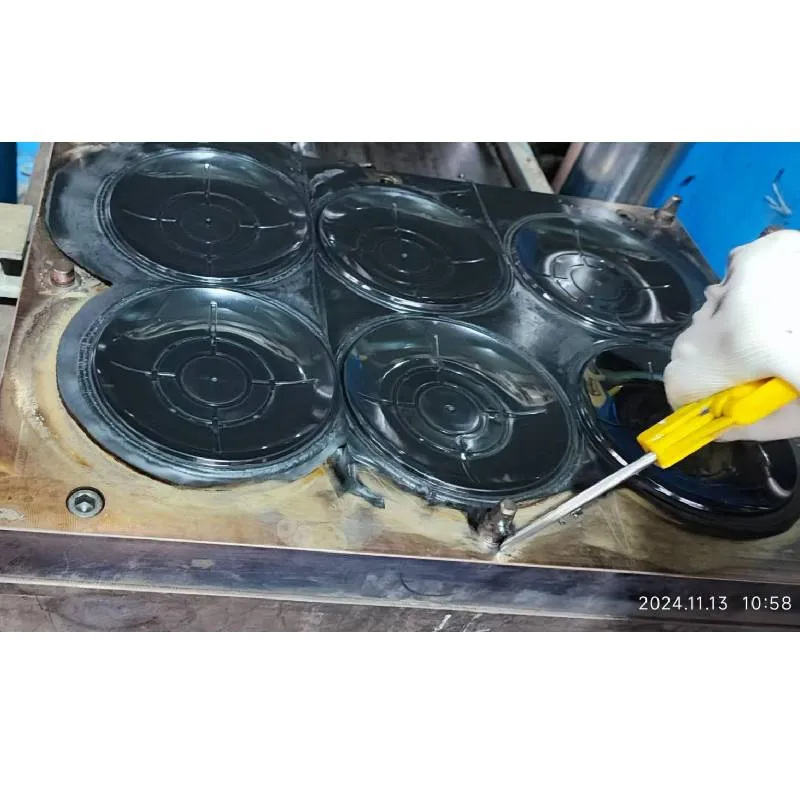
PVC fittings are predominantly manufactured from Polyvinyl Chloride, a thermoplastic polymer. The raw material’s properties – including molecular weight, K-value (indicating molecular chain length), and chlorine content – significantly influence the final product’s performance. Additives such as stabilizers (typically lead-based, calcium-zinc based, or organotin compounds), lubricants, and impact modifiers are incorporated during the compounding process. The most common manufacturing process is injection molding, requiring precise control of melt temperature (180-220°C), mold temperature (30-50°C), and injection pressure (50-150 MPa). Critical parameters include cooling rate, which affects crystallinity and dimensional stability, and gate location, impacting material flow and weld line formation. Post-molding, fittings undergo trimming, deburring, and quality inspection. Chemical compatibility is dictated by the PVC formulation; certain solvents and aggressive chemicals can cause swelling, softening, or degradation. Understanding the glass transition temperature (Tg ≈ 80°C) and the heat deflection temperature (HDT, typically >70°C) is crucial for assessing high-temperature performance. Material grades are often categorized by Schedule number (e.g., Schedule 40, Schedule 80), directly correlating to wall thickness and pressure capacity.
Performance & Engineering
Performance of PVC fittings is critically dependent on their ability to withstand internal and external pressures, resisting deformation and failure. Force analysis considers hoop stress, longitudinal stress, and bending moments, particularly at connection points. Fittings must meet specific pressure ratings, determined through hydrostatic testing (ASTM D1598). Environmental resistance is a key concern; prolonged UV exposure causes embrittlement and discoloration, necessitating the incorporation of UV stabilizers. Temperature fluctuations induce expansion and contraction, requiring consideration during system design to prevent stress cracking. Compliance requirements vary by region and application. For potable water systems, fittings must meet NSF/ANSI Standard 61 for lead content and extractables. For pressure piping, standards like ASTM D2466 and ASTM D2467 dictate material requirements and testing procedures. Engineering considerations include the selection of appropriate jointing methods – solvent cementing (most common), threading, or mechanical joining – each with its own specific installation protocols and performance characteristics. Socket welds require proper surface preparation and adhesive application to ensure a hermetic seal. Threaded connections rely on proper taping and tightening torque to prevent leaks. Finite element analysis (FEA) is often employed to optimize fitting geometry and predict stress distribution under various loading conditions.
Technical Specifications
| Parameter | Schedule 40 PVC | Schedule 80 PVC | CPVC (Chlorinated PVC) |
|---|---|---|---|
| Material | PVC | PVC | CPVC |
| Pressure Rating (psi @ 73°F) | 400 | 600 | 400-1000 |
| Temperature Rating (°F) | 0-140 | 0-140 | -60 to 180 |
| Tensile Strength (psi) | 6,000 | 6,000 | 7,500 |
| Flexural Modulus (psi) | 300,000 | 300,000 | 350,000 |
| Impact Strength (Izod Notched, ft-lb/in) | 1.0 | 1.0 | 1.5 |
Failure Mode & Maintenance
PVC fittings are susceptible to several failure modes. Stress cracking, induced by sustained tensile stress in conjunction with aggressive chemicals or high temperatures, is a common issue. Fatigue cracking can occur under cyclical loading, especially in threaded connections. UV degradation causes embrittlement and loss of impact resistance. Chemical attack from incompatible solvents leads to swelling, softening, and eventual failure. Delamination can occur in fittings with insufficient material bonding during manufacturing. Hydrostatic failure results from exceeding the pressure rating. Maintenance involves regular visual inspections for cracks, discoloration, or deformation. Properly torqued threaded connections are essential. Avoiding the use of incompatible solvents is critical. UV protection can be achieved through painting or the use of UV-resistant covers. If cracks are detected, the fitting should be immediately replaced. For solvent-cemented joints, a preventive maintenance schedule includes checking for leaks and ensuring adequate solvent cement application during initial installation. Periodic pressure testing can identify potential weaknesses before catastrophic failure occurs. Preventative measures also include proper storage of fittings, protecting them from direct sunlight and extreme temperatures.
Industry FAQ
Q: What is the difference between Schedule 40 and Schedule 80 PVC fittings, and when should each be used?
A: Schedule 80 PVC fittings have thicker walls than Schedule 40 fittings, resulting in a higher pressure rating and greater physical strength. Schedule 40 is suitable for general-purpose applications like irrigation and low-pressure water distribution. Schedule 80 is preferred for high-pressure systems, industrial applications, and situations where increased durability is required. The selection depends on the operating pressure, temperature, and fluid being conveyed.
Q: How do I properly solvent cement a PVC fitting? What are common mistakes to avoid?
A: Proper solvent cementing involves cleaning and drying both the pipe and fitting surfaces, applying primer to soften the PVC, then applying solvent cement evenly around the socket. Immediately insert the pipe into the fitting with a slight twisting motion. Avoid using excessive cement, which can create a weak joint. Do not work in humid conditions, as moisture interferes with the bonding process. Insufficient cement or improper alignment will lead to leaks.
Q: Can PVC fittings be used with hot water? What are the limitations?
A: Standard PVC fittings have a temperature rating of 140°F. Using them with higher temperatures will lead to softening and potential failure. For hot water applications, CPVC (Chlorinated PVC) fittings are required, offering a temperature rating up to 180°F or higher. Even with CPVC, exceeding the specified temperature limits can compromise the integrity of the system.
Q: What causes stress cracking in PVC fittings, and how can it be prevented?
A: Stress cracking is caused by a combination of sustained tensile stress, aggressive chemicals, and elevated temperatures. Prevention involves selecting fittings compatible with the conveyed fluid, minimizing mechanical stress during installation (avoid over-tightening), and avoiding exposure to extreme temperatures. Using fittings with higher chemical resistance can also mitigate the risk.
Q: How important is UV protection for outdoor PVC piping systems?
A: UV protection is crucial for outdoor PVC piping. Prolonged exposure to ultraviolet radiation causes embrittlement, discoloration, and a reduction in impact resistance. Using UV-stabilized PVC formulations, painting the piping, or using protective coverings are effective methods to mitigate UV degradation and extend the lifespan of the system.
Conclusion
PVC pipe connection fittings represent a cost-effective and versatile solution for fluid conveyance across a wide range of applications. However, optimal performance and longevity hinge upon a comprehensive understanding of material properties, manufacturing processes, and potential failure modes. Proper material selection—considering factors such as pressure, temperature, and chemical compatibility—is paramount. Careful adherence to installation best practices, including appropriate solvent cementing techniques and UV protection measures, is essential for maximizing system reliability and minimizing the risk of premature failure.
Future developments in PVC fitting technology will likely focus on enhancing chemical resistance, improving UV stability, and exploring more sustainable material formulations. Advancements in injection molding techniques may also lead to improved dimensional accuracy and reduced manufacturing defects. Continued research and development in these areas will further solidify the position of PVC fittings as a cornerstone of modern piping systems.