
Introduction
Plastic polishing wheels are abrasive tools utilized for surface finishing operations across a diverse range of manufacturing sectors, including automotive, aerospace, medical device fabrication, and plastics processing. Positioned downstream in the manufacturing chain after primary shaping processes (molding, machining, casting), these wheels refine surface texture, remove imperfections, and prepare surfaces for subsequent treatments like coating or painting. Core performance metrics include material removal rate, surface finish quality (Ra value), thermal impact on the workpiece, and operational lifespan. The critical pain point within industry centers on balancing aggressive material removal with minimizing surface damage, achieving consistent results across production runs, and addressing safety concerns related to abrasive dust and wheel integrity. Effective wheel selection and application necessitate a thorough understanding of polymer chemistry, abrasive grain characteristics, and process parameter optimization.
Material Science & Manufacturing
The construction of plastic polishing wheels typically involves a polymeric matrix, reinforcing fibers, and abrasive grains. Common polymer matrices include phenolic resins, polyurethanes, and epoxy resins, selected for their mechanical strength, thermal stability, and bonding properties. Phenolic resins offer high rigidity and heat resistance, ideal for aggressive cutting applications. Polyurethanes provide flexibility and cushioning, suitable for delicate polishing. Epoxy resins balance strength and adhesion. Reinforcing fibers, such as fiberglass or nylon, enhance tensile strength and prevent wheel distortion during operation. Abrasive grains are generally aluminum oxide, silicon carbide, or ceramic aluminum oxide, differentiated by their hardness, friability, and cutting action. Silicon carbide is harder and more brittle, delivering a faster cut but potentially leaving coarser scratches. Aluminum oxide is more durable and produces a finer finish.
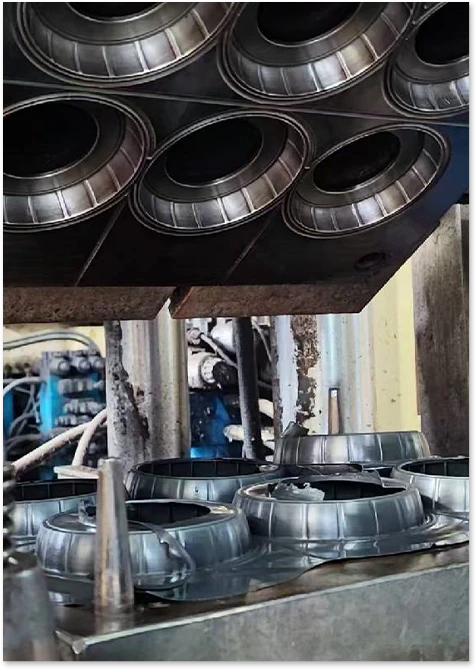
Manufacturing typically follows a multi-stage process. First, the polymer matrix is prepared and combined with reinforcing fibers. This mixture is then molded into the desired wheel shape using compression molding or rotational molding techniques. Precise control of molding temperature and pressure is crucial to ensure uniform density and structural integrity. Following molding, abrasive grains are embedded within the polymer matrix through a process called impregnation. Vacuum impregnation is preferred to eliminate air pockets and maximize abrasive density. The wheel is subsequently cured to harden the polymer and lock the abrasive grains in place. Critical parameters during curing include temperature ramp rates, dwell time, and cooling rates, all impacting the final mechanical properties and abrasive retention. Post-curing, wheels undergo quality control inspection, including dimensional checks, hardness testing, and abrasive grain distribution analysis.
Performance & Engineering
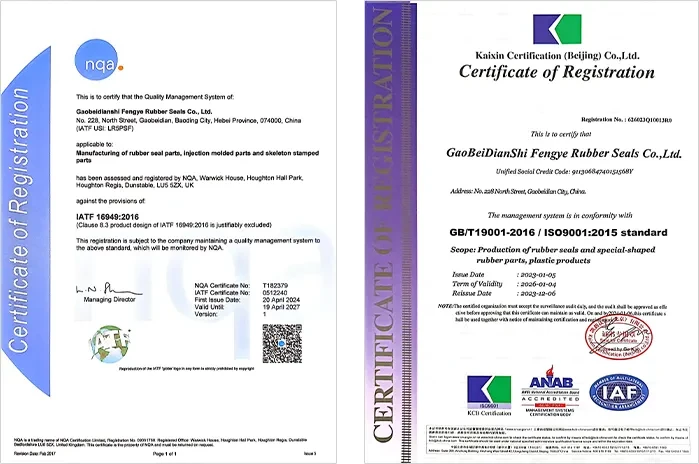
The performance of a plastic polishing wheel is governed by several key engineering principles. Force analysis considers radial and axial forces exerted during operation. Excessive radial force can lead to wheel deflection and uneven polishing. Axial force is crucial for maintaining consistent contact pressure and material removal rate. Environmental resistance is also critical; exposure to solvents, oils, and UV radiation can degrade the polymer matrix, reducing wheel lifespan and performance. Compliance requirements, dictated by industry standards (see footer), often specify permissible levels of volatile organic compounds (VOCs) emitted during operation and restrict the use of certain hazardous materials.
Functional implementation necessitates careful selection of wheel hardness, abrasive grit size, and operating speed. Harder wheels are suitable for aggressive material removal, while softer wheels produce finer finishes. Grit size determines the cutting action and surface roughness. Higher grit numbers indicate finer abrasives and smoother finishes. Operating speed influences material removal rate and heat generation. Excessive speed can cause overheating and polymer degradation. Furthermore, the wheel's dynamic balance is paramount to prevent vibration and ensure operator safety. Imbalance can lead to premature wear, reduced surface quality, and potential wheel failure. Proper mounting and alignment are essential for optimal performance and longevity.
Technical Specifications
| Wheel Diameter (inches) | Abrasive Grain Type | Abrasive Grit Size (µm) | Maximum Operating Speed (RPM) |
|---|---|---|---|
| 4 | Aluminum Oxide | 80 | 3000 |
| 6 | Silicon Carbide | 120 | 2500 |
| 8 | Ceramic Aluminum Oxide | 400 | 2000 |
| 12 | Aluminum Oxide | 60 | 1500 |
| 16 | Silicon Carbide | 220 | 1200 |
| 18 | Ceramic Aluminum Oxide | 800 | 1000 |
Failure Mode & Maintenance
Plastic polishing wheels are susceptible to several failure modes. Fatigue cracking, initiated by cyclic stress during operation, can lead to catastrophic wheel disintegration. Delamination, the separation of abrasive grains from the polymer matrix, reduces cutting efficiency and surface finish quality. Degradation of the polymer matrix due to thermal stress, chemical exposure, or UV radiation weakens the wheel structure. Oxidation of reinforcing fibers compromises their strength and contributes to wheel instability. Common causes include exceeding the maximum operating speed, using improper mounting techniques, exposing the wheel to incompatible chemicals, and operating in excessively dusty or humid environments.
Preventative maintenance is crucial to prolong wheel lifespan and ensure safe operation. Regular inspection for cracks, delamination, and abrasive grain loss is essential. Wheels should be cleaned periodically with compressed air to remove abrasive dust and debris. Avoid using solvents that can degrade the polymer matrix. Store wheels in a cool, dry environment away from direct sunlight and chemical fumes. Replace wheels exhibiting significant wear or damage immediately. Implement a wheel rotation schedule to distribute wear evenly and maximize utilization. Adhere strictly to the manufacturer's recommended operating parameters and safety guidelines. Record keeping of wheel usage and maintenance activities aids in identifying potential problems and optimizing performance.
Industry FAQ
Q: What is the primary difference between aluminum oxide and silicon carbide abrasive grains in plastic polishing wheels, and how does this affect application suitability?
A: Aluminum oxide is a harder, more durable abrasive, offering a longer lifespan and producing a finer, more consistent finish. It’s ideal for applications requiring moderate material removal and high surface quality, like polishing automotive clear coats or acrylic plastics. Silicon carbide, being more brittle and harder, cuts faster but wears more quickly, leaving potentially coarser scratches. It’s better suited for aggressive material removal on harder materials like metals or for initial cutting stages on plastics.
Q: How does the polymer matrix composition influence the thermal stability of a plastic polishing wheel during high-speed operation?
A: The polymer matrix significantly impacts thermal stability. Phenolic resins exhibit the highest heat resistance, allowing for operation at higher speeds and prolonged use without significant degradation. Polyurethanes, while providing flexibility, have lower heat resistance and are more prone to softening or melting at elevated temperatures. Epoxy resins offer a balance, but may still require careful temperature monitoring. The glass transition temperature (Tg) of the polymer is a key indicator of its thermal stability.
Q: What are the critical considerations regarding wheel balancing, and what are the potential consequences of operating an imbalanced wheel?
A: Wheel balancing ensures uniform mass distribution, minimizing vibration during rotation. An imbalanced wheel can cause excessive vibration, leading to premature wear of the wheel and workpiece, reduced surface finish quality, and potential damage to the polishing equipment. More critically, severe imbalance can cause the wheel to shatter, posing a significant safety hazard to operators. Balancing is typically performed using dynamic balancing equipment.
Q: How do different abrasive grit sizes affect the surface roughness (Ra) of the polished workpiece, and how is grit size selected for specific applications?
A: Surface roughness (Ra) is inversely proportional to grit size; smaller grit numbers result in coarser finishes with higher Ra values, while larger grit numbers produce finer finishes with lower Ra values. Grit size selection depends on the material being polished and the desired surface finish. Initial polishing stages typically utilize coarser grits for rapid material removal, followed by progressively finer grits for achieving the desired smoothness and gloss. Target Ra values dictate the final grit size selection.
Q: What safety precautions should be taken when operating plastic polishing wheels, and what personal protective equipment (PPE) is recommended?
A: Key safety precautions include ensuring the wheel is properly mounted and guarded, operating within the manufacturer's specified speed limits, and avoiding excessive pressure. Recommended PPE includes safety glasses or a face shield to protect against flying debris, a dust mask or respirator to prevent inhalation of abrasive particles, and gloves to protect hands from abrasion. Ear protection is also advisable due to the noise generated during operation. Regular inspection of the wheel for damage is crucial.
Conclusion
Plastic polishing wheels represent a critical component in numerous manufacturing processes, demanding a nuanced understanding of material science, engineering principles, and operational best practices. Effective wheel selection hinges on meticulously aligning the polymer matrix, abrasive grain type, and grit size with the specific workpiece material, desired surface finish, and process parameters. Maintaining optimal wheel performance requires consistent preventative maintenance, adherence to safety protocols, and proactive monitoring for potential failure modes.
Future trends in this field will likely focus on the development of advanced polymer matrices with enhanced thermal stability and chemical resistance, the integration of smart sensors for real-time monitoring of wheel wear and performance, and the exploration of environmentally friendly abrasive materials. Optimizing polishing processes through automation and data analytics will also play a significant role in enhancing efficiency and reducing production costs.