
Introduction
Plastic part manufacturing encompasses a diverse range of processes used to convert raw plastic materials into functional components across numerous industries, including automotive, aerospace, medical devices, and consumer goods. Positioned as a critical link between polymer science and end-use applications, plastic part fabrication relies heavily on understanding material properties, processing parameters, and design constraints. The core performance characteristics – mechanical strength, thermal stability, chemical resistance, and dimensional accuracy – dictate the suitability of a specific plastic part for its intended function. This guide provides a comprehensive overview of the entire process, from material selection and manufacturing techniques to performance analysis, failure modes, and relevant industry standards. The increasing demand for lightweight, cost-effective, and complex geometries fuels ongoing advancements in plastic part manufacturing technologies, driving a constant need for detailed technical understanding.
Material Science & Manufacturing
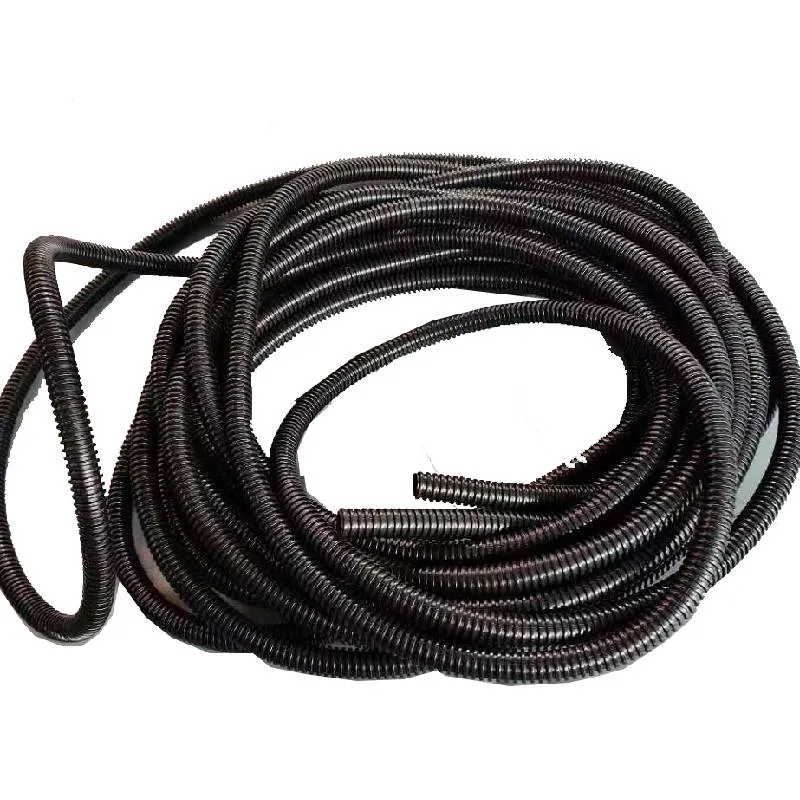
The foundation of plastic part manufacturing rests upon a broad spectrum of thermoplastic and thermosetting polymers. Common thermoplastics include Polypropylene (PP), Polyethylene (PE), Polyvinyl Chloride (PVC), Acrylonitrile Butadiene Styrene (ABS), and Polycarbonate (PC). Thermosets, such as epoxy resins and phenolic resins, offer superior strength and heat resistance but are irreversibly cured. Raw material selection is dictated by the desired mechanical properties, chemical compatibility, and processing requirements. For example, PP offers excellent chemical resistance but lower tensile strength compared to PC. Manufacturing processes are equally diverse. Injection molding, a dominant technique, involves injecting molten plastic into a closed mold cavity. Key parameters include melt temperature, injection pressure, cooling rate, and mold temperature – deviations from optimal settings can lead to warping, sink marks, or incomplete filling. Extrusion creates continuous profiles, used for pipes, tubes, and films. Thermoforming heats a plastic sheet and forms it over a mold, commonly used for packaging and large parts. Rotational molding is ideal for hollow, large-volume parts. Each process influences the final part’s properties; for instance, injection molding can induce molecular orientation, enhancing strength in the flow direction. Material drying is crucial, as moisture content can cause defects like surface blemishes and reduced mechanical properties. Additives, such as glass fibers, carbon fibers, and flame retardants, are often incorporated to tailor material properties to specific application needs. Proper mixing and homogenization of these additives are critical for consistent performance.
Performance & Engineering
Plastic part performance is assessed through rigorous engineering analysis. Finite Element Analysis (FEA) is frequently employed to simulate stress distribution under load, predict deformation, and identify potential failure points. Factors considered include tensile strength, yield strength, modulus of elasticity, and impact resistance – these properties are often determined via standardized tests (ASTM D638, ASTM D256). Environmental resistance is another critical aspect. Exposure to UV radiation, temperature fluctuations, and chemical environments can degrade plastic materials over time. UV stabilizers and antioxidants are often added to mitigate these effects. Compliance requirements vary by industry. In the automotive sector, parts must meet stringent flammability standards (FMVSS 302). Medical devices require biocompatibility testing (ISO 10993). Electrical components must adhere to UL safety standards. Dimensional accuracy is paramount, particularly for precision parts. Factors influencing dimensional stability include shrinkage rate during cooling, mold accuracy, and thermal expansion coefficient. Design for Manufacturability (DFM) principles are essential to optimize part geometry for efficient production and minimize potential defects. Considerations include draft angles, wall thickness variations, and rib placement to prevent warping and ensure consistent filling. Creep, the tendency of a solid material to deform permanently under sustained stress, must be considered for long-term applications, especially at elevated temperatures. Fatigue resistance, the ability to withstand cyclic loading, is crucial for parts subjected to repeated stress.
Technical Specifications
| Material | Tensile Strength (MPa) | Impact Strength (Izod Notched, J/m) | Heat Deflection Temperature (°C) |
|---|---|---|---|
| Polypropylene (PP) | 20-40 | 200-500 | 60-100 |
| Polyethylene (PE) | 10-30 | 150-400 | 50-80 |
| Acrylonitrile Butadiene Styrene (ABS) | 30-60 | 300-700 | 85-105 |
| Polycarbonate (PC) | 55-75 | 600-1000 | 130-150 |
| Polyamide 6 (Nylon 6) | 60-90 | 400-800 | 80-120 |
| Polyvinyl Chloride (PVC) | 50-70 | 300-600 | 70-90 |
Failure Mode & Maintenance
Plastic parts are susceptible to various failure modes. Fatigue cracking, induced by cyclic loading, can initiate at stress concentrations such as corners or sharp edges. Environmental Stress Cracking (ESC) occurs when plastic is exposed to both tensile stress and a corrosive environment. UV degradation causes embrittlement and discoloration due to chain scission. Oxidation leads to chain breakdown, reducing mechanical properties. Impact failure can result in brittle fracture, particularly at low temperatures. Warping and distortion can occur due to uneven cooling during molding or thermal expansion mismatches. Delamination, a separation of layers in composite materials, weakens the part’s structural integrity. Maintenance strategies focus on preventative measures and timely repairs. Regular inspection for cracks, discoloration, or deformation is crucial. Protective coatings can mitigate UV degradation and chemical attack. For minor damage, plastic welding or adhesive bonding can provide effective repairs. Lubrication of moving parts reduces friction and wear. Proper storage conditions – away from direct sunlight and extreme temperatures – prolong the service life of plastic components. Root cause analysis of failures is essential to identify and address underlying issues in material selection, processing parameters, or design. Implementing robust quality control procedures throughout the manufacturing process minimizes the risk of defects and ensures consistent performance.
Industry FAQ
Q: What are the key considerations when selecting a plastic material for a high-stress application?
A: For high-stress applications, prioritize materials with high tensile strength, yield strength, and impact resistance. Consider reinforced plastics, such as glass-filled nylon or carbon fiber reinforced polymers, to further enhance mechanical properties. FEA simulations are critical to validate material selection and optimize part geometry to minimize stress concentrations.
Q: How can I minimize warping in injection-molded parts?
A: Minimize warping by optimizing mold design, ensuring uniform cooling rates, and using appropriate gate locations. Properly venting the mold is also crucial to prevent air entrapment. Material selection is also important; materials with lower shrinkage rates are less prone to warping. Consider adding ribs to the design to increase stiffness and reduce deformation.
Q: What is the impact of moisture absorption on plastic part performance?
A: Moisture absorption can significantly reduce mechanical properties, particularly in hygroscopic polymers like nylon. Moisture can cause dimensional changes, leading to warping or cracking. Proper drying of the plastic pellets before molding is essential. Consider using materials with low moisture absorption rates or incorporating desiccants into the packaging.
Q: How do I ensure the chemical resistance of a plastic part in a corrosive environment?
A: Select a plastic material known to be resistant to the specific chemicals it will be exposed to. Consider chemical compatibility charts and conduct immersion testing to verify resistance. Protective coatings can provide an additional barrier against corrosion. Avoid using plastics susceptible to swelling or degradation in the presence of the chemical environment.
Q: What are the typical failure modes observed in thermoformed plastic parts?
A: Common failure modes in thermoformed parts include cracking due to stress concentrations, tearing during handling, and dimensional instability from uneven cooling. Proper mold design, material selection, and heating control are critical to minimize these issues. Avoid sharp corners and ensure sufficient material thickness in areas prone to stress.
Conclusion
The successful manufacturing of plastic parts hinges on a comprehensive understanding of material science, processing techniques, and engineering principles. Optimal material selection, careful control of manufacturing parameters, and rigorous performance testing are essential to ensure that plastic components meet the required specifications and withstand their intended operating conditions. Addressing potential failure modes proactively through design optimization, protective measures, and regular maintenance prolongs part life and minimizes downtime.
Future advancements in plastic part manufacturing will likely focus on sustainable materials, additive manufacturing (3D printing), and intelligent process control. The integration of artificial intelligence and machine learning will enable real-time monitoring and optimization of molding processes, leading to improved quality and reduced waste. Further research into novel polymer blends and composite materials will unlock new performance capabilities for plastic components, expanding their applications in increasingly demanding environments.