

Introduction
Plastic hose pipe fittings represent a critical component in fluid transfer systems across a broad range of industries, including agriculture, construction, automotive, and industrial processing. These fittings, typically constructed from thermoplastic polymers, serve as connectors, adapters, and terminators for flexible hoses, enabling the reliable conveyance of liquids, gases, and granular materials. Their prevalence stems from a confluence of factors: corrosion resistance compared to metallic alternatives, lightweight characteristics facilitating ease of installation, and cost-effectiveness achieved through high-volume manufacturing. The selection of appropriate fittings is predicated on a thorough understanding of operating pressures, fluid compatibility, temperature ranges, and relevant industry standards. Performance is often evaluated through parameters like pressure rating, tensile strength, and resistance to chemical degradation. This guide provides a detailed examination of the material science, manufacturing processes, performance characteristics, failure modes, and maintenance protocols associated with plastic hose pipe fittings.
Material Science & Manufacturing
The core materials used in plastic hose pipe fitting manufacturing are dominated by several thermoplastic polymers, each offering a unique profile of properties. Polypropylene (PP) is widely employed due to its low cost, chemical resistance, and acceptable mechanical strength. Polyvinyl Chloride (PVC), both rigid and flexible grades, provides excellent resistance to a wide range of chemicals and is frequently used in irrigation and drainage applications. Polyethylene (PE), particularly High-Density Polyethylene (HDPE) and Low-Density Polyethylene (LDPE), is valued for its flexibility and impact resistance. More specialized polymers like Polyamide (Nylon) offer superior strength and temperature resistance but come at a higher cost. Acrylonitrile Butadiene Styrene (ABS) provides a balance of impact resistance, rigidity, and processability.
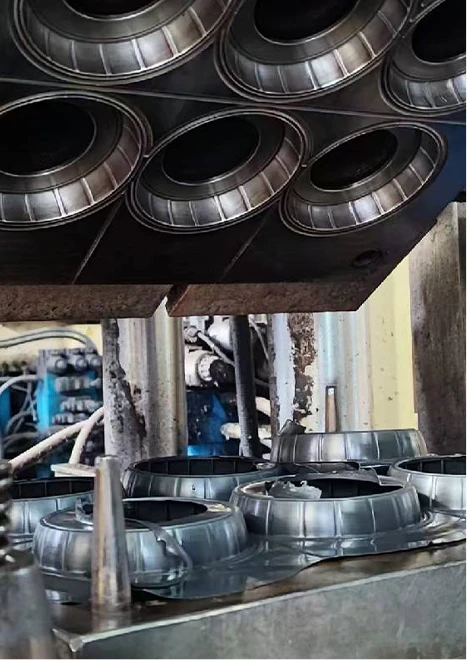
Manufacturing processes vary depending on the fitting's design and material. Injection molding is the most common method for producing complex fitting shapes with high precision and repeatability. The process involves melting plastic pellets and injecting them under high pressure into a closed mold cavity. Precise temperature control and cooling rates are critical to prevent warping and ensure dimensional accuracy. Extrusion is used for producing threaded fittings or components requiring a consistent cross-section. Thermoforming is employed for larger, simpler fittings, involving heating a plastic sheet and forming it over a mold. Post-molding operations often include deburring, threading (if applicable), and surface treatment to enhance aesthetic appeal or improve sealing performance. Parameter control during manufacturing is paramount; mold temperature, injection pressure, cooling time, and material melt flow index all directly impact the final product’s mechanical properties and long-term durability. Material consistency, verified through rigorous quality control measures like melt flow testing and tensile strength analysis, is essential for consistent performance.
Performance & Engineering
The performance of plastic hose pipe fittings is fundamentally governed by their ability to withstand internal pressure, external loads, and environmental stressors. Force analysis focuses on hoop stress within the fitting body, particularly at threaded connections and areas of geometric discontinuity. Finite Element Analysis (FEA) is frequently used during the design phase to simulate stress distributions under various loading conditions, optimizing geometry to minimize stress concentrations. Environmental resistance is a crucial consideration; prolonged exposure to UV radiation can cause polymer degradation, leading to embrittlement and cracking. Chemical compatibility dictates the fitting’s suitability for specific fluids. For instance, certain plastics are susceptible to swelling or dissolution when exposed to aromatic hydrocarbons or strong acids. Temperature extremes also influence performance; elevated temperatures can reduce the material's strength and creep resistance, while low temperatures can induce brittleness.
Compliance requirements are stringent, particularly in industries subject to strict regulations. Fittings used in potable water systems must comply with NSF/ANSI 61 standards to ensure they do not leach harmful contaminants into the water. Fittings intended for use with pressurized gases must meet relevant pressure vessel codes (e.g., ASME B31.3 in the US). The design must incorporate appropriate safety factors to account for variations in manufacturing tolerances and operating conditions. Leak testing, employing techniques such as hydrostatic pressure testing and air pressure decay testing, is critical to verify the integrity of the sealing surfaces. The selection of appropriate sealing materials (e.g., O-rings, gaskets) is equally important, ensuring compatibility with the conveyed fluid and operating temperature.
Technical Specifications
| Material | Pressure Rating (PSI) @ 23°C | Temperature Range (°C) | Tensile Strength (MPa) | Chemical Resistance | Connection Type |
|---|---|---|---|---|---|
| Polypropylene (PP) | 200 | -20 to 80 | 20-35 | Good to many acids & bases, poor to chlorinated solvents | Threaded, Barb, Slip |
| PVC (Rigid) | 400 | -10 to 60 | 50-70 | Excellent to most acids, bases, and aliphatic hydrocarbons | Threaded, Socket Weld, Slip |
| HDPE | 150 | -40 to 60 | 15-25 | Excellent to most chemicals, good impact resistance | Butt Fusion, Compression, Barb |
| Nylon 6/6 | 500 | -40 to 85 | 70-90 | Good to hydrocarbons, oils, and greases | Threaded, Barb, Quick Connect |
| ABS | 100 | -20 to 70 | 30-45 | Moderate to many chemicals | Threaded, Cemented, Barb |
| PVC (Flexible) | 100 | -10 to 60 | 30-50 | Similar to rigid PVC but with increased flexibility | Barb, Hose Connection |
Failure Mode & Maintenance
Plastic hose pipe fittings are susceptible to several failure modes in practical applications. Fatigue cracking, particularly at threaded connections subjected to cyclic loading, is a common issue. This is exacerbated by improper installation or over-tightening. Chemical attack can lead to material degradation, resulting in swelling, embrittlement, or cracking, especially when incompatible fluids are used. UV degradation causes loss of mechanical properties, leading to brittleness and cracking upon exposure to sunlight. Creep, the time-dependent deformation under sustained load, can occur at elevated temperatures, leading to leaks or connection failures. Impact damage, resulting from accidental strikes or drops, can cause cracking or complete fracture. Delamination can occur in multi-layer fittings if the bonding between layers is compromised. Oxidation can occur over prolonged exposure to high temperatures, reducing the strength and integrity of the polymer.
Preventive maintenance is crucial to extending the service life of plastic hose pipe fittings. Regular visual inspections should be conducted to identify signs of cracking, swelling, or discoloration. Periodic torque checks on threaded connections ensure proper clamping force without over-tightening. Fittings exposed to UV radiation should be shielded or made from UV-stabilized materials. A documented maintenance schedule should be implemented, including periodic replacement of fittings based on their operating conditions and exposure to corrosive environments. Proper storage of fittings is essential; they should be kept in a cool, dry place away from direct sunlight. When replacing fittings, ensure compatibility with the conveyed fluid and operating temperature, and follow manufacturer’s installation guidelines. Utilizing appropriate lubrication during installation (where applicable) can reduce stress on the threads and prevent galling. For critical applications, consider implementing a non-destructive testing (NDT) program, such as ultrasonic testing, to detect internal flaws before they lead to catastrophic failure.
Industry FAQ
Q: What factors should be considered when selecting a plastic fitting for a high-pressure application?
A: Pressure rating is the primary consideration, ensuring the fitting’s maximum working pressure exceeds the system's operating pressure with an adequate safety factor. Material selection is also crucial; Nylon 6/6 and certain reinforced PVC formulations offer higher pressure resistance than polypropylene or standard PVC. Thread engagement length, thread sealant compatibility, and proper installation torque are also essential for maintaining a reliable seal and preventing failures.
Q: How does UV exposure affect the performance of plastic fittings?
A: UV radiation breaks down the polymer chains, causing embrittlement, discoloration, and a reduction in tensile strength and impact resistance. This leads to cracking and eventual failure. Using UV-stabilized materials, applying protective coatings, or shielding the fittings from direct sunlight can mitigate these effects.
Q: What is the best way to prevent leaks at threaded connections?
A: Proper thread preparation is paramount. Clean the threads thoroughly and apply a thread sealant compatible with the plastic material and conveyed fluid. Avoid over-tightening, as this can strip the threads or distort the fitting. Use a torque wrench to ensure consistent tightening to the manufacturer’s recommended torque specification.
Q: Can plastic fittings be used with flammable fluids?
A: The use of plastic fittings with flammable fluids requires careful consideration. Static electricity can build up in non-conductive plastics, potentially igniting flammable vapors. Utilizing fittings with conductive additives or grounding the system can mitigate this risk. Additionally, ensure the plastic material is compatible with the specific flammable fluid and meets relevant safety standards.
Q: What is the significance of NSF/ANSI 61 certification for fittings used in potable water systems?
A: NSF/ANSI 61 certification verifies that the fitting materials do not leach harmful contaminants into the potable water supply. This is essential for ensuring public health and safety. Fittings intended for use in potable water systems should always be certified to this standard.
Conclusion
Plastic hose pipe fittings offer a versatile and cost-effective solution for fluid transfer applications across numerous industries. Their performance, however, is intricately linked to material selection, manufacturing precision, and adherence to established engineering principles. A comprehensive understanding of the material properties, potential failure modes, and relevant industry standards is paramount for ensuring long-term reliability and safety.
Looking ahead, advancements in polymer technology, such as the development of high-performance composites and bio-based plastics, will likely lead to even more durable and sustainable fitting solutions. Increased emphasis on data-driven maintenance practices, leveraging sensor technology and predictive analytics, will further optimize fitting lifespan and minimize downtime. Careful consideration of these evolving trends will be crucial for maintaining a competitive edge in the fluid transfer market.