
Introduction
Plastic gear wheels represent a significant segment within the broader power transmission industry, serving as critical components in a diverse range of applications from consumer electronics and automotive systems to industrial machinery and robotics. Unlike metal gears, plastic gears offer advantages in noise reduction, weight minimization, corrosion resistance, and cost-effectiveness. Their technical position in the industry chain falls between polymer resin suppliers, gear manufacturing facilities (injection molding, machining), and the final assembly of end-use products. Core performance characteristics are defined by parameters such as torque capacity, rotational speed, wear resistance, precision (involute profile accuracy), and dimensional stability under varying environmental conditions. The increasing demand for lightweight, low-cost, and quiet gear solutions is driving continued innovation in plastic gear materials and manufacturing processes, addressing the historical limitations of strength and temperature resistance.
Material Science & Manufacturing
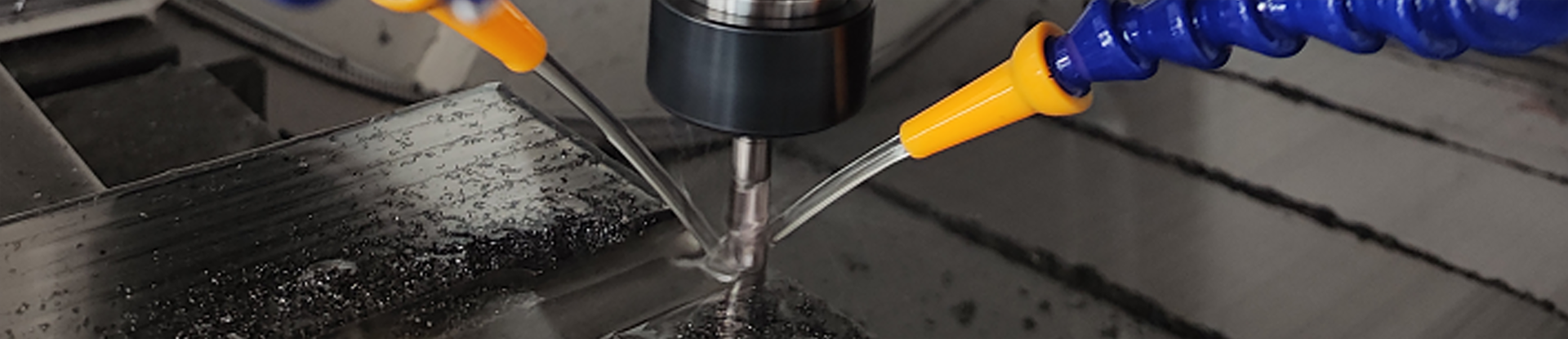
The selection of polymer material is paramount in plastic gear wheel design. Common materials include Acrylonitrile Butadiene Styrene (ABS), Polycarbonate (PC), Polyamide (Nylon – PA6, PA66), Polyoxymethylene (POM, also known as Acetal), and Polypropylene (PP). ABS offers a balance of cost, impact resistance, and machinability but exhibits limited temperature resistance. PC provides high strength and temperature resistance, crucial for demanding applications. Nylons demonstrate excellent wear resistance and are often reinforced with glass fibers or molybdenum disulfide to enhance performance. POM excels in dimensional stability, low friction, and resistance to solvents, making it suitable for precision gears. PP is frequently used for lighter-duty applications due to its low cost and good chemical resistance. Manufacturing predominantly utilizes injection molding, a process where molten plastic is forced into a gear-shaped cavity. Key parameters in injection molding include melt temperature, mold temperature, injection pressure, cooling rate, and cycle time. Improper control of these parameters can lead to defects such as warping, sink marks, and incomplete filling. Post-processing operations may include deburring, surface finishing (polishing), and potentially heat treatment to relieve internal stresses. For high-precision gears, machining from solid stock (CNC milling or turning) is employed, offering tighter tolerances but at a higher cost. Gear tooth geometry is critical; involute profiles are universally adopted for smooth meshing and constant velocity ratios. Mold design and tooling accuracy are direct determinants of final gear performance.
Performance & Engineering
Performance analysis of plastic gear wheels centers on stress analysis, wear prediction, and fatigue life estimation. Finite Element Analysis (FEA) is routinely used to model stress distribution under load, identifying potential failure points and optimizing gear tooth geometry. Bending stress at the root of the gear tooth is a primary concern. Wear resistance is dependent on the material's hardness, coefficient of friction, and the presence of lubricants. Lubrication reduces friction and heat buildup, extending gear life. Common lubricants include silicone-based greases and dry-film lubricants (e.g., PTFE). Environmental resistance is also critical. Prolonged exposure to UV radiation, temperature extremes, and corrosive chemicals can degrade plastic materials, leading to reduced mechanical properties. Design considerations include pressure angle (typically 20° or 25°), helix angle (for helical gears to reduce noise), module (tooth size), and face width. Compliance requirements often dictate material selection and performance standards. For example, automotive gears must meet stringent standards for durability and safety. Backlash, the play between mating gear teeth, must be minimized to ensure precise positioning and reduce noise. The material’s creep resistance is vital for maintaining dimensional stability under sustained loads, particularly at elevated temperatures. Load capacity is directly proportional to the material’s tensile strength and the gear’s dimensions.
Technical Specifications
| Material | Tensile Strength (MPa) | Flexural Modulus (GPa) | Maximum Operating Temperature (°C) |
|---|---|---|---|
| ABS | 40-50 | 2.0-3.0 | 80-100 |
| Polycarbonate (PC) | 60-75 | 2.4-2.6 | 120-140 |
| Nylon 66 | 80-100 | 2.5-3.5 | 80-120 |
| POM (Acetal) | 70-85 | 3.0-3.5 | 80-100 |
| Polypropylene (PP) | 20-30 | 1.0-1.5 | 60-80 |
| Glass-Filled Nylon 66 | 120-150 | 3.5-4.5 | 100-140 |
Failure Mode & Maintenance
Plastic gear wheels are susceptible to several failure modes. Fatigue cracking, initiated by repeated stress cycles, is a common issue, particularly in gears subjected to high loads. Wear, resulting from frictional contact, leads to gradual material loss and changes in gear tooth profile. Abrasive wear occurs due to hard particles between mating surfaces, while adhesive wear stems from direct metal-to-metal contact (if contaminants are present or coatings fail). Impact loading can cause brittle fracture, especially at low temperatures or with materials having low impact strength. Chemical degradation, caused by exposure to corrosive substances, can weaken the plastic and accelerate wear. Environmental Stress Cracking (ESC) occurs when plastic components are exposed to both tensile stress and certain chemicals. Oxidation, particularly at elevated temperatures, can lead to material embrittlement. Maintenance primarily focuses on lubrication to reduce friction and wear. Regular inspection for cracks, wear, and discoloration is crucial. Proper alignment of gears is essential to prevent uneven load distribution. If backlash increases significantly, it indicates wear and potential failure. In applications with high temperatures, consider using high-temperature-resistant materials or implementing cooling mechanisms. Preventative maintenance schedules should be established based on operating conditions and load cycles. Consider the use of coatings (e.g., PTFE) to improve wear resistance and reduce friction.
Industry FAQ
Q: What are the primary considerations when selecting a plastic material for a high-speed gear application?
A: For high-speed applications, low coefficient of friction and high dimensional stability are critical. POM (Acetal) is often preferred due to its inherent low friction and resistance to deformation. However, the operating temperature must be considered; at higher temperatures, PC or reinforced Nylons may be more suitable. Careful analysis of the required torque capacity and the potential for wear is also crucial.
Q: How does glass fiber reinforcement affect the performance of nylon gears?
A: Glass fiber reinforcement significantly increases the tensile strength, flexural modulus, and heat resistance of nylon gears. It also improves dimensional stability and reduces creep. However, it can also increase brittleness and abrasive wear. The percentage of glass fiber content needs to be optimized based on the specific application requirements.
Q: What is the impact of improper injection molding parameters on the lifespan of plastic gears?
A: Improper injection molding parameters can introduce internal stresses, warping, and sink marks, all of which can significantly reduce the lifespan of the gears. Specifically, incorrect melt temperature, mold temperature, and cooling rates can lead to these defects. Careful control of these parameters and proper mold design are essential for producing high-quality gears.
Q: How can I mitigate the risk of ESC (Environmental Stress Cracking) in plastic gears?
A: ESC can be mitigated by selecting a material that is resistant to the specific chemicals it will be exposed to. Reducing tensile stress through optimized gear design and avoiding prolonged contact with aggressive chemicals are also crucial. Using a chemically resistant coating can provide an additional layer of protection.
Q: What are the key differences between spur gears, helical gears, and bevel gears in terms of plastic gear wheel manufacturing?
A: Spur gears are the simplest to manufacture with plastic, typically using injection molding. Helical gears require more complex tooling and mold designs due to the angled teeth. Bevel gears are the most challenging to manufacture from plastic, often requiring machining or specialized molding techniques. The choice of gear type depends on the application's torque requirements, speed, noise constraints, and manufacturing budget.
Conclusion
Plastic gear wheels provide a compelling combination of performance characteristics, cost-effectiveness, and design flexibility, making them integral to a broad spectrum of industrial and consumer applications. Successful implementation hinges on careful material selection based on the operating environment, load requirements, and desired lifespan. Precise control over manufacturing processes, particularly injection molding, is crucial to prevent defects and ensure consistent performance. Understanding potential failure modes, such as fatigue cracking, wear, and chemical degradation, and implementing preventative maintenance strategies are essential for maximizing gear longevity and minimizing downtime.
Future trends in plastic gear technology will likely focus on the development of new high-performance polymers, advanced manufacturing techniques (e.g., additive manufacturing), and intelligent gear designs incorporating sensors and predictive maintenance capabilities. The continued drive for lightweighting, noise reduction, and efficiency will further solidify the position of plastic gears as a vital component in modern mechanical systems. Focus on bio-based and recyclable polymers will also become increasingly important.