
Introduction
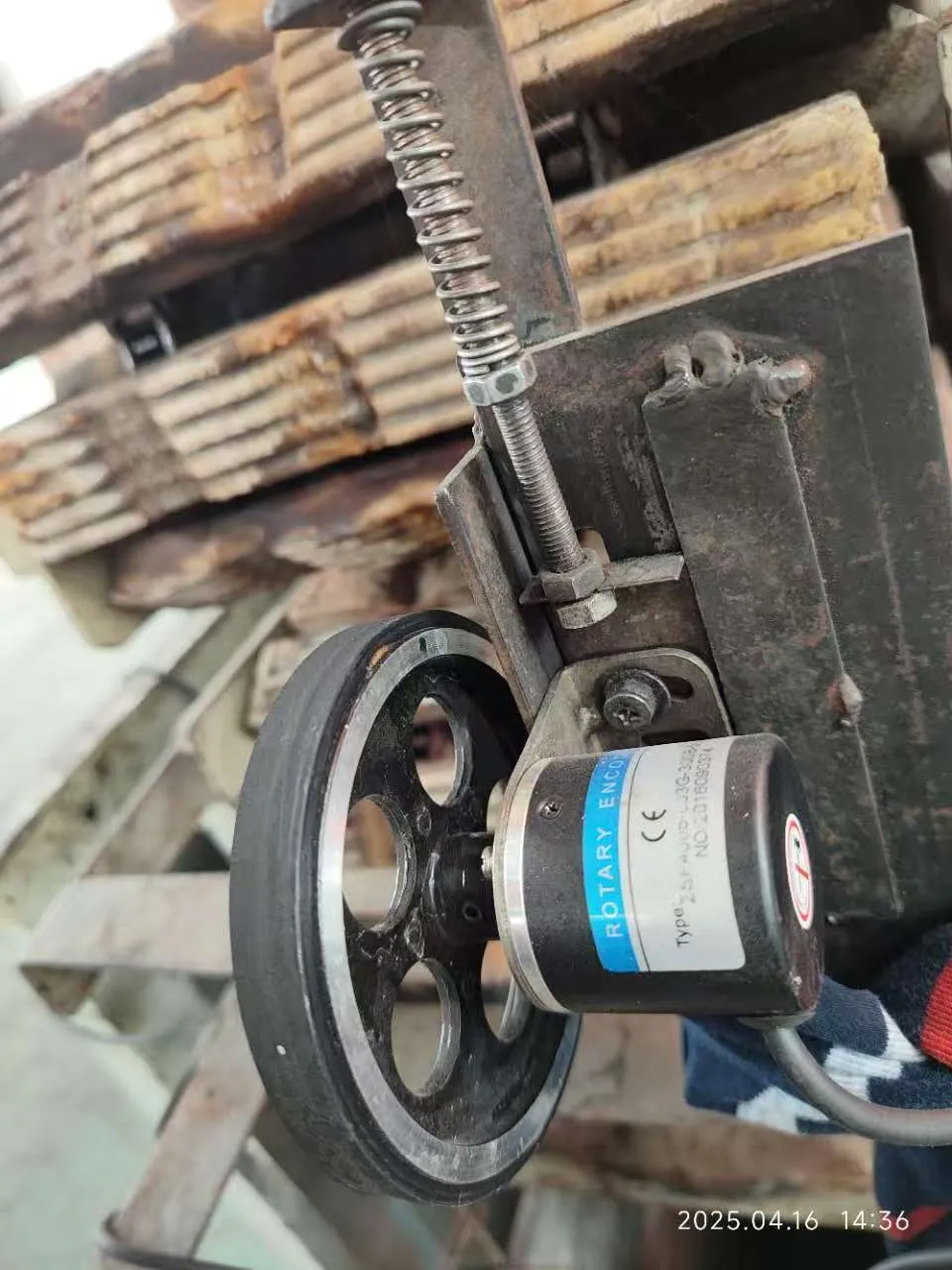
Hard plastic wheels are non-pneumatic wheel systems increasingly utilized across a diverse range of industrial and commercial applications. These wheels, typically manufactured from polymers such as Polypropylene (PP), Polyurethane (PU), Nylon, and Acrylonitrile Butadiene Styrene (ABS), provide a cost-effective and durable alternative to traditional rubber or metal wheels. Positioned within the material handling, conveyance, and mobile equipment supply chain, their performance is critical in determining overall system efficiency, load capacity, and operational lifespan. Core performance characteristics include load-bearing capacity, resistance to wear and abrasion, rolling resistance, and dimensional stability under varying environmental conditions. The industry faces ongoing challenges relating to optimizing polymer selection for specific load requirements, minimizing noise vibration and harshness (NVH), and enhancing resistance to chemical degradation. This guide provides an in-depth technical overview of hard plastic wheels, encompassing material science, manufacturing processes, performance parameters, failure modes, and relevant industry standards.
Material Science & Manufacturing
The selection of polymer is paramount in determining the properties of hard plastic wheels. PP offers excellent chemical resistance and low cost, making it suitable for light-duty applications. PU exhibits superior abrasion resistance and load capacity but is generally more expensive. Nylon (Polyamide) provides high tensile strength and toughness, ideal for heavy-duty applications requiring impact resistance. ABS balances impact resistance, rigidity, and cost-effectiveness. Manufacturing processes predominantly include injection molding. This process involves injecting molten polymer into a closed mold cavity, where it cools and solidifies. Critical parameters during injection molding include melt temperature, mold temperature, injection pressure, and cooling rate. Variations in these parameters directly impact the wheel's density, crystallinity, and mechanical properties. For larger diameter wheels, a spoked core design utilizing glass fiber reinforcement is frequently employed to enhance structural integrity and reduce material usage. Post-molding processes often include deburring, surface finishing (e.g., polishing, texturing), and dimensional inspection. Welding, particularly ultrasonic welding, is used for assembling components like wheel cores and treads. Material compatibility between the wheel polymer and the axle material (typically steel or stainless steel) is crucial to prevent galvanic corrosion and ensure long-term performance. Furthermore, the polymer’s glass transition temperature (Tg) dictates its operational temperature range and impacts performance at extreme temperatures.
Performance & Engineering
The performance of hard plastic wheels is governed by several engineering principles. Force analysis dictates the stress distribution within the wheel under load, influencing its deformation and potential for failure. Finite Element Analysis (FEA) is frequently employed to model stress concentrations and optimize wheel geometry. Rolling resistance, a critical parameter impacting energy efficiency, is influenced by the wheel’s diameter, material hardness, and surface finish. Lower rolling resistance translates to reduced power consumption in material handling equipment. Environmental resistance is a key consideration, particularly exposure to UV radiation, temperature fluctuations, and chemical contaminants. UV stabilizers are often incorporated into the polymer formulation to mitigate degradation from sunlight. Coefficient of thermal expansion must be considered when designing for applications with significant temperature variations. Compliance requirements vary by industry and application. For food processing applications, the wheel material must comply with FDA regulations regarding food contact safety. In medical applications, biocompatibility is paramount. Dimensional stability is assessed through rigorous testing procedures to ensure the wheel maintains its shape and tolerances under load and environmental stress. Furthermore, the dynamic load capacity must be accurately calculated based on the application’s duty cycle and anticipated impact forces.
Technical Specifications
| Parameter | Polypropylene (PP) | Polyurethane (PU) | Nylon (Polyamide 6) | ABS |
|---|---|---|---|---|
| Hardness (Shore D) | 40-60 | 70-95 | 70-85 | 75-90 |
| Tensile Strength (MPa) | 10-20 | 30-50 | 60-80 | 40-60 |
| Impact Strength (Izod Notched, kJ/m²) | 5-10 | 15-25 | 50-80 | 20-40 |
| Operating Temperature (°C) | -20 to 80 | -30 to 80 | -40 to 100 | -20 to 85 |
| Load Capacity (kg) | 50-100 | 100-250 | 150-300 | 80-150 |
| Coefficient of Rolling Resistance | 0.02 - 0.03 | 0.015 - 0.025 | 0.02 - 0.03 | 0.02 - 0.03 |
Failure Mode & Maintenance
Hard plastic wheels are susceptible to several failure modes. Fatigue cracking can occur under cyclic loading, particularly around stress concentration points such as axle interfaces or spoked core connections. Delamination, the separation of layers in composite wheels, can result from impact damage or moisture ingress. Chemical degradation can occur due to exposure to harsh solvents or corrosive substances, leading to material embrittlement. Oxidation, particularly at elevated temperatures, can reduce the polymer’s mechanical properties. Wear and abrasion, a common failure mode in abrasive environments, causes gradual material loss and dimensional changes. Preventive maintenance includes regular inspection for cracks, delamination, and wear. Lubrication of the axle interface reduces friction and prevents premature wear. Cleaning the wheels to remove contaminants extends their service life. For heavily loaded applications, consider implementing a scheduled replacement program based on operating hours or load cycles. If cracking is detected, immediate replacement is recommended to prevent catastrophic failure. Additionally, proper storage conditions, away from direct sunlight and extreme temperatures, can minimize degradation during periods of non-use. Failure analysis, including microscopic examination of fractured surfaces, can help identify the root cause of failure and inform design improvements.
Industry FAQ
Q: What is the primary difference in performance between a Polypropylene and Polyurethane wheel for a light-duty warehouse application?
A: While both PP and PU wheels are suitable for light-duty applications, PU offers significantly higher abrasion resistance and load capacity. This translates to a longer service life and reduced frequency of replacement, particularly in environments with frequent starts and stops or abrasive flooring. PP is more cost-effective, but may require more frequent replacement.
Q: How does temperature affect the load capacity of a Nylon wheel?
A: Nylon’s load capacity decreases at elevated temperatures. As the temperature increases, the polymer softens, reducing its stiffness and increasing its susceptibility to deformation under load. Detailed load capacity charts, provided by the manufacturer, should be consulted to determine the derating factor at specific operating temperatures.
Q: What is the impact of UV exposure on ABS wheels used outdoors?
A: ABS is susceptible to degradation from UV exposure, leading to discoloration, embrittlement, and reduced impact strength. UV stabilizers are often added to ABS formulations to mitigate this effect, but prolonged exposure will still result in performance degradation. Regularly inspecting ABS wheels used outdoors and replacing them as needed is critical.
Q: Can hard plastic wheels be used in environments with exposure to hydraulic oil?
A: The compatibility of the wheel material with hydraulic oil depends on the specific oil formulation and the wheel polymer. PU and Nylon generally exhibit good resistance to common hydraulic fluids, but PP and ABS may be susceptible to swelling or degradation. A chemical compatibility chart should be consulted to ensure the wheel material is suitable for the specific environment.
Q: What are the benefits of using glass fiber reinforcement in hard plastic wheels?
A: Glass fiber reinforcement significantly increases the wheel’s stiffness, strength, and dimensional stability. This allows for the design of larger diameter wheels with higher load capacities without sacrificing structural integrity. It also reduces weight compared to solid wheels made entirely of polymer.
Conclusion
Hard plastic wheels represent a versatile and cost-effective solution for a wide range of industrial applications. The choice of polymer—PP, PU, Nylon, or ABS—is dictated by specific load requirements, environmental conditions, and budget constraints. Understanding the manufacturing processes, performance characteristics, and potential failure modes is crucial for ensuring optimal performance and longevity. By prioritizing proper material selection, meticulous quality control during manufacturing, and implementing a robust maintenance program, operators can maximize the return on investment and minimize downtime associated with wheel failures.
Future advancements in polymer technology are likely to focus on developing materials with enhanced abrasion resistance, UV stability, and chemical compatibility. Furthermore, the integration of sensor technologies within the wheel structure will enable real-time monitoring of load, temperature, and wear, facilitating predictive maintenance and optimizing operational efficiency. Continued research and development will undoubtedly solidify the position of hard plastic wheels as a vital component in modern material handling and conveyance systems.