
Introduction
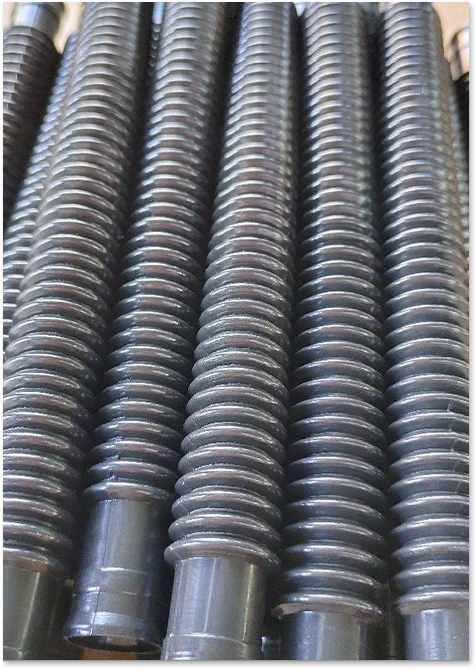
Grey plastic plumbing fittings, typically manufactured from Polypropylene Random Copolymer (PPR) or Polyvinyl Chloride (PVC), represent a critical component in modern fluid conveyance systems. Positioned downstream from raw polymer production, these fittings bridge the gap between rigid piping and complex plumbing layouts, enabling efficient distribution of potable water, drainage, and industrial fluids. Their prevalence stems from a confluence of factors: corrosion resistance, lightweight nature, cost-effectiveness compared to metallic alternatives, and ease of installation via solvent welding, threading, or compression techniques. Core performance characteristics revolve around pressure containment, leak-proof joints, and long-term durability under diverse operating conditions. This guide provides an in-depth technical overview of grey plastic plumbing fittings, encompassing material science, manufacturing processes, performance engineering, failure analysis, and relevant industry standards.
Material Science & Manufacturing
The predominant materials used in grey plastic plumbing fittings are PPR and PVC. PPR, favored for hot and cold-water applications, exhibits a semi-crystalline morphology, providing a balance of rigidity and flexibility. Its chemical structure (random copolymerization of propylene with ethylene) imparts improved impact resistance and crack propagation resistance compared to homopolymer polypropylene. PVC, commonly used for drainage, waste, and vent (DWV) systems, is an amorphous thermoplastic polymer. The incorporation of plasticizers into PVC formulations enhances flexibility but can compromise long-term thermal stability and chemical resistance. Grey pigmentation is achieved through the addition of titanium dioxide (TiO2) and carbon black, contributing to UV resistance and aesthetic appeal.
Manufacturing processes vary depending on fitting geometry and material. Injection molding is widely employed for mass production of standard fittings like elbows, tees, and couplings. This process involves melting the polymer resin, injecting it into a closed mold under high pressure, and allowing it to cool and solidify. Critical parameters include melt temperature, injection pressure, mold temperature, and cooling rate, all impacting dimensional accuracy, surface finish, and mechanical properties. Extrusion is used for manufacturing pipes and, subsequently, fittings requiring long, continuous shapes. Solvent welding (for PVC) utilizes chemical adhesives to fuse the fitting and pipe together, creating a homogenous joint. PPR fittings are typically joined using heat fusion, involving controlled heating of the fitting socket and pipe end to achieve a weld. Quality control during manufacturing includes dimensional checks, hydrostatic pressure testing, and impact resistance testing according to established standards.
Performance & Engineering
Performance of grey plastic plumbing fittings is dictated by several engineering considerations. Hydrostatic pressure resistance is paramount, requiring fittings to withstand sustained internal pressures without failure. Finite element analysis (FEA) is routinely used to model stress distribution within fitting geometries under various load conditions, optimizing wall thickness and design features. Thermal expansion and contraction are significant factors, particularly in PPR systems subjected to temperature fluctuations. Coefficient of linear expansion (CLE) differences between the fitting and pipe material necessitate allowance for expansion gaps to prevent stress cracking. Chemical resistance is crucial, particularly in industrial applications where fittings may encounter corrosive fluids. PVC is generally more resistant to acids and alkalis than PPR, but both materials can be affected by prolonged exposure to certain solvents. Long-term creep resistance is also critical, preventing dimensional changes under sustained load. Compliance with regional plumbing codes and standards (e.g., NSF/ANSI 61 for potable water systems) is mandatory, ensuring material safety and performance reliability.
Force analysis during installation and operation is essential. Solvent welding and heat fusion processes induce localized stresses that must be within acceptable limits to prevent joint failure. External loads, such as those from suspended piping or equipment vibration, must be considered when selecting fitting sizes and support mechanisms. Fatigue analysis is also relevant for fittings subjected to cyclical pressure variations.
Technical Specifications
| Parameter | PPR Fitting (Typical) | PVC Fitting (DWV) | Unit |
|---|---|---|---|
| Material | Polypropylene Random Copolymer | Polyvinyl Chloride | - |
| Pressure Rating | PN20 (2.0 MPa) | Atmospheric | MPa |
| Operating Temperature | -20 to +95 °C | -40 to +60 °C | °C |
| Tensile Strength | >25 MPa | >50 MPa | MPa |
| Elongation at Break | >200% | >30% | % |
| Impact Strength (Izod Notched) | >5 kJ/m² | >3 kJ/m² | kJ/m² |
| Water Absorption (24hr) | <0.1% | <0.5% | % |
Failure Mode & Maintenance
Grey plastic plumbing fittings are susceptible to several failure modes. Brittle fracture can occur due to impact damage, particularly at low temperatures. Environmental Stress Cracking (ESC) is a common issue, resulting from prolonged exposure to chemicals or sustained mechanical stress. UV degradation can cause discoloration and embrittlement, particularly in PVC fittings exposed to sunlight. Thermal deformation can occur in PPR systems due to excessive temperatures or improper installation. Joint failure is a frequent problem, often caused by inadequate solvent welding (PVC) or insufficient heat fusion (PPR). Creep rupture can occur over extended periods under sustained load.
Preventive maintenance includes visual inspection for cracks, discoloration, or deformation. Regular leak testing is essential, particularly in critical applications. Protection from UV exposure is recommended, particularly for outdoor installations. Proper installation techniques, adhering to manufacturer’s instructions and relevant standards, are crucial. In case of a leak, the affected fitting should be replaced immediately. For solvent welded joints, ensure proper surface preparation and application of adhesive. For heat fusion joints, maintain correct temperature and pressure parameters. Avoid over-tightening threaded connections, as this can damage the fitting material.
Industry FAQ
Q: What is the primary difference in application between PPR and PVC fittings, and how does this relate to their material properties?
A: PPR fittings are primarily used for hot and cold potable water systems due to their higher temperature resistance and lower susceptibility to leaching of harmful chemicals into the water supply. Their random copolymer structure provides flexibility and impact strength. PVC fittings, particularly DWV grades, are best suited for drainage, waste, and vent systems, where temperature is less of a concern and chemical resistance to common household waste is paramount. PVC's rigidity and lower cost make it ideal for these applications.
Q: How does UV exposure affect the long-term performance of grey plastic fittings, and what mitigation strategies are recommended?
A: UV exposure can cause chain scission in the polymer matrix, leading to discoloration, embrittlement, and reduced mechanical properties. PVC is particularly susceptible. Mitigation strategies include incorporating UV stabilizers into the material formulation, painting fittings with reflective coatings, and shielding them from direct sunlight where possible.
Q: What are the key parameters to control during solvent welding of PVC fittings to ensure a reliable joint?
A: Key parameters include proper surface preparation (cleaning and degreasing), application of the correct solvent cement (matched to the PVC compound), ambient temperature, and dwell time. The joint should be assembled quickly after applying the cement to prevent solvent evaporation. Proper ventilation is crucial when using solvent cements.
Q: What is the significance of hydrostatic pressure testing, and what failure criteria are typically used?
A: Hydrostatic pressure testing verifies the integrity of the fitting and joint under simulated operating conditions. Fittings are pressurized with water to a level exceeding their rated working pressure and held for a specified duration (e.g., 30 minutes). Failure criteria typically include visible leakage, permanent deformation, or catastrophic rupture.
Q: What role do industry standards (e.g., ASTM, ISO) play in ensuring the quality and performance of these fittings?
A: Industry standards like ASTM D2466 (PVC fittings) and ISO 15876 (PPR fittings) define minimum requirements for material properties, dimensional accuracy, pressure resistance, and testing procedures. Compliance with these standards ensures a consistent level of quality and performance, providing confidence to engineers and end-users.
Conclusion
Grey plastic plumbing fittings represent a versatile and cost-effective solution for fluid conveyance, but their successful implementation hinges on a thorough understanding of the underlying material science, manufacturing processes, and performance characteristics. Selecting the appropriate material (PPR or PVC) based on application requirements, adhering to proper installation techniques, and implementing preventive maintenance measures are crucial for ensuring long-term reliability and preventing premature failure.
Future trends in this area are likely to focus on the development of enhanced polymer formulations with improved UV resistance, chemical resistance, and creep performance. The integration of smart sensors within fittings to monitor pressure, temperature, and flow rates, and to detect leaks in real-time, is also a promising area of innovation. Continued adherence to evolving industry standards and a commitment to quality control will be essential for maintaining the integrity and safety of these critical plumbing components.