
Introduction
Caster plastic, typically referring to polyurethane (PU) materials used in caster wheel manufacturing, represents a critical component within the broader material handling and mobility solutions industry. Positioned between the raw polymer suppliers and the final product manufacturers (e.g., furniture, industrial equipment, medical devices), caster plastic’s performance directly impacts load capacity, maneuverability, floor protection, and noise reduction. Its technical significance stems from the ability to engineer materials with a wide range of durometers (hardness), resilience, and resistance to abrasion, chemicals, and temperature fluctuations. Core performance characteristics revolve around dynamic load bearing capacity, rollability (measured by resistance to rolling friction), and durability, measured by wear resistance. The selection of appropriate caster plastic is a nuanced engineering challenge, dependent on the specific application and environmental conditions.
Material Science & Manufacturing
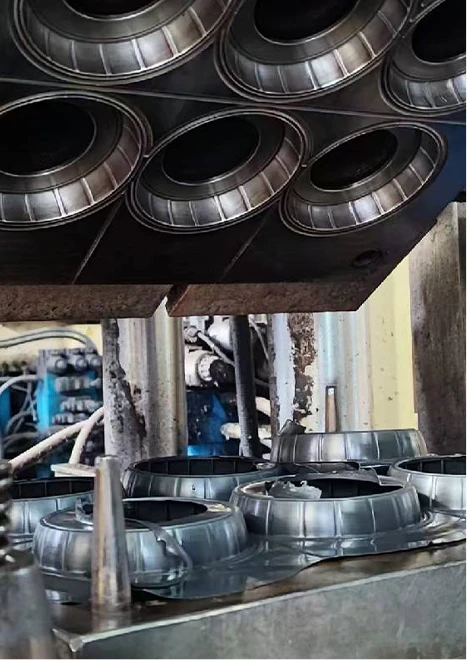
The foundational material for most high-performance caster plastics is polyurethane (PU), an addition polymer created by the reaction of a polyol and an isocyanate. Raw material properties significantly influence the final product. Polyols contribute flexibility and hydrolytic stability, while isocyanates dictate hardness and chemical resistance. Common polyols include polyester and polyether polyols, each offering different performance trade-offs. Polyester polyols generally exhibit superior abrasion resistance and load capacity, while polyether polyols demonstrate better hydrolytic stability and low-temperature flexibility. The isocyanate component, typically MDI (methylene diphenyl diisocyanate) or TDI (toluene diisocyanate), determines the crosslink density and therefore the hardness of the PU. Manufacturing processes vary depending on the desired product form. Reaction injection molding (RIM) is prevalent for large, complex shapes like caster wheels, allowing for high production volumes and precise dimensional control. Parameters such as mold temperature (typically 40-70°C), injection pressure (50-150 bar), and reactant mixing ratios must be meticulously controlled to achieve consistent material properties. Cast polyurethane elastomers are also produced via cast molding, allowing for lower volume production of highly specialized parts. Post-processing operations may include grinding, polishing, and surface coating to optimize surface finish and protect against UV degradation. The inclusion of additives, such as glass fibers or lubricants (e.g., silicone, molybdenum disulfide), further tailors the material properties to specific application requirements. Shore hardness, measured using durometers (Shore A, D), is a key quality control parameter during manufacturing, ensuring adherence to design specifications. Precise control of the NCO/OH ratio is crucial for achieving desired material properties and minimizing residual monomer content.
Performance & Engineering
The performance of caster plastic is governed by complex interplay of mechanical forces, environmental factors, and material properties. Force analysis, particularly concerning rolling resistance and static/dynamic load capacity, is crucial. Rolling resistance is a function of hysteresis loss within the material as it deforms under load, impacting energy efficiency and maneuverability. Dynamic load capacity is determined by the material’s fatigue resistance and ability to withstand repeated stress cycles. Finite Element Analysis (FEA) is often employed to simulate load distribution and predict stress concentrations within the caster wheel. Environmental resistance is another critical consideration. Exposure to oils, solvents, acids, and UV radiation can lead to material degradation and premature failure. Polyurethane’s resistance to these factors varies depending on the specific chemical composition and additive package. Compliance requirements, such as RoHS (Restriction of Hazardous Substances) and REACH (Registration, Evaluation, Authorisation and Restriction of Chemicals) regulations, dictate permissible substance limits within the material. Furthermore, floor protection is a key engineering consideration. Harder caster materials can damage sensitive flooring surfaces, while softer materials may provide better cushioning but exhibit increased wear rates. The coefficient of friction between the caster wheel and the floor surface directly impacts maneuverability and the force required to initiate and maintain motion. The design of the caster wheel geometry, including the contact patch area and the wheel profile, plays a significant role in optimizing performance and minimizing floor damage. Proper bonding between the polyurethane tread and the core material (e.g., aluminum, polypropylene) is essential to prevent delamination and ensure structural integrity.
Technical Specifications
| Parameter | Typical Range (Polyether-Based PU) | Typical Range (Polyester-Based PU) | Testing Standard |
|---|---|---|---|
| Shore Hardness (Durometer A) | 60A - 95A | 70A - 100A | ASTM D2240 |
| Tensile Strength | 15 - 40 MPa | 20 - 50 MPa | ASTM D412 |
| Elongation at Break | 200% - 500% | 150% - 300% | ASTM D412 |
| Abrasion Resistance (Taber Abrasion) | 50 - 150 mg loss | 30 - 100 mg loss | ASTM D5963 |
| Hydrolytic Stability (Weight Change after 70°C water immersion) | ± 2% | ± 5% | ASTM D573 |
| Operating Temperature Range | -30°C to +80°C | -20°C to +90°C | Internal Testing |
Failure Mode & Maintenance
Caster plastic components are susceptible to several failure modes. Fatigue cracking, induced by repeated stress cycles, is common in high-load applications. Delamination, the separation of the polyurethane tread from the core material, typically results from inadequate bonding or exposure to harsh chemicals. Hydrolytic degradation, particularly prevalent in polyether-based PUs exposed to humid environments, leads to a loss of mechanical properties. Oxidation, accelerated by exposure to UV radiation and elevated temperatures, causes surface cracking and embrittlement. Chunking or chipping, frequently observed in high-impact scenarios, indicates a lack of impact resistance. Wear, the gradual removal of material due to abrasion, is inevitable but can be minimized through proper material selection and lubrication. Maintenance strategies include regular inspection for cracks, delamination, and wear. Lubricating the caster bearings reduces friction and extends their lifespan. Avoiding exposure to incompatible chemicals prevents material degradation. Periodic cleaning removes debris that can accelerate wear. If significant wear or damage is detected, the caster wheel should be replaced to prevent catastrophic failure. For applications involving high loads or harsh environments, preventative maintenance schedules should be implemented to proactively identify and address potential issues. Analysis of failed components can provide valuable insights into root causes and inform material selection for future designs.
Industry FAQ
Q: What is the primary difference between polyester and polyether-based polyurethane casters in terms of chemical resistance?
A: Polyether-based polyurethane exhibits superior hydrolytic stability, meaning it’s more resistant to degradation when exposed to water, alkalis, and some weak acids. Polyester-based polyurethane generally offers better resistance to oils, solvents, and fuels, but is more susceptible to hydrolysis. Therefore, the choice depends heavily on the specific chemical exposure expected in the application.
Q: How does caster durometer affect floor protection and rolling resistance?
A: Lower durometer (softer) casters provide better floor protection by conforming to surface irregularities and absorbing shock. However, they generally have higher rolling resistance due to increased hysteresis losses during deformation. Higher durometer (harder) casters offer lower rolling resistance but can damage sensitive flooring surfaces. A balance must be struck based on the application’s requirements.
Q: What is the significance of the NCO/OH ratio in polyurethane manufacturing?
A: The NCO/OH (isocyanate to hydroxyl) ratio is critical for controlling the crosslink density of the polyurethane. A proper ratio ensures complete reaction of the isocyanate, minimizing residual monomer content and maximizing mechanical properties. An imbalance can lead to either incomplete curing (resulting in low strength) or excessive crosslinking (leading to brittleness).
Q: How can I determine if a caster wheel is suitable for a specific load capacity?
A: Consult the manufacturer’s load capacity specifications, considering both static and dynamic load ratings. Static load capacity refers to the maximum weight the caster can support at rest, while dynamic load capacity represents the maximum weight it can handle while in motion. Factor in a safety margin to account for shock loads and uneven weight distribution.
Q: What are the implications of RoHS and REACH compliance for caster plastic components?
A: RoHS restricts the use of certain hazardous substances (e.g., lead, cadmium, mercury) in electrical and electronic equipment, and increasingly influences other industries. REACH regulates the registration, evaluation, authorisation and restriction of chemical substances. Compliance ensures that caster plastic components meet these regulatory requirements, enabling their use in a wider range of applications and markets.
Conclusion
The selection and engineering of caster plastic components are intrinsically linked to the overall performance and reliability of material handling systems. Understanding the nuances of polyurethane chemistry, manufacturing processes, and material properties is paramount for optimizing load capacity, maneuverability, and durability. Factors such as environmental conditions, chemical exposure, and floor protection requirements must be carefully considered during material selection.
Looking forward, advancements in polyurethane formulations, including bio-based polyols and self-healing polymers, promise to further enhance the performance and sustainability of caster plastic components. Continued research and development focused on wear resistance, fatigue life, and impact resistance will be crucial for meeting the evolving demands of increasingly complex industrial applications.