
Introduction
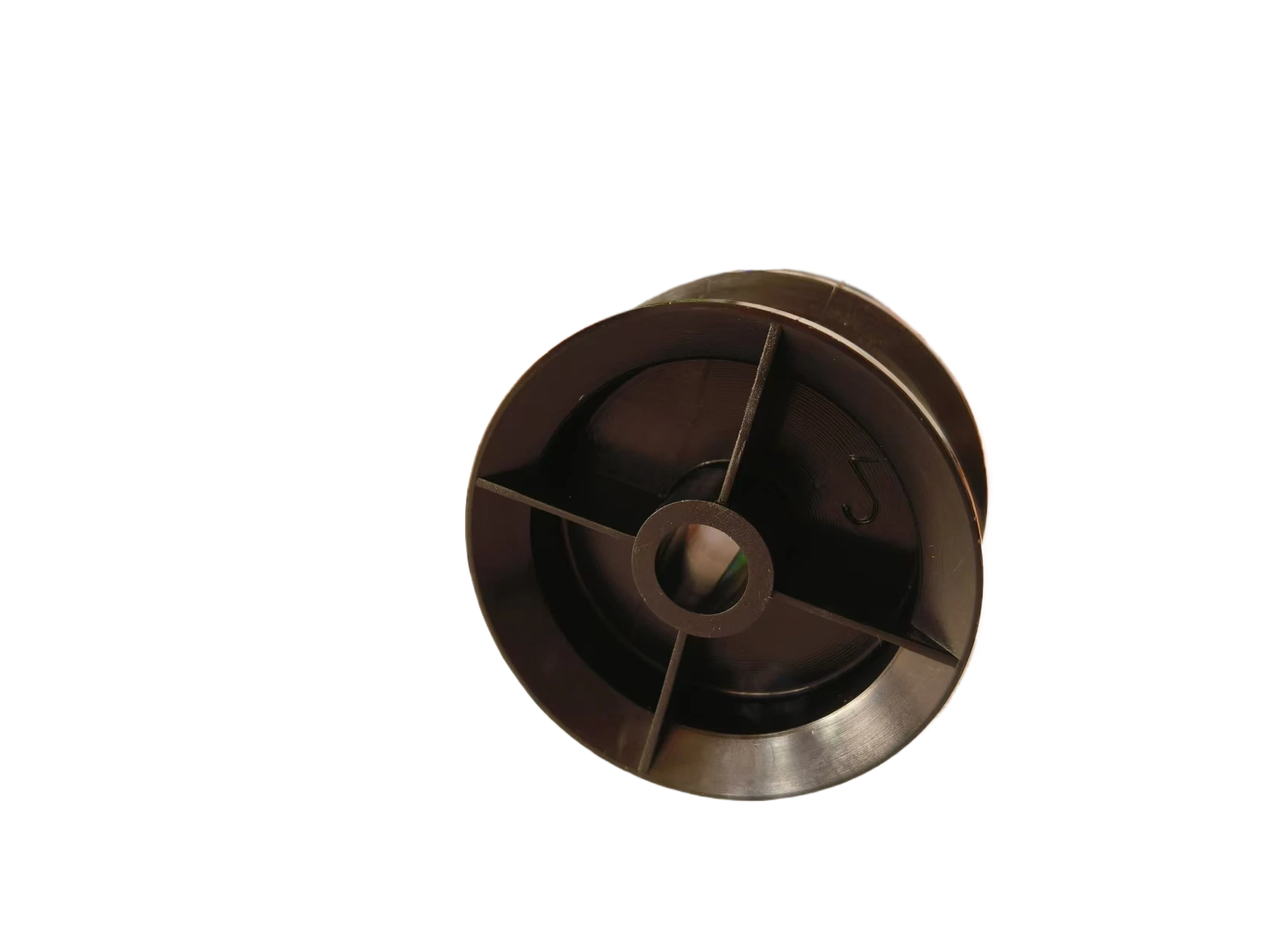
Black plastic casters are ubiquitous components in material handling systems across diverse industries, ranging from warehousing and logistics to furniture manufacturing and institutional applications. Technically, they represent a subset of rolling elements, distinguished by their wheel core constructed from polymeric materials – typically polypropylene (PP), nylon, polyurethane (PU), or a combination thereof – encased in a black pigmentation for aesthetic consistency and UV protection. Their primary function is to facilitate the low-friction movement of loads, reducing the manual effort required for transportation and enhancing operational efficiency. The selection of a black plastic caster is not merely a cost-driven decision; it involves a complex consideration of load capacity, floor surface compatibility, environmental conditions, and the specific demands of the application. Core performance characteristics include static and dynamic load ratings, swivel radius, rolling resistance, and resistance to abrasion, chemicals, and temperature fluctuations. A critical industry pain point lies in optimizing caster selection to minimize floor damage, reduce noise pollution, and ensure long-term durability, ultimately minimizing total cost of ownership.
Material Science & Manufacturing
The material composition of black plastic casters significantly dictates their performance characteristics. Polypropylene (PP) is a common choice due to its cost-effectiveness, impact resistance, and relatively low coefficient of friction. However, PP exhibits limited UV resistance and can become brittle at low temperatures. Nylon (specifically Nylon 6 and Nylon 66) offers superior strength, wear resistance, and temperature tolerance, but is more susceptible to moisture absorption, potentially leading to dimensional instability. Polyurethane (PU) provides exceptional load capacity, abrasion resistance, and shock absorption, making it suitable for heavy-duty applications, but it is generally more expensive than PP or nylon. The “black” coloration is achieved through the incorporation of carbon black pigment, which also functions as a UV stabilizer, protecting the polymer matrix from degradation caused by prolonged exposure to sunlight.
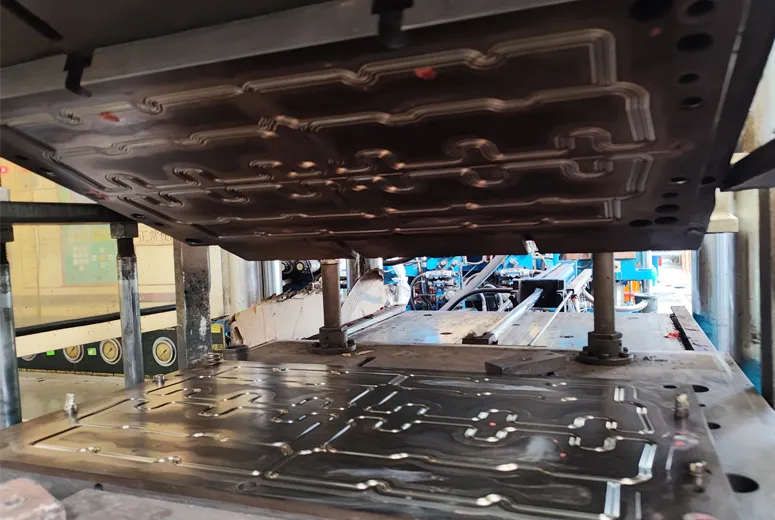
Manufacturing processes typically involve injection molding. Raw polymer pellets, along with carbon black and any necessary additives (e.g., glass fiber reinforcement for increased strength, lubricants for reduced friction), are melted and injected under high pressure into a mold cavity. Key parameters controlling the final product quality include melt temperature, injection pressure, cooling rate, and mold temperature. Precise control of these parameters is essential to minimize warping, shrinkage, and internal stresses. For casters with metal components (e.g., swivel brackets, bearings), secondary operations such as welding, stamping, and assembly are required. Bearing types vary from plain bushings (low cost, limited precision) to precision ball bearings (high performance, higher cost). The quality of the bearing directly impacts the caster's swivel action and load-carrying capacity. Post-molding processes often include deburring, cleaning, and quality control inspections to ensure dimensional accuracy and structural integrity.
Performance & Engineering
The performance of black plastic casters is governed by several engineering principles. Force analysis is crucial in determining the appropriate caster size and configuration for a given load. Static load capacity refers to the maximum load the caster can support without permanent deformation, while dynamic load capacity represents the maximum load it can withstand during movement. The swivel radius dictates the maneuverability of the caster; smaller radii enable tighter turns. Rolling resistance, influenced by the wheel material, bearing type, and load, directly impacts the force required to move the load.
Environmental resistance is a critical consideration. Exposure to chemicals (e.g., oils, solvents, acids) can cause swelling, degradation, or discoloration of the polymer. Temperature fluctuations can affect the caster’s strength and flexibility. UV radiation can lead to embrittlement and cracking. Compliance requirements vary depending on the application and industry. For example, casters used in the food and beverage industry must comply with FDA regulations regarding material safety. Casters used in healthcare settings may need to meet specific hygiene standards. Functional implementation involves careful consideration of mounting height, bolt patterns, and swivel lock mechanisms. The caster's ability to distribute the load evenly across the floor surface is crucial to minimize floor damage and ensure smooth rolling. Finite Element Analysis (FEA) is often employed during the design phase to optimize the caster's geometry and material selection for maximum strength and durability.
Technical Specifications
| Parameter | Polypropylene (PP) | Nylon 6 | Polyurethane (PU) | Unit |
|---|---|---|---|---|
| Static Load Capacity | 100-200 | 200-350 | 300-500 | kg |
| Dynamic Load Capacity | 50-100 | 100-175 | 150-250 | kg |
| Wheel Diameter | 50-100 | 50-150 | 75-200 | mm |
| Swivel Radius | 25-50 | 30-75 | 40-100 | mm |
| Hardness (Shore D) | N/A | 70-80 | 70-95 | - |
| Operating Temperature Range | -20 to 80 | -40 to 80 | -30 to 100 | °C |
Failure Mode & Maintenance
Black plastic casters are susceptible to several failure modes. Fatigue cracking can occur in the wheel core or swivel bracket due to repeated stress cycles. Delamination can occur in PU wheels if the bond between the polyurethane and the core material weakens. Degradation, caused by exposure to UV radiation, chemicals, or extreme temperatures, can lead to embrittlement, cracking, and loss of strength. Oxidation can also contribute to material degradation over time. Common failure points include bearing seizure due to contamination or lack of lubrication, and swivel lock mechanism failure due to wear or corrosion.
Preventive maintenance is crucial to extending the lifespan of black plastic casters. Regular inspection for signs of wear, cracking, or corrosion is essential. Lubricating bearings with a suitable grease minimizes friction and prevents seizure. Cleaning casters regularly removes contaminants that can accelerate wear. Avoiding overloading the casters prevents premature failure. If a caster becomes damaged, it should be replaced immediately to prevent accidents. For PU wheels, regular cleaning with mild detergent and water helps prevent buildup of contaminants. In environments with harsh chemicals, selecting a caster material with appropriate chemical resistance is paramount. Periodically tightening mounting bolts ensures secure attachment and prevents wobble.
Industry FAQ
Q: What is the primary difference between a polypropylene and a nylon caster in terms of wear resistance?
A: Nylon casters exhibit significantly higher wear resistance than polypropylene casters. Nylon’s inherent toughness and lower coefficient of friction allow it to withstand abrasive forces for a longer duration, making it ideal for applications involving frequent movement over rough surfaces or heavy loads. Polypropylene, while cost-effective, tends to wear down more quickly under similar conditions.
Q: How does temperature affect the performance of a black plastic caster?
A: Temperature extremes can drastically impact caster performance. Low temperatures can cause polypropylene to become brittle and prone to cracking, while high temperatures can reduce the load capacity of all plastic materials. Polyurethane generally exhibits the broadest temperature operating range, but even it has limitations. The specific temperature tolerance varies depending on the polymer composition and grade.
Q: What are the key considerations when selecting a caster for use on epoxy flooring?
A: Epoxy flooring, while durable, can be susceptible to scratching and marking. It's crucial to select casters with soft wheel materials like polyurethane or nylon with a softer durometer to minimize floor damage. High load capacity is also important to prevent indentations. Avoid casters with sharp edges or debris that could scratch the surface.
Q: Can black plastic casters be used in outdoor applications?
A: While black plastic casters often contain UV stabilizers, prolonged exposure to direct sunlight can still lead to degradation over time. The lifespan will be significantly reduced compared to indoor use. For outdoor applications, consider casters specifically designed for UV resistance or explore alternative materials like reinforced nylon or polyurethane with specialized UV coatings.
Q: What is the importance of the bearing type in a black plastic caster?
A: The bearing type significantly affects the caster’s swivel action, rolling resistance, and load-carrying capacity. Plain bushings are the most basic and cost-effective, suitable for light-duty applications. Sealed ball bearings provide smoother rolling, reduced friction, and higher load capacity, making them ideal for heavy-duty applications. Regular bearing maintenance (lubrication) is crucial for optimal performance and longevity.
Conclusion
Black plastic casters represent a versatile and cost-effective solution for a wide range of material handling challenges. Their selection, however, necessitates a thorough understanding of material science, manufacturing processes, and engineering principles. Optimizing caster choice based on load requirements, environmental conditions, and floor surface compatibility is paramount to maximizing performance, minimizing downtime, and reducing the total cost of ownership. A nuanced appreciation of failure modes and proactive maintenance strategies are also vital for ensuring long-term reliability.
Looking forward, advancements in polymer technology and manufacturing techniques are expected to yield black plastic casters with enhanced strength, durability, and resistance to environmental factors. The integration of smart sensors into caster designs could enable predictive maintenance and real-time monitoring of performance parameters. Ultimately, a technically informed approach to caster selection and maintenance will continue to be critical for achieving operational efficiency and minimizing risks in diverse industrial applications.