
Introduction
9 Plastic wheels, encompassing a broad category of wheels manufactured from various thermoplastic polymers, represent a critical component in numerous industrial applications ranging from material handling and logistics to robotics and light machinery. Unlike traditional metallic wheels, plastic wheels offer benefits such as reduced noise, non-marking surface contact, corrosion resistance, and cost-effectiveness. Their technical position within the broader wheel and caster industry is defined by their load capacity, durability, and resistance to specific environmental factors. Core performance characteristics include radial load capacity, rolling resistance, impact strength, and resistance to degradation from UV exposure and chemical agents. This guide provides an in-depth technical analysis of 9 plastic wheels, covering material science, manufacturing processes, performance engineering, failure modes, and relevant industry standards.
Material Science & Manufacturing
The selection of plastic material is paramount to the performance of a 9 plastic wheel. Common polymers utilized include Polypropylene (PP), Polyethylene (PE), Polyurethane (PU), Nylon (Polyamide 6 & 66), Acrylonitrile Butadiene Styrene (ABS), and Polycarbonate (PC). PP and PE are chosen for their low cost and good chemical resistance, albeit with lower load capacity and temperature resistance. PU offers superior abrasion resistance and load bearing capacity, often used in applications requiring durability. Nylon exhibits excellent strength, toughness, and resistance to wear, making it suitable for high-stress applications. ABS provides a balance of properties, including impact resistance and rigidity. Polycarbonate is employed where high impact strength and temperature resistance are crucial.
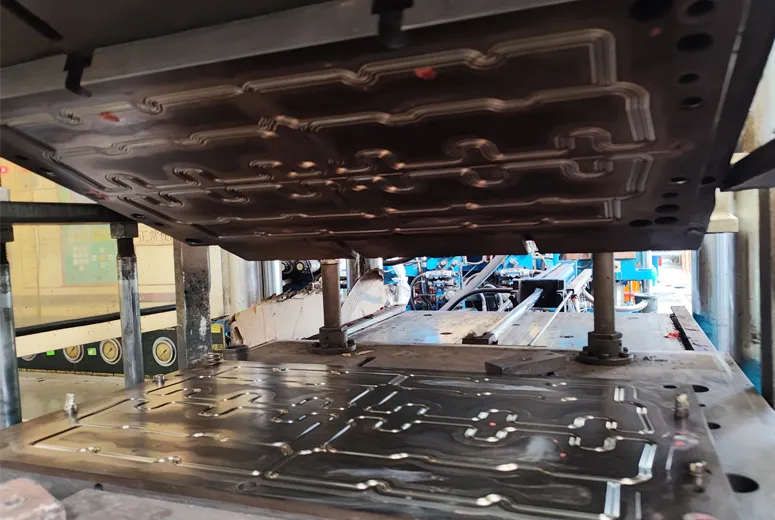
Manufacturing processes vary based on wheel complexity and material. Injection molding is the predominant method for mass production, allowing for intricate designs and tight tolerances. The process involves melting the plastic resin and injecting it into a mold cavity under high pressure. Key parameters controlled during injection molding include melt temperature, injection pressure, cooling time, and mold temperature. Improper control can lead to defects such as warping, sink marks, and weld lines. Rotational molding is utilized for larger, hollow wheels, involving heating a mold while rotating it to distribute the plastic evenly. Thermoforming is employed for simpler wheel shapes. Post-molding operations often include deburring, surface finishing, and the insertion of bearings or other components. The selection of mold material (typically hardened steel or aluminum) significantly influences the lifespan and quality of the molded wheel. Material shrinkage rates must be accurately accounted for in mold design to ensure dimensional accuracy.
Performance & Engineering
Performance of 9 plastic wheels is critically linked to mechanical stress analysis and environmental resistance. Force analysis involves calculating stresses induced by radial loads, impact forces, and bending moments. Factors of safety are applied based on the intended application and material properties. Finite Element Analysis (FEA) is commonly used to simulate stress distribution and identify potential failure points. Rolling resistance, a crucial parameter for material handling applications, is affected by wheel diameter, material hardness, and surface finish. Lower rolling resistance translates to reduced energy consumption and improved efficiency.
Environmental resistance is a significant consideration. UV exposure can cause polymer degradation, leading to embrittlement and discoloration. UV stabilizers are often added to the plastic formulation to mitigate this effect. Chemical resistance varies significantly between polymers; exposure to solvents, acids, and bases can cause swelling, cracking, or dissolution. Temperature resistance is also critical; elevated temperatures can reduce load capacity and dimensional stability. Compliance requirements, particularly in the food and pharmaceutical industries, necessitate the use of FDA-approved materials and adherence to strict hygiene standards. Wheel hardness, measured using the Shore durometer scale, influences traction, abrasion resistance, and noise levels. Bearing selection is also crucial; precision bearings minimize friction and ensure smooth rolling operation.
Technical Specifications
| Material | Diameter (mm) | Load Capacity (kg) | Durometer Hardness (Shore A) |
|---|---|---|---|
| Polypropylene (PP) | 50 | 25 | 60 |
| Polyethylene (PE) | 75 | 40 | 55 |
| Polyurethane (PU) | 100 | 100 | 90 |
| Nylon 6 | 125 | 150 | 85 |
| Nylon 66 | 150 | 200 | 88 |
| ABS | 75 | 50 | 75 |
Failure Mode & Maintenance
9 Plastic wheels are susceptible to several failure modes. Fatigue cracking can occur under cyclic loading, particularly around stress concentration points such as the wheel hub or bearing interface. Delamination, or separation of layers in composite wheels, can result from impact damage or exposure to harsh chemicals. Degradation, caused by UV exposure or oxidation, leads to embrittlement and reduced strength. Chemical attack can cause swelling, cracking, or dissolution of the plastic material. Abrasion, from contact with abrasive surfaces, gradually wears down the wheel tread. Bearing failure, including corrosion, wear, or lubricant degradation, can impede rolling motion and increase stress on the wheel.
Preventative maintenance is crucial for maximizing wheel lifespan. Regular inspection for cracks, delamination, and wear is essential. Proper lubrication of bearings reduces friction and prevents corrosion. Avoid overloading the wheels beyond their specified load capacity. Protect wheels from exposure to harsh chemicals and UV radiation. Cleaning wheels regularly removes contaminants that can accelerate wear. When replacing wheels, ensure compatibility with the existing caster assembly. For heavily loaded applications, consider utilizing wheels with reinforced construction or incorporating wear-resistant coatings. Implementing a scheduled maintenance program and documenting wheel performance data can further improve reliability and reduce downtime.
Industry FAQ
Q: What is the primary difference between a Polypropylene (PP) wheel and a Polyurethane (PU) wheel in terms of abrasion resistance?
A: Polyurethane (PU) wheels exhibit significantly higher abrasion resistance compared to Polypropylene (PP) wheels. PU is a more durable elastomer, capable of withstanding repeated contact with abrasive surfaces without significant material loss. PP, while cost-effective, is softer and more prone to wear, making it unsuitable for applications involving heavy abrasion.
Q: How does temperature affect the load-carrying capacity of a Nylon wheel?
A: Elevated temperatures reduce the load-carrying capacity of Nylon wheels. As temperature increases, the material softens, decreasing its tensile strength and flexural modulus. This results in increased deflection and a reduced ability to support heavy loads. Operating Nylon wheels within the manufacturer’s specified temperature range is crucial.
Q: What are the key considerations when selecting a wheel for use in a corrosive environment?
A: When selecting a wheel for a corrosive environment, prioritize materials with inherent chemical resistance. Polypropylene (PP) and Polyethylene (PE) offer good resistance to many acids and bases. However, specific chemical compatibility should always be verified. Avoid materials like ABS that are susceptible to solvent attack. Consider using coated wheels for enhanced protection.
Q: What is the importance of durometer hardness in wheel selection?
A: Durometer hardness is a measure of a material’s resistance to indentation. Higher durometer values indicate harder materials, offering better abrasion resistance and load capacity. Lower durometer values signify softer materials, providing better grip and cushioning. Selecting the appropriate hardness depends on the application’s specific requirements.
Q: What preventative measures can be taken to extend the lifespan of plastic wheels exposed to UV radiation?
A: To extend the lifespan of plastic wheels exposed to UV radiation, utilize wheels formulated with UV stabilizers. These additives absorb UV energy, preventing polymer degradation. Whenever possible, store wheels indoors when not in use. Consider using protective covers or coatings to shield the wheels from direct sunlight.
Conclusion
9 Plastic wheels represent a versatile and cost-effective solution for a wide array of industrial applications. The selection of the appropriate material and manufacturing process is critical to achieving optimal performance and longevity. Understanding the mechanical properties, environmental resistance, and potential failure modes of these wheels is essential for engineers and procurement professionals. By carefully considering these factors and implementing preventative maintenance practices, the lifespan and reliability of 9 plastic wheels can be significantly enhanced.
Future advancements in polymer technology are likely to yield new materials with improved strength, temperature resistance, and chemical compatibility. Continued refinement of manufacturing processes, such as advanced injection molding techniques, will enable the production of more complex and durable wheel designs. Furthermore, the integration of smart sensors and predictive maintenance algorithms will facilitate proactive monitoring of wheel condition, further optimizing performance and reducing downtime.