
Introduction
Six-wheel plastic assemblies represent a ubiquitous component across diverse industrial applications, ranging from materials handling and conveyor systems to specialized robotics and recreational equipment. Functionally, these assemblies facilitate controlled movement, load distribution, and precise positioning within a defined operational envelope. Their prevalence is directly linked to the advantageous properties of polymeric materials – notably, cost-effectiveness, corrosion resistance, and design flexibility. However, achieving optimal performance necessitates a comprehensive understanding of material selection, manufacturing tolerances, load capacity calculations, and anticipated operational environments. This guide provides an in-depth technical analysis of six-wheel plastic assemblies, addressing material science, manufacturing processes, performance characteristics, failure modes, and relevant industry standards, aimed at engineers, procurement specialists, and maintenance personnel involved in their specification, implementation, and upkeep.
Material Science & Manufacturing
The selection of appropriate polymer materials is paramount for six-wheel plastic assemblies. Common engineering plastics employed include Polypropylene (PP), Polyethylene (PE – including HDPE and LDPE), Polyurethane (PU), Nylon (Polyamide 6 and 66), and Acrylonitrile Butadiene Styrene (ABS). PP and PE offer excellent chemical resistance and low cost, suitable for general-purpose applications with moderate load requirements. PU provides superior wear resistance and load-bearing capacity, frequently used in applications involving high dynamic loads and abrasive environments. Nylon exhibits high tensile strength, stiffness, and resistance to creep, making it appropriate for precision applications demanding dimensional stability. ABS balances impact resistance, rigidity, and processability. The raw material’s molecular weight distribution, crystallinity (for semi-crystalline polymers like PP and PE), and the presence of additives (e.g., glass fibers, lubricants, UV stabilizers) significantly impact final component properties.
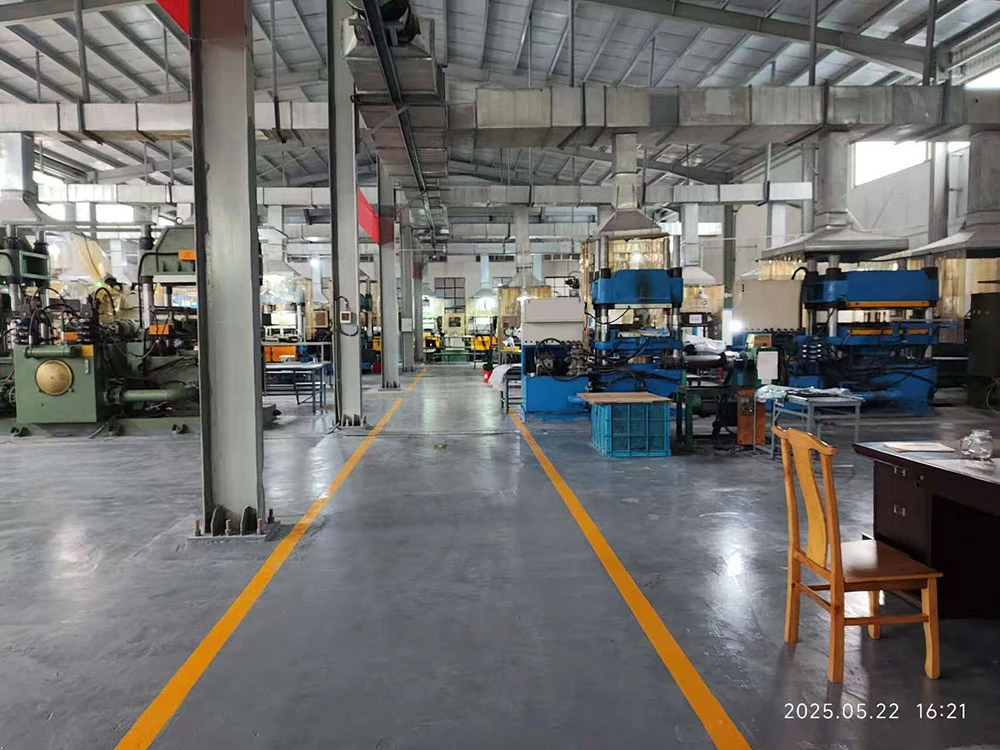
Manufacturing processes typically involve injection molding. This process demands precise control of melt temperature, mold temperature, injection pressure, and cooling rates to minimize warpage, sink marks, and internal stresses. Tooling design is critical; vents must be strategically placed to ensure complete mold filling and prevent air traps. For wheels requiring high dimensional accuracy and surface finish, post-molding operations like ultrasonic welding (for attaching hubs or tires) and precision machining may be employed. Another manufacturing method, rotational molding, is suitable for producing larger, hollow wheels, though it generally yields lower mechanical properties compared to injection molding. Quality control during manufacturing encompasses dimensional inspection using coordinate measuring machines (CMMs), material property verification via tensile and impact testing, and visual inspection for surface defects. Residual stress analysis using techniques like X-ray diffraction can identify potential failure initiation sites.

Performance & Engineering
The performance of six-wheel plastic assemblies is heavily influenced by load distribution, contact mechanics, and environmental factors. Finite Element Analysis (FEA) is routinely used to simulate stress distribution under various loading conditions, predicting areas of high stress concentration and potential failure. The wheel’s geometry (diameter, width, profile) directly affects contact area and pressure. Larger diameters generally reduce contact pressure for a given load, extending wheel life. The durometer (hardness) of the plastic material influences its ability to conform to surface irregularities and absorb impact energy. Environmental resistance is crucial; exposure to UV radiation, chemicals (acids, bases, solvents), and temperature extremes can degrade the polymer, reducing its mechanical properties. Coefficient of friction considerations are vital, especially in conveyor applications, where minimizing friction reduces energy consumption and wear. Bearing selection (if utilized within the wheel assembly) also impacts performance – bearing preload, lubrication, and material compatibility with the plastic wheel are key factors.
Compliance requirements are diverse, dependent on the application. For food-contact applications, materials must meet FDA regulations. For applications involving flammable environments, materials must exhibit inherent flame retardancy or be treated with flame-retardant additives. RoHS (Restriction of Hazardous Substances) and REACH (Registration, Evaluation, Authorisation and Restriction of Chemicals) compliance are often mandatory for products sold in Europe. Load capacity calculations must incorporate safety factors to account for dynamic loads, impact forces, and material property variations. A detailed understanding of the Hertzian contact stress theory is essential for predicting wheel deformation and fatigue life.
Technical Specifications
| Material | Diameter (mm) | Load Capacity (kg) | Durometer (Shore A) |
|---|---|---|---|
| Polypropylene (PP) | 50 | 10 | 60 |
| High-Density Polyethylene (HDPE) | 75 | 25 | 65 |
| Polyurethane (PU) | 100 | 50 | 90 |
| Nylon 6 | 60 | 30 | 70 |
| Acrylonitrile Butadiene Styrene (ABS) | 40 | 8 | 85 |
| Polyurethane (PU) with Glass Fiber Reinforcement | 125 | 100 | 95 |
Failure Mode & Maintenance
Six-wheel plastic assemblies are susceptible to several failure modes. Fatigue cracking, induced by repeated loading, is common, particularly around stress concentrators like axle holes or mold parting lines. Wear, resulting from abrasive contact with surfaces, degrades the wheel’s profile and reduces load-bearing capacity. Chemical attack, from exposure to corrosive substances, can cause material degradation and swelling. Environmental Stress Cracking (ESC), triggered by the combined effects of stress and chemical exposure, can lead to brittle fracture. UV degradation causes surface embrittlement and discoloration. Delamination can occur in composite wheels, particularly if manufacturing processes introduced voids or insufficient bonding. Oxidation, particularly at elevated temperatures, can alter the polymer’s chemical structure, diminishing its mechanical properties.
Preventive maintenance is crucial. Regular visual inspection for cracks, wear, and discoloration is essential. Lubrication of bearings (if present) reduces friction and wear. Cleaning wheels to remove abrasive contaminants extends their service life. Periodic load assessment ensures that wheels are not overloaded, exceeding their design capacity. If cracking is detected, immediate replacement is recommended. For applications involving harsh chemicals, consider using chemically resistant materials or applying protective coatings. Proper storage of spare wheels – protected from UV radiation and extreme temperatures – maintains their integrity. Monitoring wheel deflection under load can indicate excessive wear or material degradation.
Industry FAQ
Q: What are the primary considerations when selecting a plastic wheel material for a conveyor system operating in a high-temperature environment (80°C)?
A: In high-temperature environments, thermal stability is paramount. Polypropylene (PP) and Polyethylene (PE) are generally unsuitable as they exhibit significant softening and creep at 80°C. Nylon 66 offers superior heat resistance compared to Nylon 6, but Polyurethane (PU) is often the preferred choice due to its excellent thermal stability and resistance to deformation. However, PU's long-term creep performance at 80°C must be verified. Glass fiber reinforcement can enhance PU's rigidity and dimensional stability at elevated temperatures. Furthermore, consider the chemical compatibility of the wheel material with any conveyed materials that may come into contact with the wheels at elevated temperatures.
Q: How does the wheel diameter influence the overall lifespan of a plastic wheel assembly under a constant load?
A: Increasing the wheel diameter reduces the contact stress between the wheel and the supporting surface for a given load. Lower contact stress translates to reduced deformation and lower stress concentration, extending the wheel’s fatigue life. However, larger diameters also increase the wheel's moment of inertia, potentially requiring more energy to start and stop the assembly. A balance must be struck between minimizing contact stress and managing dynamic forces.
Q: What are the implications of using recycled plastic materials in wheel manufacturing?
A: Recycled plastics can offer cost savings and environmental benefits. However, their mechanical properties are often inferior to virgin materials due to chain degradation and the presence of contaminants. Recycled materials typically exhibit lower tensile strength, impact resistance, and UV stability. Careful material characterization and quality control are crucial when using recycled plastics to ensure they meet the required performance specifications. The percentage of recycled content and the source of the recycled material significantly impact the final product's properties.
Q: What testing methods are used to assess the wear resistance of plastic wheels?
A: Taber abrasion testing is a common method for quantifying wear resistance. It involves rotating a wheel against an abrasive surface under a controlled load and measuring the weight loss over time. Pin-on-disc testing is another technique used to evaluate wear rates under specific contact conditions. Microscopic analysis of wear surfaces provides insights into the wear mechanisms (abrasive wear, adhesive wear, etc.). Accelerated wear testing, simulating long-term usage, can provide predictive data on wheel lifespan.
Q: What are the key considerations for selecting a bearing material compatible with plastic wheels to minimize friction and noise?
A: Bearing material selection hinges on compatibility with the plastic wheel's properties and the operating environment. Stainless steel bearings offer excellent corrosion resistance but can exhibit galling if not properly lubricated. Polymer bearings (e.g., PEEK, Delrin) provide low friction and noise but may have lower load-bearing capacity. Lubrication is critical; a lubricant compatible with both the bearing and wheel material must be used. Bearing preload should be optimized to minimize friction and vibration. Proper alignment of the wheel and bearing assembly is essential to prevent uneven load distribution and premature wear.
Conclusion
Six-wheel plastic assemblies represent a versatile and cost-effective solution for numerous material handling and motion control applications. Their performance, however, is inextricably linked to a comprehensive understanding of material science, manufacturing techniques, and operational parameters. Selecting the appropriate polymer, optimizing manufacturing processes, and implementing a proactive maintenance program are essential for maximizing lifespan and minimizing downtime. Careful consideration of load capacity, environmental resistance, and compliance requirements is vital for ensuring reliable and safe operation.
Future advancements in plastic wheel technology will likely focus on the development of novel polymer blends with enhanced mechanical properties and environmental resistance, the integration of smart sensors for real-time performance monitoring, and the adoption of additive manufacturing techniques for customized wheel designs. Continued research into wear mechanisms and lubrication strategies will further extend the service life of these critical components, driving efficiency and reducing maintenance costs across various industries.