
Introduction
25mm High-Density Polyethylene (HDPE) pipe fittings represent a critical component in modern fluid conveyance systems. Positioned within the broader industrial piping landscape, these fittings facilitate the connection of HDPE pipes, crucial for applications ranging from potable water distribution and irrigation to industrial chemical transfer and drainage. Unlike metallic fittings susceptible to corrosion, HDPE fittings offer inherent resistance to a broad spectrum of chemicals, exhibit excellent impact strength even at low temperatures, and provide a lightweight alternative to traditional materials. Their primary performance characteristics revolve around pressure containment, leak-proof sealing, and long-term durability, making them a preferred choice where long service life and minimal maintenance are paramount. The demand for 25mm HDPE fittings is particularly strong in infrastructure projects requiring cost-effective and reliable solutions compliant with stringent environmental regulations.
Material Science & Manufacturing
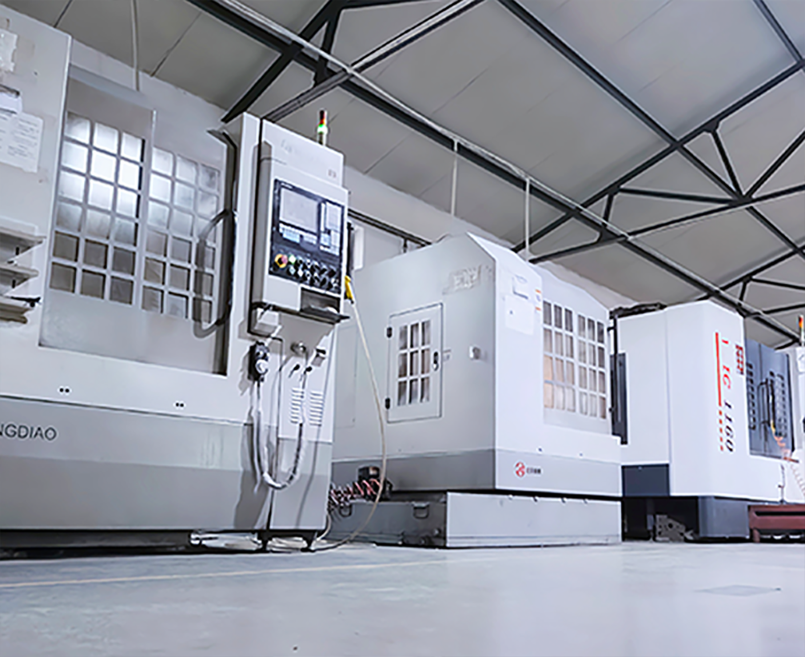
The core material for 25mm HDPE fittings is high-density polyethylene, a thermoplastic polymer produced from the polymerization of ethylene. HDPE's key physical properties – a density typically between 0.93 and 0.97 g/cm³, a tensile strength ranging from 20 to 30 MPa, and a relatively high crystalline structure – contribute to its strength and chemical resistance. Raw material selection involves stringent quality control, focusing on Molecular Weight Distribution (MWD) and the absence of contaminants. Manufacturing primarily employs injection molding. This process involves melting HDPE resin and injecting it under high pressure into a precisely engineered mold cavity. Key parameters during injection molding include melt temperature (typically 180-220°C), mold temperature (30-60°C), injection pressure (70-100 MPa), and cooling time. Precise control of these parameters is essential to prevent warping, shrinkage, and internal stresses. Post-molding, fittings undergo trimming and quality inspection to ensure dimensional accuracy and surface finish. Butt fusion, electrofusion, and mechanical compression are common joining methods, all requiring controlled temperature and pressure application to ensure a homogenous weld. The compatibility of HDPE with other materials in the system must be verified to prevent galvanic corrosion or chemical degradation.
Performance & Engineering
The performance of 25mm HDPE fittings is critically tied to their ability to withstand internal pressure and external loads. Force analysis focuses on hoop stress, longitudinal stress, and bending moments, particularly at joints. Finite Element Analysis (FEA) is routinely employed during the design phase to optimize geometry and material distribution to minimize stress concentrations. Environmental resistance is a significant consideration. While HDPE is inherently resistant to many chemicals, prolonged exposure to strong oxidizing agents or hydrocarbons can cause degradation. UV exposure can also lead to embrittlement; therefore, fittings intended for outdoor use often incorporate UV stabilizers. Compliance requirements vary depending on the application. For potable water systems, fittings must meet NSF/ANSI 61 standards for lead content and extractable contaminants. For gas distribution, compliance with EN 1555-3 or similar standards is mandatory. The long-term creep resistance of HDPE is also crucial, especially in pressurized applications. Creep, the time-dependent deformation under constant stress, can lead to joint failure over extended periods. Proper selection of fitting material grade and consideration of operating temperature are essential to mitigate creep risks.
Technical Specifications
| Parameter | Specification | Test Method | Typical Value (25mm Fitting) |
|---|---|---|---|
| Nominal Diameter | 25 mm (1 inch) | ISO 161-1 | 25.0 ± 0.2 mm |
| Pressure Rating (PN) | PN16 | ISO 161-1 | 1.6 MPa (232 psi) at 20°C |
| Material | HDPE (PE100 or PE80) | ISO 12162 | PE100, MRS 10.0 MPa |
| Density | ISO 1183 | 0.93 - 0.97 g/cm³ | |
| Impact Strength (Charpy) | ISO 148-1 | >400 J/m at -20°C | |
| Long-Term Hydrostatic Strength | ISO 1167 | >100 years at 20°C and 1.6 MPa |
Failure Mode & Maintenance
Common failure modes for 25mm HDPE fittings include slow crack growth (SCG), particularly in fittings exposed to sustained tensile stress and aggressive environments. SCG initiates at stress concentrators, such as weld seams or areas with surface imperfections, and propagates slowly over time. Another failure mode is brittle fracture, often occurring at low temperatures or due to sudden impact loads. Oxidation, while slow, can degrade the HDPE matrix, reducing its strength and ductility. Joint failure can occur due to improper welding techniques, inadequate surface preparation, or material incompatibility. Maintenance primarily focuses on visual inspection for cracks, leaks, or signs of degradation. Regular pressure testing can identify potential weaknesses before catastrophic failure. Preventive maintenance includes protecting fittings from excessive UV exposure, avoiding mechanical damage, and ensuring proper grounding to prevent electrical damage. Should a fitting exhibit signs of SCG, it should be replaced immediately. Joints should be re-inspected periodically, especially in critical applications. The use of appropriate cleaning agents and lubricants during installation and maintenance is also crucial to prevent material degradation.
Industry FAQ
Q: What is the impact of water hammer on 25mm HDPE fittings, and how can it be mitigated?
A: Water hammer, the surge in pressure caused by sudden changes in flow velocity, can induce significant stress on HDPE fittings. Repeated water hammer events can lead to fatigue cracking, particularly at weld seams. Mitigation strategies include the installation of surge suppressors (air chambers or pressure relief valves), slow-closing valves, and proper pipe anchoring to absorb shock loads. Selecting fittings with a higher pressure rating also provides a safety margin.
Q: What is the effect of different joining methods (butt fusion, electrofusion, compression) on the long-term performance of 25mm HDPE fittings?
A: Each joining method has its strengths and weaknesses. Butt fusion creates a homogenous weld with excellent long-term strength and resistance to SCG when performed correctly. Electrofusion provides more precise control of welding parameters and is suitable for smaller diameter fittings. Mechanical compression, while quick and easy, relies on the sealing properties of the gasket and may be more susceptible to leaks over time. Proper operator training and adherence to established welding procedures are crucial for all methods.
Q: How does the choice of HDPE resin grade (PE80, PE100) affect the lifespan and performance of 25mm fittings in a pressurized system?
A: PE100 resin offers significantly higher Minimum Required Strength (MRS) compared to PE80, meaning it can withstand higher sustained pressures and is more resistant to SCG. For critical applications and higher operating pressures, PE100 is generally preferred, extending the lifespan and improving the reliability of the fitting. PE80 may be suitable for lower-pressure, non-critical applications.
Q: What are the best practices for storing 25mm HDPE fittings to prevent degradation before installation?
A: HDPE fittings should be stored in a cool, dry, and well-ventilated area, away from direct sunlight and heat sources. Exposure to UV radiation can cause embrittlement. Fittings should be protected from physical damage and stored on pallets to prevent ground contact. Avoid storing fittings in contact with incompatible materials that may cause chemical degradation.
Q: What are the implications of using recycled HDPE in the manufacture of 25mm fittings, and how is quality control ensured?
A: The use of recycled HDPE can be sustainable but requires careful quality control. Recycled material may have lower mechanical properties and increased susceptibility to degradation. Reputable manufacturers utilize post-industrial recycled HDPE that has been rigorously tested and blended with virgin material to maintain performance characteristics. Quality control measures include verifying MWD, melt flow index, and the absence of contaminants.
Conclusion
25mm HDPE pipe fittings represent a robust and reliable solution for fluid conveyance, offering a compelling combination of chemical resistance, durability, and cost-effectiveness. The success of these fittings, however, hinges on meticulous material selection, precise manufacturing control, and proper installation practices. Understanding the potential failure modes – primarily SCG and brittle fracture – and implementing preventative maintenance strategies are crucial for maximizing service life and minimizing downtime.
Future advancements in HDPE formulation, including enhanced UV stabilizers and improved creep resistance, will further broaden the application scope of these fittings. Continued research into non-destructive testing methods will enable more efficient and accurate inspection of existing installations, ensuring long-term system integrity. The ongoing demand for sustainable infrastructure solutions will undoubtedly drive increased adoption of 25mm HDPE fittings as a core component of modern piping systems.