
Introduction
20mm High-Density Polyethylene (HDPE) pipe fittings represent a critical component in fluid transfer systems across diverse industrial applications. These fittings, designed for use with 20mm HDPE pipes, facilitate the connection and branching of pipelines used for water distribution, irrigation, gas conveyance, drainage, and specialized industrial processes. Their widespread adoption stems from HDPE's inherent properties – corrosion resistance, flexibility, and durability – offering a cost-effective and long-lasting alternative to traditional metallic piping systems. Within the industrial chain, 20mm HDPE pipe fittings occupy a pivotal position following the extrusion of the HDPE pipe itself. Performance is primarily dictated by the fitting’s ability to maintain pressure integrity, chemical compatibility with the conveyed fluid, and long-term resistance to environmental factors. Key performance indicators include pressure rating (PN), operating temperature range, and compliance with relevant industry standards.
Material Science & Manufacturing
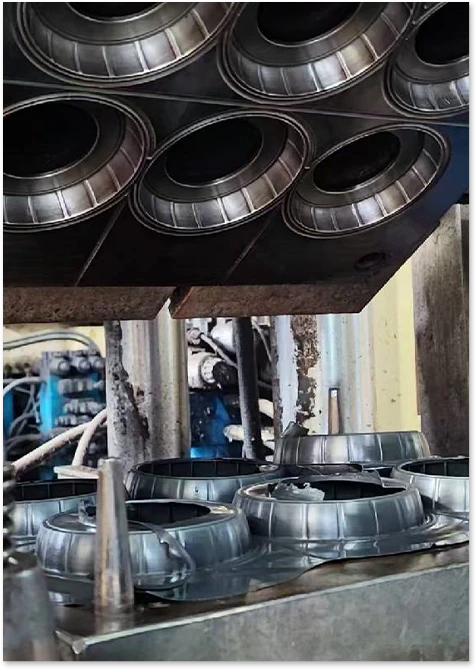
The foundation of 20mm HDPE pipe fittings lies in the material itself: High-Density Polyethylene (HDPE). HDPE is a thermoplastic polymer derived from the polymerization of ethylene. Its high density (typically between 0.93 and 0.97 g/cm³) contributes to its superior strength, rigidity, and chemical resistance compared to lower-density polyethylene variants. The raw material typically comprises HDPE resin, along with additives such as stabilizers (to prevent degradation from UV exposure and oxidation), carbon black (for UV protection and enhanced rigidity), and potentially colorants. Manufacturing processes vary depending on the fitting type (e.g., elbow, tee, coupler). Injection molding is the most common method for producing smaller fittings. Granular HDPE resin is heated to its molten state and injected under high pressure into a precisely machined mold cavity. Critical parameters during injection molding include melt temperature (180-250°C), mold temperature (30-60°C), injection pressure (typically 70-150 MPa), and cooling rate. Butt fusion welding is used to join larger diameter fittings or to attach fittings directly to the pipe. This process involves heating both the fitting and pipe surfaces to a semi-molten state and then pressing them together, creating a homogenous weld. Control of heating temperature (typically 120-140°C) and welding pressure are essential to achieve a strong and leak-proof joint. Electrofusion welding, a variation of butt fusion, uses electrical resistance heating to create the weld, offering more precise control and suitability for smaller diameter fittings.
Performance & Engineering
The performance of 20mm HDPE pipe fittings is fundamentally governed by their ability to withstand internal pressure and external loads while maintaining a leak-proof seal. Force analysis centers on hoop stress induced by internal pressure; the fitting’s geometry and wall thickness are engineered to ensure the hoop stress remains below the material’s yield strength. Environmental resistance is also critical. HDPE exhibits excellent resistance to most chemicals, but prolonged exposure to strong oxidizing agents can lead to degradation. UV exposure can cause embrittlement, necessitating the use of carbon black or UV stabilizers in the material formulation. Long-term hydrostatic strength (LTHS) is a key performance parameter, representing the maximum sustained pressure the fitting can withstand over a specified service life (typically 50 years). LTHS is determined through accelerated aging tests conducted in accordance with standards like ISO 1167. Compliance requirements include adherence to pressure ratings (PN6, PN10, PN16 are common for 20mm fittings), temperature limitations (typically -40°C to +60°C, but can vary depending on material grade), and conformity to relevant standards for potable water contact (NSF/ANSI 61) or gas conveyance (EN 1555-3). Furthermore, fittings must exhibit dimensional accuracy to ensure proper interfacing with HDPE pipes and other fittings, minimizing the risk of leakage or joint failure. Fatigue resistance is crucial in applications involving cyclical pressure changes or vibrations.
Technical Specifications
| Parameter | Unit | Typical Value (20mm HDPE Fitting) | Test Standard |
|---|---|---|---|
| Nominal Diameter | mm | 20 | ISO 14236 |
| Pressure Rating (PN) | bar | 10 or 16 | ISO 14236 |
| Operating Temperature | °C | -40 to +60 | ASTM D1598 |
| Material | - | HDPE (PE100 or PE80) | ISO 4437 |
| Density | g/cm³ | 0.93 - 0.97 | ASTM D1505 |
| Hydrostatic Strength (LTHS) | MPa | ≥8 | ISO 1167 |
Failure Mode & Maintenance
Failure modes in 20mm HDPE pipe fittings can be broadly categorized into mechanical, chemical, and environmental failures. Mechanical failures include cracking due to overpressure, impact damage during installation or operation, and fatigue cracking from cyclical loading. Creep rupture, a time-dependent failure under sustained stress, can occur at elevated temperatures. Chemical failures arise from exposure to incompatible fluids, leading to material degradation, swelling, or cracking. Environmental failures encompass UV degradation (causing embrittlement and cracking), oxidation (leading to loss of mechanical properties), and slow crack growth (SCG) in the presence of specific chemicals and stress. Failure analysis often involves visual inspection (identifying cracks, deformation, or discoloration), non-destructive testing (NDT) such as ultrasonic testing or radiography (to detect internal flaws), and material testing (measuring mechanical properties and chemical resistance). Preventive maintenance includes regular visual inspections for signs of damage or degradation. Proper installation is crucial – avoiding excessive bending or stress concentration during assembly. Protecting fittings from direct sunlight and extreme temperatures can extend their service life. In cases of minor damage, repair using compatible HDPE welding techniques (butt fusion or electrofusion) may be possible, but should be performed by qualified personnel. For significant damage or evidence of SCG, the fitting should be replaced entirely. Periodic pressure testing can verify the integrity of the pipeline system.
Industry FAQ
Q: What is the impact of surge pressure on 20mm HDPE fittings, and how can it be mitigated?
A: Surge pressure, or water hammer, can significantly stress HDPE fittings, potentially leading to cracking or joint failure. It occurs due to sudden changes in flow velocity, often caused by rapid valve closure. Mitigation strategies include using slow-closing valves, installing surge arrestors (pressure relief valves or air chambers), and optimizing pipeline layout to minimize flow velocity changes. The pressure rating (PN) of the fitting must exceed the maximum anticipated surge pressure.
Q: How does the choice of HDPE resin grade (PE80 vs. PE100) affect the long-term performance of fittings?
A: PE100 resin offers superior long-term hydrostatic strength (LTHS) and crack resistance compared to PE80. This translates to a longer service life and increased reliability, especially in demanding applications involving higher pressures or temperatures. While PE80 fittings are more cost-effective upfront, PE100 generally provides a better total cost of ownership due to reduced maintenance and replacement frequency.
Q: What are the common causes of slow crack growth (SCG) in HDPE fittings, and how can they be prevented?
A: SCG is a time-dependent failure mechanism initiated by the combined effect of sustained stress, specific chemicals (e.g., detergents, some solvents), and environmental factors. Prevention involves selecting fittings made from high-quality HDPE resins with good SCG resistance, avoiding contact with incompatible chemicals, minimizing stress concentration during installation, and ensuring proper UV protection.
Q: Can 20mm HDPE fittings be used in direct burial applications, and what considerations are important?
A: Yes, HDPE fittings are suitable for direct burial. However, adequate backfill compaction is essential to provide uniform support and prevent stress concentration. The fitting should be protected from sharp objects that could cause mechanical damage. Consideration must also be given to thermal expansion and contraction of the pipe and fittings due to temperature fluctuations; sufficient flexibility should be incorporated into the installation to accommodate these movements.
Q: What is the recommended torque for tightening threaded HDPE fittings, and what are the risks of over- or under-tightening?
A: Recommended torque values vary depending on the fitting size and material. Manufacturers typically provide specific torque specifications. Over-tightening can cause thread stripping or cracking of the fitting body, while under-tightening can lead to leakage. Using a calibrated torque wrench is crucial to ensure proper tightening.
Conclusion
20mm HDPE pipe fittings represent a robust and versatile solution for fluid conveyance systems, offering a compelling combination of durability, chemical resistance, and cost-effectiveness. Their performance is intrinsically linked to the material properties of HDPE, manufacturing precision, and adherence to established industry standards. Understanding the potential failure modes – encompassing mechanical stress, chemical attack, and environmental degradation – is paramount for ensuring long-term system reliability.
Looking forward, ongoing advancements in HDPE resin technology, coupled with improved welding techniques and enhanced quality control measures, will further elevate the performance and lifespan of 20mm HDPE pipe fittings. Implementing comprehensive preventative maintenance programs, including regular inspections and appropriate repair procedures, will remain critical to maximizing the return on investment and minimizing operational downtime across diverse industrial applications.