
Introduction
2-inch plastic caster wheels are ubiquitous components in a wide array of material handling and mobility applications, ranging from furniture and small equipment to industrial carts and display stands. Technically categorized as low-load, non-powered material transport devices, their performance hinges critically on the interplay between polymer selection, manufacturing precision, and load distribution. This guide provides a comprehensive technical overview of these wheels, addressing material science, manufacturing processes, performance characteristics, failure modes, and relevant industry standards. The primary industry pain points addressed are premature wear, load capacity limitations, susceptibility to chemical degradation, and inconsistent performance due to variations in manufacturing quality. Understanding these aspects is crucial for procurement professionals and engineers seeking optimal caster wheel solutions for demanding applications.
Material Science & Manufacturing
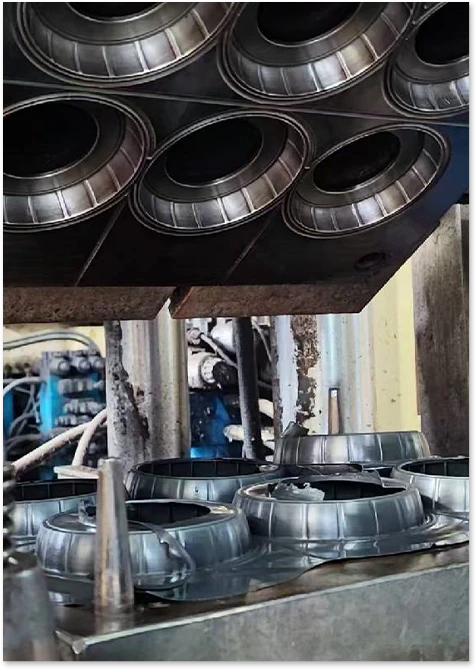
The dominant material used in 2-inch plastic caster wheels is polypropylene (PP), chosen for its cost-effectiveness, impact resistance, and ease of processing. However, varying applications demand alternative polymers such as nylon (polyamide, PA6 or PA66) for enhanced wear resistance and load capacity, polyurethane (PU) for superior shock absorption and floor protection, and polyvinyl chloride (PVC) for applications requiring chemical resistance. The raw material’s molecular weight distribution and additives (stabilizers, lubricants, colorants) significantly influence the final product’s performance. Manufacturing predominantly utilizes injection molding. This process involves injecting molten polymer into a pre-designed mold cavity. Key parameters requiring tight control include melt temperature, injection pressure, cooling rate, and mold temperature. Variations in these parameters lead to inconsistencies in density, crystallinity, and dimensional accuracy. Post-molding operations typically include deburring and, in some cases, surface hardening treatments to improve wear characteristics. The wheel core, often also polypropylene, is integrally molded with the tread, or press-fit with a metal stem for mounting. Stem material is typically zinc-plated steel to resist corrosion. Ensuring proper adhesion between the tread and core is vital to prevent delamination under load.

Performance & Engineering
Performance assessment of 2-inch plastic caster wheels revolves around several key engineering parameters. Load capacity, typically specified in pounds or kilograms, is determined by the wheel's material, geometry (wheel diameter, tread width), and core strength. Static load capacity dictates the maximum weight the wheel can support at rest, while dynamic load capacity considers the impact loading during movement. Force analysis reveals that stress concentrations occur at the axle interface and around the wheel’s perimeter during rolling. Finite Element Analysis (FEA) is employed to optimize wheel geometry and material distribution to minimize these stresses. Environmental resistance is also paramount. Exposure to UV radiation, temperature extremes, and various chemicals can cause polymer degradation, leading to embrittlement, cracking, and reduced performance. Polypropylene, while generally resistant to many chemicals, is susceptible to degradation by strong acids and oxidizing agents. Nylon exhibits good resistance to oils and greases but absorbs moisture, potentially affecting dimensional stability. Compliance requirements often dictate the use of specific materials and construction methods. For example, applications in the food processing industry may necessitate FDA-compliant materials. Rolling resistance, a measure of the force required to maintain motion, is minimized through precise bearing selection and wheel roundness. Bearing types include plain bearings (typically polymer bushings) and ball bearings (for higher load and speed applications).
Technical Specifications
| Parameter | Polypropylene (PP) | Nylon (PA6) | Polyurethane (PU) | PVC |
|---|---|---|---|---|
| Maximum Load Capacity (lbs) | 88 - 176 | 132 - 264 | 110 - 330 | 66 - 132 |
| Hardness (Shore D) | 60-70 | 70-80 | 80-95 | 80-85 |
| Operating Temperature (°F) | 32 - 176 | 32 - 212 | 32 - 194 | 32 - 140 |
| Coefficient of Friction | 0.15 - 0.25 | 0.20 - 0.30 | 0.05 - 0.15 | 0.18 - 0.28 |
| Impact Strength (Izod Notched, ft-lb/in) | 8 - 12 | 10 - 15 | 15 - 20 | 5 - 8 |
| Chemical Resistance | Good (except strong acids) | Good (oils, greases) | Excellent (most chemicals) | Good (acids, alkalis) |
Failure Mode & Maintenance
Common failure modes in 2-inch plastic caster wheels include tread wear, cracking, wheel deformation, and bearing failure. Tread wear is primarily caused by abrasive contact with the floor surface and is accelerated by high loads and rough surfaces. Cracking can result from UV exposure, chemical attack, or impact damage. Wheel deformation occurs when the load exceeds the wheel’s structural capacity, leading to flattening or permanent set. Bearing failure manifests as increased rolling resistance, noise, or complete immobilization. Fatigue cracking can also occur in the stem, particularly in zinc-plated steel, due to cyclical loading. Preventive maintenance involves regular inspection for wear, cracks, and deformation. Lubricating the bearings with a silicone-based lubricant reduces friction and extends their lifespan. Cleaning the wheels with mild soap and water removes contaminants that can accelerate wear. Replacing wheels exhibiting significant wear or damage is crucial to prevent catastrophic failure and potential safety hazards. In applications involving harsh chemicals, selecting chemically resistant materials is essential. Implementing a scheduled replacement program based on anticipated usage and load conditions further mitigates failure risks.
Industry FAQ
Q: What is the primary difference in performance between polypropylene and nylon caster wheels?
A: Nylon caster wheels offer significantly higher wear resistance and load capacity compared to polypropylene. While polypropylene is cost-effective and suitable for light-duty applications, nylon is preferred for environments with abrasive surfaces or heavier loads. However, nylon absorbs moisture, which can affect its dimensional stability, and it is generally more expensive than polypropylene.
Q: How does UV exposure affect the lifespan of plastic caster wheels?
A: Prolonged exposure to UV radiation degrades the polymer structure, leading to embrittlement, cracking, and reduced load capacity. Polypropylene is particularly susceptible to UV degradation. Adding UV stabilizers to the polymer formulation can mitigate this effect, but even stabilized materials have a limited service life in direct sunlight.
Q: What are the critical factors to consider when selecting caster wheels for use in a chemical processing plant?
A: Chemical resistance is the paramount concern. Polyurethane caster wheels generally offer the broadest chemical resistance, followed by PVC. Polypropylene is suitable for many common chemicals but is vulnerable to strong acids and oxidizing agents. Material Safety Data Sheets (MSDS) should be consulted to ensure compatibility between the wheel material and the chemicals present.
Q: What type of bearing is best suited for high-speed applications?
A: Ball bearings are generally preferred for high-speed applications due to their lower rolling resistance compared to plain polymer bushings. Ball bearings require periodic lubrication to maintain optimal performance and prevent premature wear.
Q: How can I prevent premature failure of the caster wheel stem?
A: Ensure the stem is properly secured to the wheel core. Avoid exceeding the rated load capacity, as this subjects the stem to excessive stress. For applications with frequent vibration or impact loading, consider using a stem made from a more durable material, such as stainless steel, and ensuring it has a robust zinc plating. Regular inspection for signs of corrosion or fatigue cracking is also recommended.
Conclusion
2-inch plastic caster wheels, despite their seemingly simple design, involve a complex interplay of material science, manufacturing precision, and engineering considerations. Selecting the appropriate material – polypropylene, nylon, polyurethane, or PVC – is crucial, dictated by factors such as load capacity, environmental conditions, and chemical exposure. Careful attention to manufacturing parameters, such as injection molding temperature and cooling rates, ensures dimensional accuracy and structural integrity. Understanding common failure modes, including tread wear, cracking, and bearing failure, allows for proactive maintenance and extends service life.
Ultimately, the optimal caster wheel selection requires a holistic approach, encompassing a thorough assessment of application-specific requirements and a detailed understanding of the performance characteristics of each available material and construction method. Continued advancements in polymer technology and manufacturing processes are driving the development of increasingly durable, efficient, and cost-effective 2-inch plastic caster wheel solutions, meeting the evolving needs of a diverse range of industries.