
Introduction
19mm PVC pipe fittings represent a critical component within fluid handling systems across diverse industries including irrigation, plumbing, chemical processing, and wastewater management. Designated by its 19mm nominal diameter (approximately ¾ inch), this fitting size facilitates connections between PVC pipes, enabling the efficient and reliable transport of liquids and gases. Its position within the industry chain is fundamental – acting as the interface between linear pipe runs and complex system geometries. Core performance characteristics are defined by pressure rating, leak-proof sealing, chemical resistance, and ease of installation, addressing key industry pain points regarding long-term system integrity and maintenance costs. These fittings are typically manufactured via injection molding or extrusion, and are crucial for ensuring system performance complies with relevant safety and environmental standards.
Material Science & Manufacturing
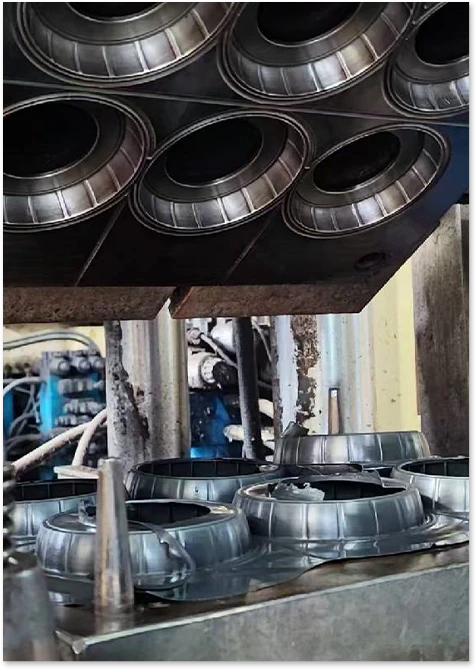
The foundational material for 19mm PVC pipe fittings is Polyvinyl Chloride (PVC), a thermoplastic polymer composed of vinyl chloride monomers. Raw PVC exhibits inherent rigidity, making it suitable for pressure-bearing applications. However, plasticizers, typically phthalates or alternatives like DINCH, are incorporated during compounding to enhance flexibility and impact resistance. Stabilizers, such as tin-based or calcium-zinc compounds, mitigate thermal degradation during processing and extend service life. Fillers, including calcium carbonate, are added to reduce cost and improve certain mechanical properties. Manufacturing commences with PVC resin blending, followed by extrusion or injection molding. Extrusion is common for producing straight fittings like couplings and sections of pipe, leveraging a continuous process to form the desired shape. Injection molding is preferred for complex geometries like elbows, tees, and valves. Critical parameters include melt temperature (typically 180-210°C), mold temperature (30-60°C), injection pressure (60-90 MPa), and cooling rate. Precise control of these parameters is vital to prevent defects such as warping, sink marks, and weld lines. Post-molding operations involve trimming, deburring, and quality inspection. Chemical compatibility is essential; PVC exhibits excellent resistance to acids, bases, and salts, but is susceptible to degradation by aromatic hydrocarbons and ketones.
Performance & Engineering
The performance of 19mm PVC pipe fittings is heavily reliant on their ability to withstand internal pressure and external loads. Force analysis, including hoop stress calculations, determines the maximum allowable operating pressure based on wall thickness and fitting geometry. The pressure rating is typically denoted in PSI or bar, with common ratings ranging from 100 PSI to 300 PSI, depending on the schedule (thickness) of the PVC. Environmental resistance is a crucial consideration, particularly UV exposure and temperature fluctuations. Prolonged UV exposure can lead to embrittlement and discoloration. UV stabilizers are incorporated into the PVC formulation to mitigate this effect. Temperature extremes can affect the material’s mechanical properties; PVC becomes brittle at low temperatures and may soften at high temperatures. Compliance requirements dictate adherence to specific standards related to water quality (NSF/ANSI 61), chemical resistance, and pressure testing (ASTM D2412). Functional implementation involves solvent welding, a chemical bonding process utilizing PVC cement to create a homogenous joint. Proper surface preparation and cement application are critical for achieving a leak-proof seal. Threaded fittings require PTFE tape or a sealant to ensure a tight connection.
Technical Specifications
| Parameter | Unit | Typical Value | Testing Standard |
|---|---|---|---|
| Nominal Diameter | mm | 19 | ISO 10685 |
| Pressure Rating | PSI | 150 | ASTM D2412 |
| Operating Temperature Range | °C | -10 to 60 | ASTM D2412 |
| Tensile Strength | MPa | 55 | ASTM D638 |
| Impact Strength (Izod Notched) | J/m | 500 | ASTM D256 |
| Water Absorption (24hr) | % | <0.1 | ASTM D570 |
Failure Mode & Maintenance
Common failure modes in 19mm PVC pipe fittings include cracking due to excessive stress, particularly at joint locations; crazing caused by environmental stress cracking (ESC) induced by exposure to certain chemicals; and degradation due to prolonged UV exposure. Fatigue cracking can occur in fittings subjected to cyclical pressure fluctuations. Delamination may occur in fittings with inadequate bonding during manufacturing. Oxidation, while relatively slow in PVC, can lead to embrittlement over extended periods. Failure analysis often reveals root causes related to improper installation (insufficient solvent welding, over-tightening of threaded connections), exceeding pressure ratings, or exposure to incompatible chemicals. Maintenance strategies focus on regular visual inspections for cracks, leaks, or discoloration. Preventative measures include protecting fittings from direct sunlight with shielding or coatings, ensuring proper grounding to prevent static discharge, and avoiding exposure to incompatible chemicals. For minor leaks, application of a PVC repair cement can provide a temporary fix; however, complete replacement is recommended for significant damage. Periodic pressure testing can proactively identify potential weak points in the system. Adherence to manufacturer’s guidelines regarding installation and operating conditions is paramount.
Industry FAQ
Q: What is the impact of water hammer on 19mm PVC fittings, and how can it be mitigated?
A: Water hammer, the pressure surge resulting from abrupt changes in fluid flow, can induce significant stress on PVC fittings, leading to cracking or joint failure. Mitigation strategies include installing air chambers or surge suppressors to absorb the pressure wave, using slow-closing valves, and properly securing the piping system to prevent movement.
Q: What are the limitations of using solvent cement for joining 19mm PVC fittings, and are there alternative joining methods?
A: Solvent cement requires careful surface preparation and appropriate application technique for a reliable bond. Limitations include sensitivity to temperature and humidity, potential for volatile organic compound (VOC) emissions, and the need for a curing time. Alternatives include threaded connections (with PTFE tape), mechanical couplings, or heat fusion welding for larger diameter pipes.
Q: How does the chemical composition of the fluid being transported affect the long-term performance of the PVC fitting?
A: The chemical compatibility of PVC is crucial. Exposure to aggressive chemicals such as aromatic hydrocarbons, ketones, and strong oxidizing agents can cause swelling, degradation, and eventual failure. It's essential to verify the chemical resistance of PVC against the specific fluid being conveyed.
Q: What is the acceptable level of UV exposure for outdoor 19mm PVC fittings, and what protective measures are recommended?
A: Prolonged UV exposure causes embrittlement and discoloration. While PVC contains UV stabilizers, extended exposure will still lead to degradation. Protective measures include painting with a UV-resistant coating, using UV-shielding conduits, or selecting PVC formulations with higher levels of UV stabilizers.
Q: What is the significance of the “Schedule” designation (e.g., Schedule 40, Schedule 80) for 19mm PVC fittings?
A: The Schedule designation refers to the wall thickness of the fitting. Higher schedule numbers (e.g., Schedule 80) indicate thicker walls and, consequently, higher pressure ratings and greater resistance to impact. Selecting the appropriate schedule is crucial based on the operating pressure and application requirements.
Conclusion
19mm PVC pipe fittings represent a reliable and cost-effective solution for fluid handling in numerous applications. Their performance is intrinsically linked to material science considerations – the PVC formulation, manufacturing processes, and environmental factors. Understanding the intricacies of these elements is crucial for ensuring long-term system integrity and minimizing potential failure modes.
Proper selection, installation, and maintenance, guided by established industry standards and best practices, are essential for maximizing the service life and operational efficiency of 19mm PVC piping systems. Ongoing research and development continue to refine PVC formulations and manufacturing techniques, enhancing their resistance to environmental degradation and expanding their range of applications.