
Introduction
16-inch plastic wheels represent a cost-effective and lightweight solution for a wide range of mobile equipment applications, including carts, dollies, rolling cabinets, and certain types of recreational vehicles. These wheels typically function as a direct replacement for metal or rubber alternatives, offering benefits such as corrosion resistance, reduced noise, and lower weight. Their performance is dictated by the specific polymer used in their construction, the manufacturing process, and the design features incorporated to manage load capacity and wear. This guide provides an in-depth examination of 16-inch plastic wheel technology, covering material science, manufacturing processes, performance characteristics, failure modes, and relevant industry standards. A key pain point in industry is ensuring the plastic material selection delivers adequate load-bearing capacity and resistance to degradation in the intended operating environment. Furthermore, maintaining dimensional stability under varying temperatures and loads is crucial for long-term performance.
Material Science & Manufacturing
The dominant materials used in 16-inch plastic wheel production are polypropylene (PP), polyethylene (PE), polyvinyl chloride (PVC), and more recently, engineered polymers like nylon (polyamide) and Acrylonitrile Butadiene Styrene (ABS). PP and PE are chosen for their low cost and good impact resistance, though they exhibit lower temperature resistance and strength. PVC provides increased rigidity and chemical resistance but can become brittle at low temperatures and is subject to environmental concerns regarding plasticizers. Nylon offers superior strength, wear resistance, and temperature stability, making it suitable for heavier-duty applications. ABS offers a balance of impact resistance, strength, and processability. The raw material selection process heavily impacts the wheel’s final properties.
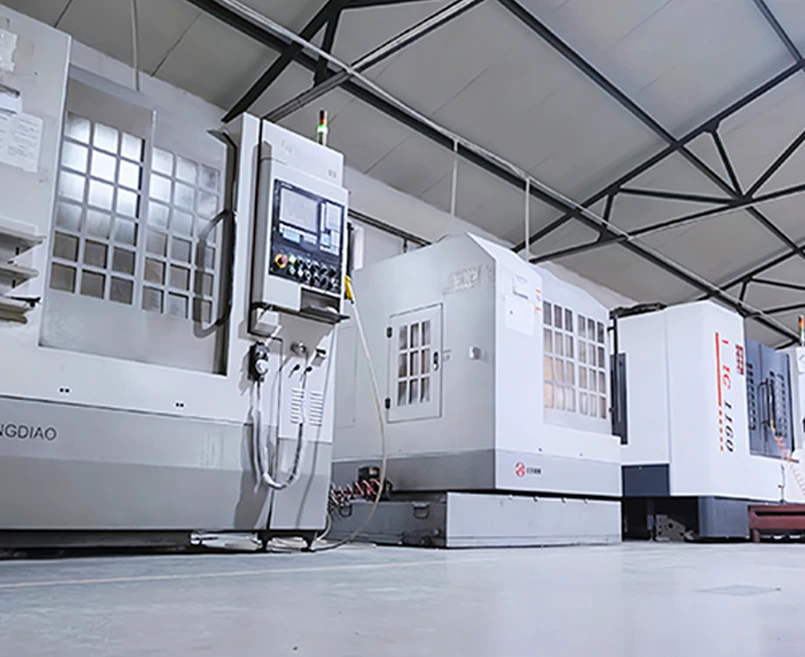
Manufacturing processes typically include injection molding. This involves injecting molten plastic material under high pressure into a wheel-shaped mold cavity. Critical parameters include melt temperature, injection pressure, cooling rate, and mold temperature. Proper control of these parameters is essential to achieve consistent dimensions, prevent warping, and ensure complete filling of the mold. Extrusion is also used to create wheel treads or tires which are then assembled onto a plastic hub. For nylon wheels, reinforcement with glass fiber is common during the injection molding process to further enhance strength and stiffness. Post-molding operations may include deburring, surface finishing, and insertion of bearings or other hardware. The consistency of the polymer mix and the control of the cooling process are central to avoiding internal stresses that lead to premature failure.
Performance & Engineering
The performance of a 16-inch plastic wheel is primarily governed by its load-carrying capacity, rolling resistance, wear resistance, and resistance to environmental factors. Load capacity is a function of the wheel’s material, geometry (spoke design, rim thickness), and the presence of any reinforcing elements. Force analysis under static and dynamic loading conditions is crucial for determining the stress distribution within the wheel and identifying potential failure points. Rolling resistance, which impacts the energy required to move the equipment, is influenced by the wheel’s material, surface finish, and tire profile (if applicable). Wear resistance is dictated by the polymer’s inherent abrasion resistance and the operating environment.
Engineering considerations include dimensional stability under varying temperatures and loads. Coefficient of thermal expansion varies significantly between polymer types; therefore, temperature fluctuations can lead to dimensional changes affecting bearing fit and wheel performance. Compliance requirements, such as RoHS (Restriction of Hazardous Substances) and REACH (Registration, Evaluation, Authorisation and Restriction of Chemicals) regulations, dictate the permissible substances used in the wheel’s construction. The design of the wheel’s hub and the integration with the bearing system are critical for ensuring smooth rotation and minimizing friction. Finite Element Analysis (FEA) is often employed to optimize wheel geometry and material selection to maximize performance and minimize weight.
Technical Specifications
| Material | Diameter (inches) | Load Capacity (lbs) | Durometer (Shore D) |
|---|---|---|---|
| Polypropylene (PP) | 16 | 200 | 65 |
| Polyethylene (PE) | 16 | 150 | 60 |
| Polyvinyl Chloride (PVC) | 16 | 250 | 80 |
| Nylon 6/6 | 16 | 400 | 70 |
| ABS | 16 | 300 | 75 |
| Glass-Filled Nylon | 16 | 500 | 75 |
Failure Mode & Maintenance
Common failure modes for 16-inch plastic wheels include fatigue cracking, especially around stress concentration points such as spoke junctions and bearing seats. This is often caused by repeated loading and unloading cycles. Impact damage can lead to chipping or complete fracture, particularly at low temperatures. Environmental degradation, such as UV exposure and chemical attack, can cause embrittlement and loss of mechanical properties. Creep, the time-dependent deformation under constant load, can occur, especially in polymers with lower glass transition temperatures. Wear and abrasion lead to a reduction in wheel diameter and changes in rolling characteristics. Delamination can occur in composite wheels if bonding between layers is compromised.
Maintenance procedures should include regular inspection for cracks, chips, and signs of wear. Lubrication of bearings is crucial to minimize friction and prevent premature failure. Cleaning the wheels to remove dirt, debris, and chemical contaminants can help prolong their lifespan. Avoid overloading the wheels beyond their specified load capacity. In harsh environments, consider using wheels made from more chemically resistant polymers. If fatigue cracking is detected, the wheel should be replaced immediately. Proper storage away from direct sunlight and extreme temperatures can also help prevent degradation.
Industry FAQ
Q: What is the impact of temperature on the load capacity of a PVC plastic wheel?
A: PVC experiences a significant decrease in impact strength and stiffness at lower temperatures. This translates to a reduction in its load-carrying capacity. At temperatures below freezing, PVC can become brittle and prone to fracture under load. It is crucial to select a wheel material suitable for the expected operating temperature range. For colder environments, Nylon or ABS would be a more appropriate choice.
Q: How does glass fiber reinforcement affect the performance of a nylon wheel?
A: The addition of glass fiber significantly increases the stiffness, strength, and dimensional stability of nylon. It also improves the wheel’s resistance to creep and wear. However, glass fiber reinforcement can also make the nylon more brittle and potentially more susceptible to impact damage. The percentage of glass fiber used is a crucial parameter in balancing these properties.
Q: What are the primary considerations when selecting a wheel material for exposure to chemicals?
A: The chemical resistance of the wheel material must be carefully evaluated based on the specific chemicals it will encounter. PVC generally offers good resistance to acids and alkalis, but it is susceptible to attack by certain solvents. Polypropylene and polyethylene have good resistance to many chemicals, but they may swell or degrade in the presence of strong oxidizers. Nylon exhibits good resistance to oils and fuels but can be affected by strong acids and bases.
Q: What is the significance of the Durometer rating for a plastic wheel?
A: The Durometer rating indicates the hardness of the plastic material. A higher Durometer value indicates a harder material, which generally offers better wear resistance but may have lower impact absorption. A lower Durometer value indicates a softer material, which provides better cushioning and shock absorption but may wear more quickly. The optimal Durometer rating depends on the application and the desired balance between wear resistance and cushioning.
Q: How important is the bearing selection for the overall performance and lifespan of the wheel?
A: Bearing selection is critical. The bearing must be appropriately sized for the wheel’s load capacity and operating speed. The bearing material should be compatible with the wheel material to prevent corrosion or galvanic reactions. Regular lubrication is essential to minimize friction and prevent bearing failure. Sealed bearings are recommended for applications where contamination is a concern.
Conclusion
16-inch plastic wheels provide a versatile and cost-effective solution for numerous mobile equipment applications. The choice of material – polypropylene, polyethylene, PVC, nylon, or ABS – dictates the wheel's performance characteristics, impacting load capacity, temperature resistance, and chemical compatibility. Successful implementation demands careful consideration of manufacturing parameters, especially in injection molding, to ensure dimensional accuracy and structural integrity.
Moving forward, advancements in polymer technology, such as the development of reinforced thermoplastic composites, will likely lead to even higher-performance plastic wheels. Emphasis on sustainable materials and circular economy principles will drive the development of recyclable and bio-based plastic wheel options. Continued refinement of wheel designs and bearing systems will further optimize rolling resistance, wear resistance, and overall lifespan, addressing key industry pain points related to durability and operational efficiency.