
Introduction
15mm grey plastic pipe fittings are integral components in low-pressure fluid transfer systems, predominantly utilized in potable water, irrigation, and drainage applications. Commonly manufactured from Polyvinyl Chloride (PVC), Polypropylene (PP), or Polyethylene (PE), these fittings provide a cost-effective and corrosion-resistant alternative to metallic counterparts. Their standardized dimensions ensure compatibility across various piping systems, contributing to ease of installation and maintenance. The color grey often indicates the material composition (typically PVC) and distinguishes them from other piping systems. This guide provides an in-depth analysis of their material science, manufacturing processes, performance characteristics, potential failure modes, and relevant industry standards, catering to the needs of engineers, procurement managers, and maintenance personnel within the construction, agricultural, and plumbing sectors. A key industry pain point is ensuring long-term reliability and leak-free performance, requiring careful material selection and adherence to best practices.
Material Science & Manufacturing
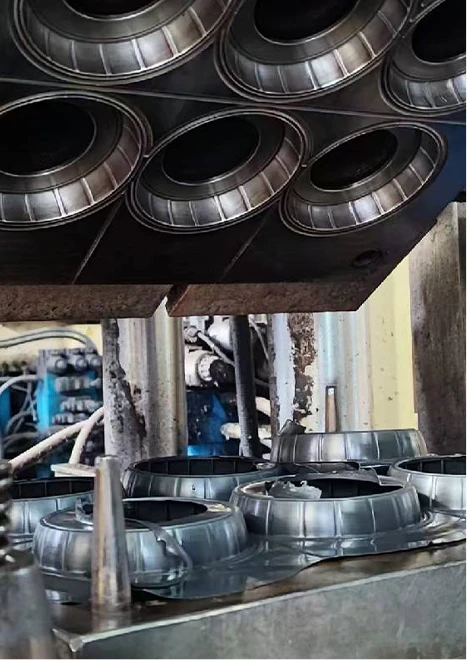
The predominant material used in 15mm grey plastic pipe fittings is Polyvinyl Chloride (PVC). PVC exhibits excellent chemical resistance, low cost, and ease of processing. Its molecular structure consists of repeating vinyl chloride units, conferring rigidity and durability. Other materials, such as Polypropylene Random Copolymer (PPR) and Polyethylene (PE), are also employed depending on the application’s specific requirements; PPR offers higher temperature resistance while PE boasts greater flexibility. The manufacturing process typically begins with the compounding of PVC resin with stabilizers (e.g., calcium-zinc stabilizers replacing lead-based ones for environmental reasons), lubricants, and impact modifiers. This compound is then fed into an extruder, where it's heated and forced through a die to form a continuous profile. This profile is subsequently cut to length and cooled. Injection molding is the common method for producing fittings with complex geometries like elbows, tees, and couplings. Critical parameters during injection molding include melt temperature (typically 180-200°C for PVC), mold temperature (30-50°C), and injection pressure (60-90 MPa). Maintaining consistent cooling rates is essential to minimize warping and internal stresses. The grey coloration is achieved through the addition of titanium dioxide and other pigments during the compounding stage. Material purity and proper compounding are crucial to prevent premature degradation and maintain mechanical properties.
Performance & Engineering
The performance of 15mm grey plastic pipe fittings is governed by several key engineering considerations. Pressure rating, typically ranging from PN10 to PN16 (corresponding to 1.0 MPa to 1.6 MPa), is a critical parameter determined by hydrostatic pressure testing according to standards like EN 12371. The fittings must withstand sustained pressure without failure or deformation. Impact resistance, particularly at low temperatures, is essential to prevent cracking during installation or operation. This is quantified using impact tests like the Charpy impact test (ISO 148-M). Environmental stress cracking resistance (ESCR) is a significant concern, as exposure to certain chemicals and prolonged stress can lead to premature failure. ESCR is assessed through standardized testing involving exposure to detergents, solvents, and other aggressive media. Thermal expansion and contraction are also important factors; PVC has a relatively high coefficient of thermal expansion, requiring consideration in system design to prevent stress buildup and potential leaks. Force analysis during assembly requires understanding the torque applied during tightening, ensuring adequate thread engagement without overstressing the material. Furthermore, UV resistance is critical for outdoor applications; UV degradation can embrittle the material, reducing its long-term performance. Incorporating UV stabilizers into the PVC compound mitigates this issue.
Technical Specifications
| Parameter | PVC (Typical) | PPR (Typical) | PE (Typical) | Unit |
|---|---|---|---|---|
| Nominal Diameter | 15 mm | 15 mm | 15 mm | mm |
| Pressure Rating | PN10/PN16 | PN20 | PN6/PN10 | MPa |
| Tensile Strength | 50-60 | 35-45 | 20-30 | MPa |
| Elongation at Break | 20-30 | 150-300 | 300-800 | % |
| Water Absorption (24hr) | <0.1 | <0.05 | <0.05 | % |
| Operating Temperature Range | 0-60 | -20-95 | -40-60 | °C |
Failure Mode & Maintenance
Common failure modes in 15mm grey plastic pipe fittings include cracking due to excessive stress, particularly during installation or thermal cycling. Environmental stress cracking (ESCR) is a prevalent issue, often initiated at stress concentration points like threads or sharp corners. UV degradation can lead to embrittlement and cracking in outdoor applications. Impact damage, especially at low temperatures, can cause brittle fracture. Furthermore, improper solvent welding (for PVC fittings) can result in weak joints prone to leakage. Deformation due to excessive heat or pressure can also compromise the fitting's integrity. Maintenance typically involves visual inspection for cracks, leaks, or discoloration. Regularly checking the tightness of threaded connections is crucial. For solvent-welded joints, verifying the weld integrity is important. If damage is detected, the fitting should be replaced immediately. Preventative maintenance includes protecting fittings from direct sunlight exposure (using UV-resistant coatings or shielding) and ensuring proper temperature control within the operating limits. Periodic hydrostatic testing can also verify the system's overall integrity. Analyzing failed fittings through fractographic analysis can help identify the root cause of failure and prevent future occurrences. Proper storage of fittings, avoiding direct sunlight and extreme temperatures, is also vital.
Industry FAQ
Q: What is the primary difference between PVC, PPR, and PE fittings in terms of suitability for hot water applications?
A: While PVC is generally not recommended for sustained hot water exposure (maximum temperature typically 60°C), PPR and PE offer superior thermal resistance. PPR fittings can handle temperatures up to 95°C, making them ideal for hot water distribution systems. PE fittings, while having a lower maximum temperature, are often used in underfloor heating systems. The choice depends on the specific temperature requirements of the application.
Q: How do you mitigate the risk of environmental stress cracking in PVC fittings?
A: Mitigating ESCR involves several strategies. Firstly, select fittings formulated with enhanced ESCR resistance. Secondly, avoid exposure to aggressive chemicals such as certain detergents and solvents. Thirdly, minimize stress concentration points during installation by using proper tightening torques and avoiding over-tightening. Finally, ensure that the piping system is adequately supported to prevent undue stress on the fittings.
Q: What are the key considerations when solvent welding PVC fittings?
A: Proper surface preparation is crucial – ensure the surfaces are clean, dry, and free of contaminants. Use the correct type of solvent cement recommended for the PVC material. Apply the cement evenly and avoid excessive application. Ensure proper ventilation during the process. Allow sufficient curing time before pressurizing the system. Following these steps ensures a strong, leak-proof joint.
Q: What is the significance of the PN rating on a pipe fitting?
A: The PN (Nominal Pressure) rating indicates the maximum sustained operating pressure the fitting can safely withstand at a specified temperature (typically 20°C). It is expressed in MPa (Megapascals) or bar. Selecting fittings with an appropriate PN rating is critical to ensure the system’s safety and prevent catastrophic failure.
Q: How does UV exposure affect the long-term performance of plastic pipe fittings, and what protective measures can be taken?
A: UV exposure degrades the polymer chains in plastic fittings, leading to embrittlement, discoloration, and reduced mechanical strength. To mitigate this, use fittings formulated with UV stabilizers. Alternatively, shield the fittings from direct sunlight using protective coverings or coatings. Regular inspection for signs of UV degradation is also recommended.
Conclusion
15mm grey plastic pipe fittings represent a versatile and cost-effective solution for low-pressure fluid transfer systems. Their performance relies heavily on the material selection – PVC being the most common, but with PPR and PE offering alternatives for specific temperature and flexibility requirements. Proper manufacturing processes, adherence to stringent quality control measures, and careful consideration of environmental factors like UV exposure and chemical compatibility are essential to ensure long-term reliability.
Future advancements in polymer technology will likely focus on developing enhanced UV-resistant formulations and materials with improved ESCR performance. Furthermore, integrating smart monitoring technologies into fittings could enable predictive maintenance and early detection of potential failures, optimizing system uptime and reducing overall lifecycle costs. A thorough understanding of the material properties, manufacturing nuances, and potential failure modes outlined in this guide is paramount for engineers and procurement professionals seeking to implement robust and durable piping systems.