

Introduction
12-inch plastic wheels are ubiquitous components in a broad spectrum of industrial and consumer applications, ranging from material handling equipment and robotic systems to children’s toys and garden carts. Their prevalence stems from a combination of factors including cost-effectiveness, lightweight construction, and resistance to corrosion. These wheels are typically manufactured from various thermoplastic polymers, selected based on required load capacity, durability, and operating environment. This technical guide provides an in-depth analysis of 12-inch plastic wheels, covering material science, manufacturing processes, performance characteristics, failure modes, and relevant industry standards. A primary pain point within industries utilizing these wheels lies in balancing initial cost with long-term operational reliability, particularly concerning wear resistance and load deformation under sustained stress. Understanding the nuances of polymer selection and manufacturing techniques is critical for mitigating these challenges.
Material Science & Manufacturing
The most common raw materials for 12-inch plastic wheels include Polypropylene (PP), Polyethylene (PE), Polyvinyl Chloride (PVC), Polyurethane (PU) and Nylon (Polyamide). PP and PE offer excellent chemical resistance and low cost but have lower load-bearing capacity and abrasion resistance. PVC provides higher rigidity and resistance to impact but is susceptible to UV degradation. Nylon demonstrates superior strength, wear resistance, and temperature resistance, making it suitable for demanding applications. Polyurethane, often used as a coating or insert, offers exceptional abrasion resistance and load capacity.
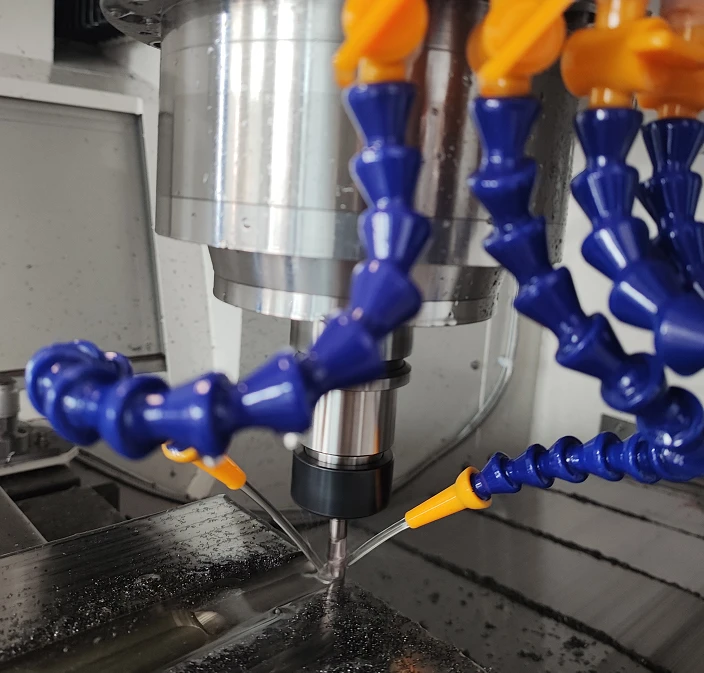
Manufacturing processes vary based on the chosen polymer. Injection molding is the dominant method, particularly for high-volume production. This process involves melting the polymer resin and injecting it under high pressure into a mold cavity. Critical parameters include melt temperature, injection pressure, cooling rate, and mold design. Improper control of these parameters can lead to defects such as warpage, sink marks, and weld lines. Blow molding is used for hollow wheel designs, creating a lightweight structure. Thermoforming is less common but suitable for larger, simpler wheel shapes. Post-molding operations often include deburring, surface finishing, and the insertion of bearings or bushings. The quality of the bearing interface is paramount to the wheel’s performance and longevity; tolerance control during bearing insertion is essential to prevent premature wear and wobble.
Performance & Engineering
The performance of 12-inch plastic wheels is dictated by several engineering factors. Load capacity is a primary concern, dictated by the wheel’s material properties (tensile strength, flexural modulus) and geometry (spoke design, rim thickness). Force analysis, often employing Finite Element Analysis (FEA), is used to predict stress distribution under load and optimize the wheel’s structural integrity. Environmental resistance is also critical; exposure to UV radiation, chemicals, and temperature fluctuations can degrade the polymer matrix, leading to cracking and reduced performance.
Compliance requirements often dictate material selection and performance characteristics. For example, wheels used in food processing applications must comply with FDA regulations regarding food contact materials. Wheels used in hazardous environments may require materials with specific fire resistance or static dissipative properties. Static load capacity, dynamic load capacity, and rolling resistance are all key performance indicators. The coefficient of restitution, which quantifies energy loss during impact, influences the wheel’s ability to absorb shocks and vibrations. Furthermore, dimensional stability over time and temperature is a crucial factor, particularly in precision applications where minimal deformation is required. Consideration must be given to the interaction between the wheel material and the floor surface; harder wheels perform better on smooth, hard surfaces, while softer wheels provide better traction and cushioning on uneven or softer surfaces.
Technical Specifications
| Material | Diameter (in) | Load Capacity (lbs) | Durometer (Shore A) |
|---|---|---|---|
| Polypropylene (PP) | 12 | 150 | 60 |
| Polyethylene (PE) | 12 | 100 | 55 |
| Polyvinyl Chloride (PVC) | 12 | 200 | 80 |
| Nylon (Polyamide) | 12 | 300 | 70 |
| Polyurethane (PU) | 12 | 400 | 95 |
| PP with PU Insert | 12 | 250 | 65/95 (PP/PU) |
Failure Mode & Maintenance
Common failure modes for 12-inch plastic wheels include fatigue cracking, particularly around spoke junctions and bearing interfaces, often initiated by stress concentrations. Wear and abrasion are significant concerns, especially in abrasive environments, leading to dimensional changes and reduced performance. UV degradation can cause embrittlement and cracking in PVC and other polymers exposed to sunlight. Chemical attack from solvents, acids, or bases can lead to swelling, softening, or dissolution of the polymer matrix. Delamination can occur in composite wheels, where layers of material separate due to inadequate bonding. Oxidation, particularly at elevated temperatures, can cause cross-linking and embrittlement.
Preventative maintenance includes regular inspection for cracks, wear, and deformation. Lubricating the bearings is essential to reduce friction and prevent premature wear. Cleaning the wheels to remove dirt, debris, and chemical contaminants can prolong their lifespan. Protecting the wheels from prolonged exposure to UV radiation and harsh chemicals is also crucial. If fatigue cracking is detected, the wheel should be replaced immediately. For minor wear, surface refurbishment techniques such as polishing or coating may be employed. Proper storage in a cool, dry environment can minimize degradation during periods of non-use. A failure analysis should be conducted on wheels that experience premature failure to identify the root cause and implement corrective actions.
Industry FAQ
Q: What is the impact of temperature on the load capacity of a 12-inch polypropylene wheel?
A: Elevated temperatures reduce the tensile strength and flexural modulus of polypropylene, directly decreasing its load capacity. The material becomes more pliable and susceptible to deformation under load. Operating beyond the material’s maximum service temperature can lead to catastrophic failure. Manufacturers typically provide load capacity derating factors for different temperatures in their technical datasheets.
Q: How does the type of bearing affect the lifespan of a plastic wheel?
A: The bearing type significantly impacts wheel lifespan. Plain bearings are cost-effective but require regular lubrication and are prone to wear. Roller bearings offer lower friction and higher load capacity but are more expensive. The bearing material (e.g., steel, nylon, ceramic) also plays a role; corrosion-resistant materials are preferred in harsh environments. Proper bearing fit and alignment are critical to prevent premature wear and wobble.
Q: What is the best material choice for a 12-inch wheel used in a chemical processing plant?
A: Nylon (Polyamide) is often the preferred choice for chemical processing environments due to its excellent chemical resistance to a wide range of acids, bases, and solvents. Polypropylene can also be suitable for less aggressive chemicals. However, it is essential to verify the material's compatibility with the specific chemicals present in the plant to prevent swelling, softening, or degradation.
Q: How can I prevent UV degradation of PVC wheels used outdoors?
A: PVC is susceptible to UV degradation. Applying a UV-resistant coating or using a PVC compound with UV stabilizers can significantly extend the wheel’s lifespan. Alternatively, consider using a different material such as nylon or polypropylene, which are inherently more resistant to UV degradation. Storing the wheels indoors when not in use is also recommended.
Q: What are the key considerations when selecting a wheel for a robotic application?
A: For robotic applications, factors such as precision, load capacity, and low rolling resistance are paramount. Nylon wheels with precision bearings are often preferred for their dimensional stability and smooth rolling characteristics. Consider the robot's speed and acceleration, as these factors can impose significant dynamic loads on the wheels. Ensure the wheel material is compatible with any lubricants or cleaning agents used in the robotic system.
Conclusion
12-inch plastic wheels represent a versatile and cost-effective solution for a wide array of industrial and consumer applications. However, optimal performance and longevity are contingent upon a thorough understanding of material properties, manufacturing processes, and potential failure modes. Careful material selection based on the operating environment, load requirements, and chemical exposure is crucial. Regular inspection and preventative maintenance are essential for identifying and addressing potential issues before they lead to catastrophic failure.
Future advancements in polymer technology, such as the development of enhanced UV-resistant and chemically-resistant compounds, will further expand the applicability of plastic wheels. Integration of smart sensors within the wheel structure to monitor load, temperature, and wear could enable predictive maintenance and optimize operational efficiency. Continued research into novel manufacturing techniques, like additive manufacturing, could allow for customized wheel designs tailored to specific application requirements.