
Introduction
Plastic wheels, specifically configurations supporting ten wheel assemblies, are ubiquitous in industrial material handling, conveyor systems, and specialized machinery. They represent a cost-effective alternative to metal wheels in applications where corrosion resistance, weight reduction, and noise dampening are paramount. This guide details the material science, manufacturing processes, performance characteristics, failure modes, and maintenance protocols associated with these components, providing a comprehensive technical overview for engineers, procurement managers, and maintenance personnel. Their technical positioning resides between simple casters and highly engineered bearing assemblies. Core performance criteria involve load capacity, wear resistance, coefficient of friction, and operational lifespan under varying environmental conditions. The increasing demand for lighter, quieter, and chemically inert wheel solutions is driving innovation in polymer chemistry and manufacturing techniques.
Material Science & Manufacturing
The dominant materials for 10-wheel plastic assemblies are engineering thermoplastics, primarily Polypropylene (PP), Polyethylene (PE), Polyvinyl Chloride (PVC), Acrylonitrile Butadiene Styrene (ABS), and Polyurethane (PU). PP and PE offer cost-effectiveness and good chemical resistance but possess lower strength and temperature resistance. PVC provides enhanced rigidity and resistance to abrasion, suitable for lighter loads. ABS delivers a balance of impact resistance and processability. PU excels in load-bearing capacity, abrasion resistance, and damping characteristics, often used in heavy-duty applications and as tire coatings. The choice depends heavily on anticipated loads, operating temperatures, and exposure to chemicals.
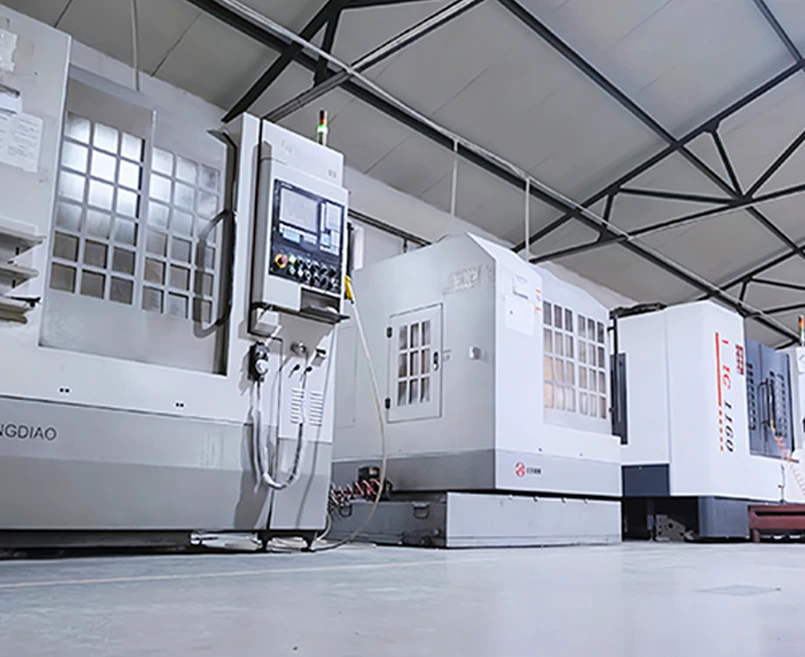
Manufacturing typically involves injection molding, a process where molten thermoplastic is injected into a closed mold cavity. Critical parameters include mold temperature, injection pressure, cooling rate, and material viscosity. Precise control of these parameters is essential to minimize warping, shrinkage, and internal stresses within the wheel. For PU wheels, a reaction injection molding (RIM) process is often employed, where liquid precursors react within the mold to form the solid polymer. Secondary operations often include machining for dimensional accuracy, surface finishing for reduced friction, and insertion molding for integrating bearings or metallic components. Fiber reinforcement (glass fiber, carbon fiber) is frequently added to enhance stiffness and strength. The melt flow index (MFI) of the plastic is a crucial specification, indicating its ease of processing and impact on final part properties. Polymer chain orientation during injection molding significantly affects anisotropic mechanical properties.
Performance & Engineering
The performance of 10-wheel plastic assemblies is governed by several key engineering principles. Load distribution across the ten wheels minimizes stress concentration on individual units. Force analysis must consider static loads, dynamic loads (impacts and vibrations), and radial loads. The wheel’s deflection under load is a critical parameter, influencing rolling resistance and bearing life. Environmental resistance is a major concern, particularly UV exposure, which can cause polymer degradation and embrittlement. Chemical compatibility dictates material selection based on exposure to solvents, acids, and bases. Coefficient of friction determines rolling efficiency and the required driving torque. For applications involving high speeds, centrifugal forces must be accounted for in the wheel design and material selection. Compliance requirements, such as RoHS and REACH, limit the use of hazardous substances in the plastic formulation. Finite Element Analysis (FEA) is frequently used to simulate stress distributions and optimize wheel geometry for maximum load capacity and durability. Bearing integration – the type of bearing, its preload, and lubrication – significantly influences overall system performance and longevity.
Technical Specifications
| Material | Diameter (mm) | Load Capacity (kg/wheel) | Hardness (Shore A) |
|---|---|---|---|
| Polypropylene (PP) | 50 | 15 | 60 |
| Polyethylene (PE) | 75 | 20 | 55 |
| PVC | 60 | 25 | 70 |
| ABS | 80 | 30 | 85 |
| Polyurethane (PU) | 100 | 50 | 90 |
| Glass Fiber Reinforced Nylon | 120 | 75 | 80 |
Failure Mode & Maintenance
Common failure modes for 10-wheel plastic assemblies include wear due to abrasion, fatigue cracking from cyclical loading, chemical degradation from exposure to corrosive substances, and thermal degradation at elevated temperatures. Wear is often characterized by gradual material loss, leading to reduced diameter and altered rolling characteristics. Fatigue cracking initiates at stress concentration points (e.g., mold seams, bearing seats) and propagates under repeated loading. Chemical degradation manifests as swelling, discoloration, or loss of mechanical properties. Thermal degradation causes embrittlement and cracking. Delamination can occur in composite materials due to insufficient bonding between layers.
Preventative maintenance involves regular inspection for wear, cracks, and chemical damage. Lubrication of bearings is crucial to reduce friction and extend bearing life. Cleaning the wheels to remove debris and contaminants minimizes abrasive wear. Avoidance of overloading and exposure to incompatible chemicals is essential. If wheels exhibit significant wear or damage, they should be replaced promptly to prevent catastrophic failure. Periodic torque checks on mounting hardware ensure proper wheel alignment and stability. Detailed failure analysis (using techniques like microscopy and chemical analysis) can identify the root cause of failures and inform material selection and design improvements.
Industry FAQ
Q: What is the optimal material for a plastic wheel assembly used in a food processing environment?
A: For food processing, materials compliant with FDA regulations are critical. High-density polyethylene (HDPE) and polypropylene (PP) are common choices due to their chemical resistance, low permeability, and ease of cleaning. PU may also be suitable if it's specifically formulated for food contact applications.
Q: How does temperature affect the load capacity of plastic wheels?
A: Elevated temperatures generally reduce the load capacity of plastic wheels. As temperature increases, the material's stiffness decreases, leading to greater deflection under load. The specific reduction depends on the polymer type; for example, PP exhibits a more significant decrease in strength at higher temperatures than PU.
Q: What are the key considerations when selecting bearings for plastic wheels?
A: Bearing selection depends on load, speed, and environmental conditions. Sealed ball bearings are preferred for minimizing contamination, while roller bearings offer higher load capacity. Bearing materials should be compatible with the wheel material to prevent galvanic corrosion. Proper bearing preload is essential for optimal performance and longevity.
Q: What is the expected lifespan of a PU wheel in a typical industrial application?
A: The lifespan of a PU wheel varies greatly based on application parameters. Under moderate loads and clean operating conditions, a well-maintained PU wheel can last for several years. However, heavy loads, abrasive environments, and exposure to chemicals can significantly reduce its lifespan.
Q: How can I minimize the risk of fatigue cracking in plastic wheels?
A: Minimizing stress concentrations through proper design, using reinforced materials (e.g., glass fiber reinforced nylon), and avoiding overloading are key strategies. Proper mold design to eliminate sharp corners and weld lines, along with careful control of injection molding parameters, can also reduce the risk of fatigue cracking.
Conclusion
Plastic wheels, particularly in ten-wheel configurations, offer a versatile and cost-effective solution for a wide range of industrial applications. Selecting the appropriate material, optimizing manufacturing processes, and implementing a robust maintenance program are critical for maximizing performance and longevity. Understanding the material science, failure modes, and performance characteristics outlined in this guide is paramount for engineers and procurement professionals.
Future trends will likely focus on the development of bio-based polymers with enhanced properties, advancements in 3D printing for customized wheel designs, and the integration of sensor technology for real-time monitoring of wheel condition and performance. Continued innovation in polymer chemistry and manufacturing techniques will further expand the applications of plastic wheels in demanding industrial environments.