
Introduction
Trailer seals, specifically those utilizing metal components, are critical security devices employed in the freight transportation industry to indicate tampering. These seals are applied to trailer doors or cargo containers, providing visible evidence of unauthorized access during transit. The metal component, typically steel or aluminum, forms the body of the seal and often incorporates a locking mechanism. Their technical position within the supply chain security framework is paramount, representing a first line of defense against cargo theft and adulteration. Core performance characteristics include tensile strength, shear resistance, corrosion resistance, and unique identification features to prevent duplication. Modern trailer seals increasingly integrate serialization and RFID technologies for enhanced tracking and traceability. The selection of appropriate materials and manufacturing processes directly impacts the seal’s effectiveness in preventing and detecting breaches in the cold chain and ensuring cargo integrity.
Material Science & Manufacturing
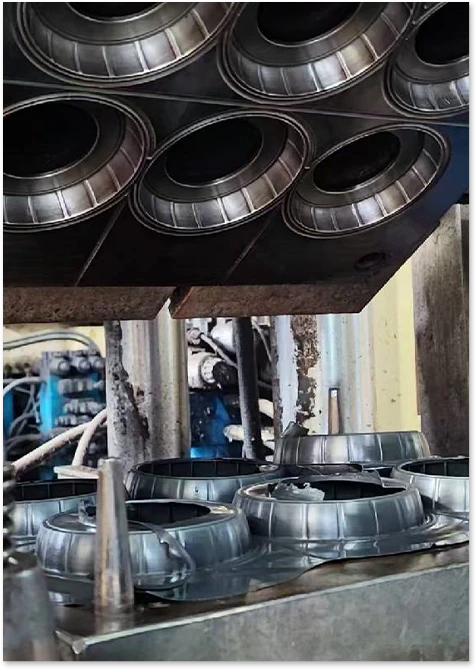
The primary materials used in trailer seal metal components are carbon steel, stainless steel (304, 316), and aluminum alloys (5052, 6061). Carbon steel offers high tensile strength at a lower cost but is susceptible to corrosion. Stainless steel provides superior corrosion resistance, crucial for exposure to varying environmental conditions and road salts. Aluminum alloys offer a good strength-to-weight ratio and inherent corrosion resistance, often used for locking pin components. Manufacturing processes vary depending on the seal design. Common methods include stamping, forging, and casting for body formation, coupled with machining for precise tolerances. Locking mechanisms frequently utilize cold forming processes like swaging or upsetting to create the locking feature. Critical parameters during manufacturing include material composition verification using spectroscopic analysis (XRF, LIBS), hardness testing (Rockwell, Vickers), and dimensional accuracy checks with coordinate measuring machines (CMM). Heat treatment processes, such as annealing or tempering, are employed to optimize mechanical properties. Welding, where applicable, requires stringent control over shielding gas composition and current settings to prevent porosity and ensure weld integrity. Surface treatments like galvanization or passivation are employed to enhance corrosion resistance. Material traceability is maintained through batch numbering and material certificates of conformance.
Performance & Engineering
Trailer seal performance is fundamentally governed by force analysis under various stress conditions. Tensile strength, measured in MPa or PSI, dictates the seal’s resistance to pulling forces attempting to break the seal body. Shear resistance, similarly measured, assesses the seal’s ability to withstand forces attempting to slide or cut the locking mechanism. Environmental resistance is a crucial consideration. Seals are subjected to temperature extremes, humidity, UV radiation, and chemical exposure (road salts, cleaning agents). Corrosion testing, including salt spray testing (ASTM B117) and cyclic corrosion testing (ASTM G85), evaluates material degradation. Furthermore, seals must meet specific compliance requirements, such as ISO 17712:2019, which categorizes seals based on security level and defines testing procedures. The engineering design of the locking mechanism is critical, employing principles of mechanical locking and tamper-evident features. Finite element analysis (FEA) is frequently used to simulate stress distribution under load and optimize the seal’s geometry. Consideration must also be given to the ease of application and removal, ensuring proper tool engagement and preventing accidental breakage during legitimate handling. Fatigue life, the number of cycles the seal can withstand before failure, is a key performance metric.
Technical Specifications
| Material Grade | Tensile Strength (MPa) | Shear Resistance (kN) | Corrosion Resistance (Salt Spray Hours) |
|---|---|---|---|
| Carbon Steel (Q235) | 400-550 | 15-25 | 48 |
| Stainless Steel 304 | 520-700 | 20-35 | 168 |
| Stainless Steel 316 | 550-750 | 25-40 | 840 |
| Aluminum Alloy 5052 | 280-350 | 10-20 | 48 |
| Aluminum Alloy 6061 | 310-380 | 12-22 | 840 (Anodized) |
| High Security Steel (Hardened) | 700-900 | 30-50 | 96 |
Failure Mode & Maintenance
Common failure modes for trailer seals include shear failure of the locking pin, tensile fracture of the seal body, corrosion-induced weakening of components, and manipulation through specialized tools. Shear failure often results from excessive force applied to the locking mechanism during attempted breakage. Tensile fractures typically occur due to material defects or overstressing. Corrosion can lead to pitting and cracking, reducing the seal’s strength. Tampering attempts may involve picking the lock, using cutting tools, or recreating counterfeit seals. Failure analysis often involves microscopic examination of the fracture surface (SEM) to determine the mode of failure and identify any material defects. Preventative maintenance is limited, as seals are designed for single use. However, proper storage is essential to prevent corrosion. Seals should be stored in a dry, climate-controlled environment. Visual inspection prior to application is critical to identify any pre-existing damage or defects. Regular audits of seal application procedures can help identify vulnerabilities and prevent tampering. Consideration should also be given to the security of seal inventories to prevent theft and counterfeiting. For high-value cargo, consider utilizing seals with advanced serialization and tracking technologies to provide real-time monitoring of seal integrity.
Industry FAQ
Q: What is the significance of ISO 17712:2019 certification for trailer seals?
A: ISO 17712:2019 is a globally recognized standard for security seals. Certification indicates that the seal has been independently tested and meets specific requirements for strength, tamper-evidence, and durability. The standard categorizes seals into three security levels (TLS, HTS, and HTS+) based on their resistance to attack. Compliance with ISO 17712:2019 provides assurance to customers that the seals offer a defined level of security and are suitable for their specific applications.
Q: How does the material selection impact the long-term reliability of trailer seals?
A: Material selection is paramount. Carbon steel is cost-effective but susceptible to corrosion, especially in harsh environments. Stainless steel, particularly 316, offers significantly improved corrosion resistance but at a higher cost. Aluminum alloys provide a balance between strength and corrosion resistance. The choice depends on the intended operating environment and the required lifespan of the seal. Seals used in marine applications or areas with high salt concentrations require materials with superior corrosion resistance.
Q: What are the common methods used to defeat trailer seals, and how can these be mitigated?
A: Common methods include cutting, shearing, picking the lock, and recreating counterfeit seals. Mitigation strategies include using high-strength materials, complex locking mechanisms, unique serialization, and tamper-evident features. Implementing robust inventory control measures and training personnel to properly apply and inspect seals are also crucial. Utilizing seals with RFID or other tracking technologies can provide real-time monitoring of seal integrity.
Q: What role does surface treatment play in enhancing the performance of metal trailer seals?
A: Surface treatments like galvanization, passivation, and anodization significantly enhance corrosion resistance. Galvanization provides a sacrificial layer of zinc to protect the underlying steel. Passivation forms a protective oxide layer on stainless steel. Anodization creates a durable oxide layer on aluminum alloys. These treatments extend the lifespan of the seal and prevent premature failure due to corrosion.
Q: What testing methodologies are used to validate the performance characteristics of trailer seals?
A: Common testing methodologies include tensile testing (ASTM F963), shear testing (ASTM F963), pull force testing, corrosion testing (ASTM B117, ASTM G85), and impact testing. These tests are designed to simulate real-world conditions and assess the seal’s resistance to breaking, tampering, and environmental degradation. ISO 17712:2019 defines specific testing procedures and acceptance criteria.
Conclusion
Trailer seals constructed with metal components remain a vital component of supply chain security, offering a visible and reliable means of detecting unauthorized access to cargo. The selection of appropriate materials, meticulous manufacturing processes, and adherence to industry standards like ISO 17712:2019 are paramount in ensuring seal effectiveness. Understanding the potential failure modes and implementing preventative measures, such as proper storage and regular inspection, are crucial for maximizing seal lifespan and mitigating security risks.
The ongoing evolution of trailer seal technology emphasizes integration with advanced tracking and serialization techniques, enhancing real-time visibility and accountability throughout the transportation process. Future development may focus on the use of innovative materials and designs that offer even greater resistance to tampering and environmental degradation. A holistic approach to security, encompassing both physical seals and digital tracking systems, represents the optimal strategy for safeguarding cargo and maintaining supply chain integrity.