
Introduction
Metal face seals represent a critical component in rotating and reciprocating machinery, providing a leak-tight barrier between fluid systems and the environment. Positioned within the industry chain as a highly engineered sealing solution, they serve as alternatives to conventional seals like O-rings and lip seals, particularly in applications demanding high pressure, extreme temperatures, and chemical compatibility. Core performance characteristics of metal face seals are defined by their low friction, long service life, and ability to maintain seal integrity under harsh operating conditions. Unlike elastomeric seals prone to degradation and swelling, metal face seals leverage the inherent properties of metallic materials to achieve a robust and reliable seal, making them indispensable in sectors such as oil and gas, aerospace, automotive, and chemical processing. The primary industry pain point they address is the prevention of catastrophic equipment failure and environmental contamination stemming from seal degradation, leading to costly downtime and regulatory penalties.
Material Science & Manufacturing
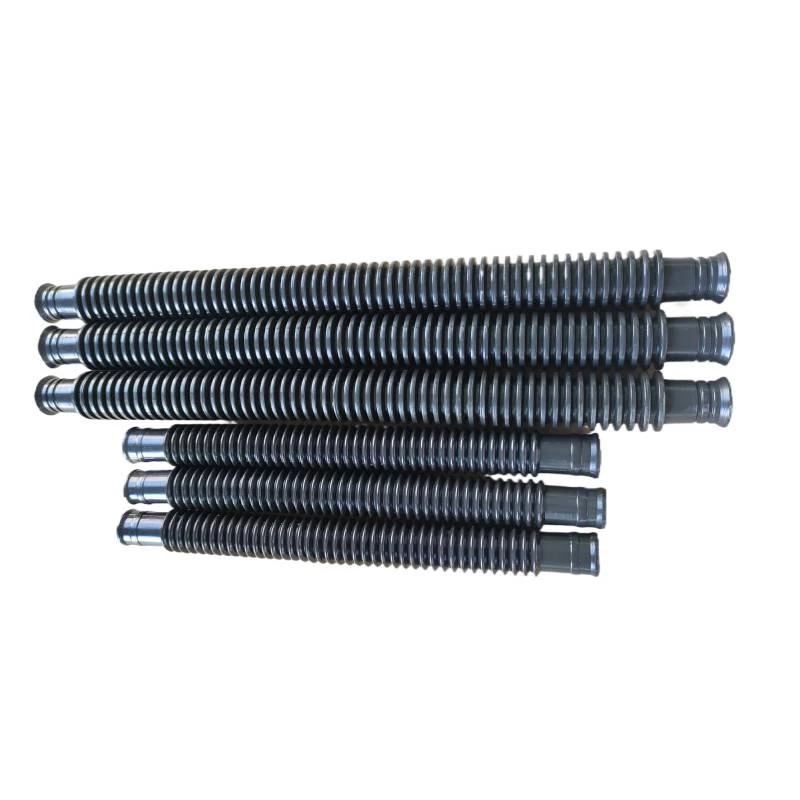
Metal face seals commonly employ materials exhibiting high hardness, corrosion resistance, and dimensional stability. Common materials include stainless steel (304, 316, 17-4 PH), carbon steel, Hastelloy, Inconel, and various nickel alloys. The sealing surfaces are often manufactured from softer materials like copper-aluminum alloys, silver, or graphite to facilitate conformability and achieve a leak-tight interface. Raw material selection is governed by the process fluid, temperature range, and pressure demands of the application. Manufacturing processes are precise and typically involve CNC machining, grinding, and lapping to achieve extremely flat and smooth sealing surfaces. Key parameter control during manufacturing is vital; surface finish (Ra < 1 μm is common), flatness (typically < 0.001 inches total indicator reading - TIR), and hardness are rigorously monitored. Welding processes, if used for seal carrier construction, require careful control of heat input to prevent distortion and maintain material integrity. Surface treatments like nitriding or chrome plating can enhance wear resistance and corrosion protection. The spring mechanisms integrated into many metal face seals – often utilizing wave springs or corrugated metal – require precise spring constant control to maintain adequate sealing force throughout the operating temperature range. Improper material selection or deviation from precise manufacturing tolerances leads to premature failure.
Performance & Engineering
The performance of metal face seals is fundamentally governed by the principles of contact mechanics and tribology. The sealing mechanism relies on the plastic deformation of the softer sealing face to conform to the irregularities of the harder mating surface, creating a leak-tight barrier. Force analysis considers the hydraulic pressure, mechanical loads, and spring force acting on the seal. Spring design is critical; insufficient force leads to leakage, while excessive force generates excessive friction and wear. Environmental resistance is paramount. Corrosion, erosion, and thermal cycling can all compromise seal integrity. In high-temperature applications, creep and oxidation become significant concerns. Compliance requirements are stringent, particularly in industries like aerospace and oil & gas, where leakage can have severe consequences. Standards like API 682 (Mechanical Seals for Pumps) dictate specific design and testing criteria. Functional implementation often involves a pre-loaded spring system to maintain contact, a fluid film lubrication regime to reduce friction and wear, and a venting mechanism to prevent pressure lock. Finite element analysis (FEA) is commonly used to model stress distributions and predict seal performance under various loading conditions. The coefficient of friction is a key engineering parameter, significantly impacting power consumption and heat generation.
Technical Specifications
| Parameter | Typical Value (Stainless Steel/Copper-Aluminum) | Unit | Test Standard |
|---|---|---|---|
| Maximum Pressure | 5000 | psi | API 682 |
| Temperature Range | -328 to 752 | °F | ASTM E831 |
| Surface Roughness (Ra) | 0.8 | μm | ISO 4287 |
| Flatness (TIR) | 0.0005 | inches | ANSI/ASME B46.1 |
| Hardness (Rockwell C) | 30/90 | HRC | ASTM E18 |
| Leakage Rate | <0.01 | cc/min | API 682 |
Failure Mode & Maintenance
Metal face seals are susceptible to several failure modes. Fatigue cracking can occur due to cyclic loading, particularly in high-pressure applications. Delamination of the softer sealing face can result from thermal cycling or corrosion. Erosion caused by abrasive particles in the process fluid is a common concern. Oxidation and corrosion degrade material properties, reducing sealing effectiveness. Gallling, a severe form of adhesive wear, can occur if lubrication fails or if incompatible materials are used. Improper installation or misalignment induces excessive stress and premature failure. Maintenance protocols involve regular inspections for wear, corrosion, and leakage. Lubrication systems must be maintained to ensure adequate fluid film formation. Seals should be replaced according to manufacturer recommendations or when signs of degradation are observed. Detailed failure analysis, including microscopic examination of fractured surfaces, is crucial for identifying root causes and implementing corrective actions. Preventative maintenance, including periodic seal retorquing and flushing of the system to remove abrasive particles, significantly extends seal life.
Industry FAQ
Q: What are the key advantages of metal face seals over traditional elastomeric seals in high-temperature applications?
A: Metal face seals offer superior high-temperature performance due to their inherent resistance to thermal degradation and creep. Elastomeric seals become brittle and lose their elasticity at elevated temperatures, leading to leakage. Metal face seals maintain their dimensional stability and sealing force, providing a more reliable and durable solution for demanding applications exceeding the temperature limits of elastomers.
Q: How does the surface finish of the sealing faces impact the leakage rate of a metal face seal?
A: The surface finish directly influences the conformability of the softer sealing face to the harder mating surface. A smoother surface finish (lower Ra value) promotes greater contact area and reduces the potential for leakage paths. Achieving a surface roughness of Ra < 1 μm is typically required for optimal performance.
Q: What considerations are essential when selecting a material for a metal face seal exposed to corrosive fluids?
A: Material selection must prioritize corrosion resistance. Stainless steel alloys (316, 17-4 PH) and nickel-based alloys (Hastelloy, Inconel) are commonly used in corrosive environments. It's crucial to verify the chemical compatibility of the seal material with the process fluid to prevent corrosion-induced degradation and failure.
Q: What is the role of the spring mechanism in a metal face seal, and how does it affect performance?
A: The spring mechanism provides the necessary preload to maintain contact between the sealing faces, compensating for thermal expansion, pressure fluctuations, and surface irregularities. An appropriately designed spring system ensures consistent sealing force throughout the operating conditions. Insufficient spring force leads to leakage, while excessive force can cause increased friction and wear.
Q: What preventative maintenance procedures are recommended to maximize the service life of metal face seals?
A: Regular inspection for wear, corrosion, and leakage is crucial. Maintaining proper lubrication, flushing the system to remove abrasive particles, and periodically retorquing the seal assembly are all essential preventative maintenance procedures. Implementing a scheduled seal replacement program based on manufacturer recommendations or operational history will further enhance reliability.
Conclusion
Metal face seals offer a robust and reliable sealing solution for demanding applications where conventional seals fall short. Their superior performance characteristics—high-pressure capability, temperature resistance, and chemical compatibility—make them critical components in industries prioritizing process integrity and equipment reliability. The precision manufacturing processes and material science principles governing their design necessitate a thorough understanding of their operational parameters and potential failure modes.
Future advancements in metal face seal technology are focusing on the development of novel materials with enhanced wear resistance and corrosion protection, as well as improved surface treatments to reduce friction and extend service life. Integration of smart sensing technologies to monitor seal performance in real-time will enable predictive maintenance strategies, further minimizing downtime and optimizing operational efficiency. The continued demand for reliable sealing solutions in harsh environments ensures a significant role for metal face seals in the future of industrial technology.