
Introduction
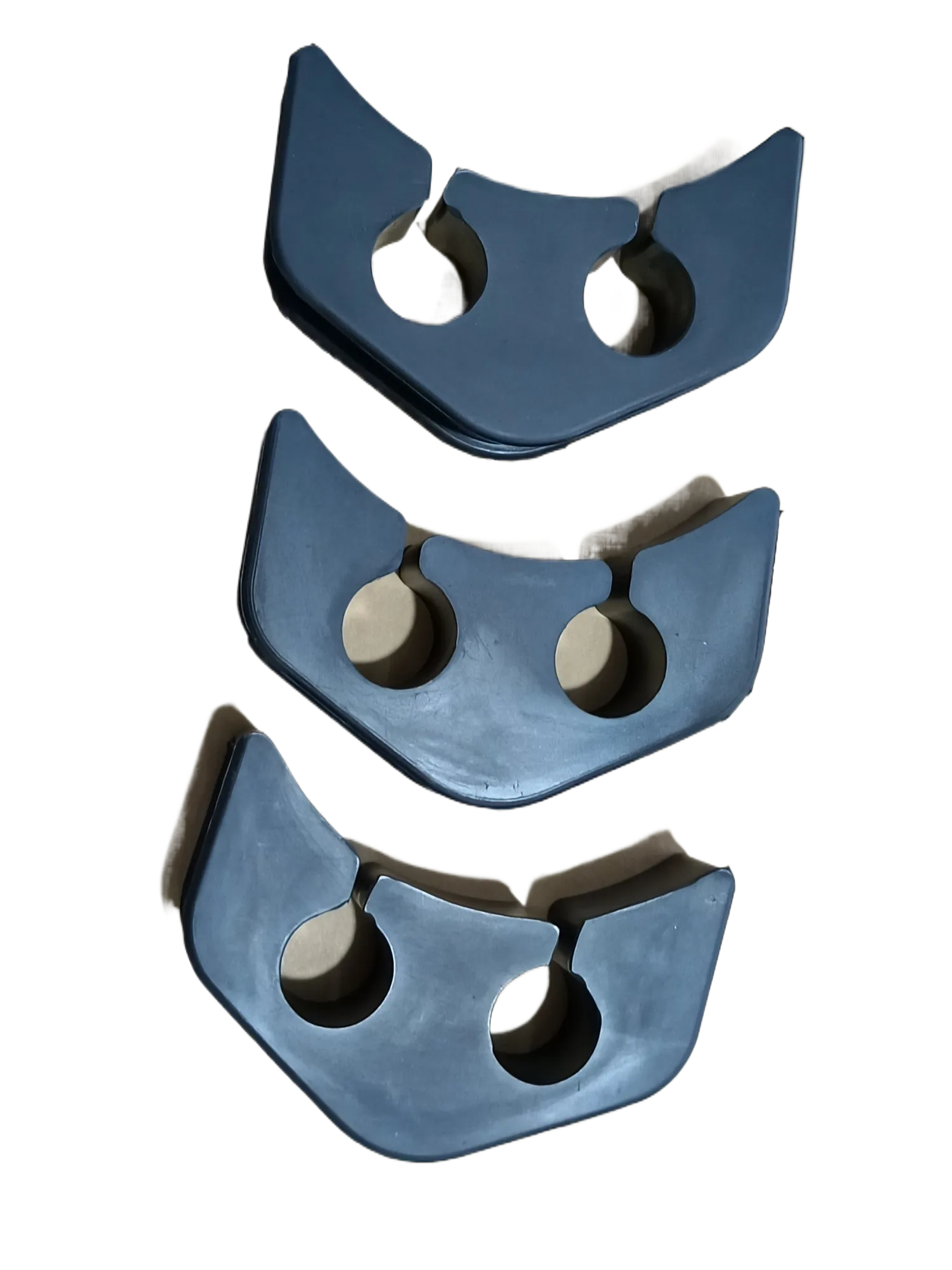
Malleable iron washers are mechanical components employed to distribute loads, prevent damage to surfaces, and provide consistent clamping force. Positioned within the fastening assembly – typically between a fastener head and a substrate – they are critical in numerous industrial applications, ranging from automotive and heavy machinery to pipeline infrastructure and building construction. Unlike steel washers, malleable iron washers offer a unique balance of ductility, strength, and corrosion resistance, stemming from their specific heat treatment process. This guide provides an in-depth examination of malleable iron washers, covering material science, manufacturing processes, performance characteristics, failure modes, and relevant industry standards. A key pain point within industries relying on these washers is inconsistency in material properties leading to premature failure, highlighting the importance of rigorous quality control and understanding the nuances of the manufacturing process.
Material Science & Manufacturing
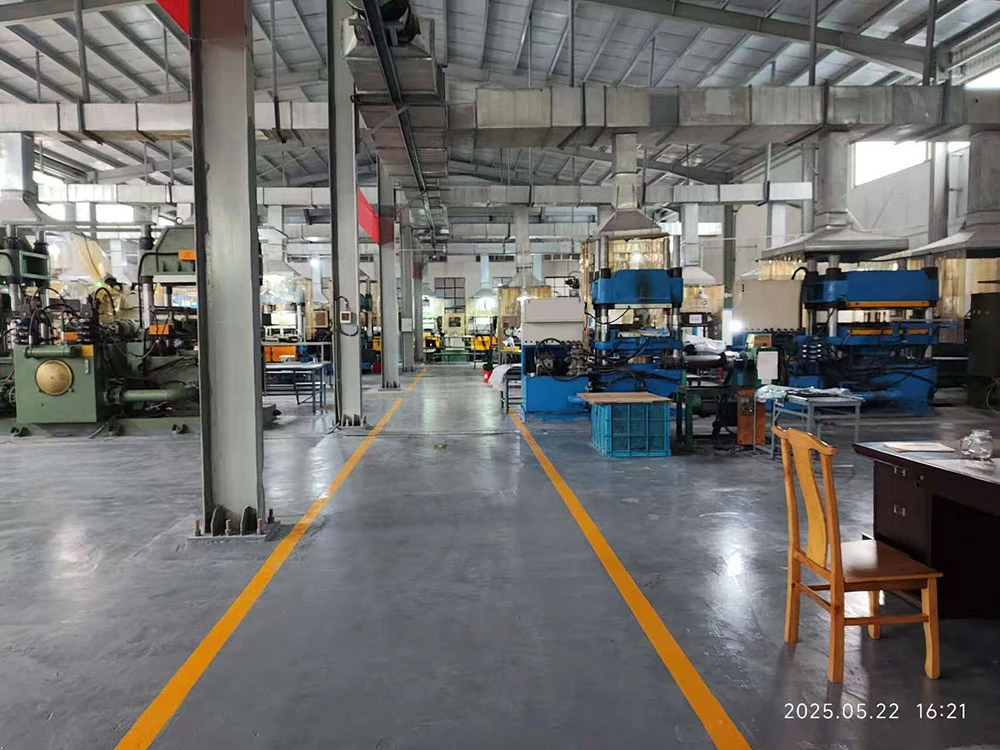
Malleable iron, the base material, is produced from white cast iron through a heat treatment process known as malleabilization. White cast iron is inherently brittle due to the presence of cementite (Fe3C). Malleabilization involves prolonged heating at temperatures between 870-950°C (1600-1740°F), allowing the cementite to decompose into tempered carbon and graphite. This transformation significantly improves ductility and toughness. There are two main types of malleable iron: pearlitic and nodular. Pearlitic malleable iron contains graphite in the form of irregular flakes, offering good strength but lower ductility. Nodular malleable iron, achieved through magnesium treatment during the molten iron stage, results in graphite nodules, enhancing both strength and ductility. The manufacturing of malleable iron washers typically begins with casting – sand casting being the most common method due to its cost-effectiveness for producing complex shapes. Critical parameters during casting include mold material composition, pouring temperature (typically 1300-1400°C/2372-2552°F), and cooling rate. Following casting, washers undergo machining (turning, milling, drilling) to achieve precise dimensions and tolerances. Surface finishing processes, such as shot blasting or tumbling, are employed to remove scale and improve surface quality. Heat treatment parameters – time and temperature – are crucial; variations significantly impact the final mechanical properties, particularly hardness and tensile strength. Chemical composition control is equally vital, with specified levels of carbon, silicon, manganese, and magnesium directly affecting the malleabilization process and final product characteristics.
Performance & Engineering
The performance of malleable iron washers is dictated by their ability to withstand compressive loads and maintain clamping force over time. Force analysis reveals that the washer experiences maximum stress concentration at the inner and outer diameters under load. Washer design parameters – inner diameter, outer diameter, thickness, and hole diameter – are carefully calculated to distribute stress effectively and prevent deformation. Environmental resistance is a key consideration. Malleable iron exhibits good corrosion resistance, particularly compared to carbon steel, due to the formation of a passive oxide layer. However, exposure to highly corrosive environments (e.g., saltwater, acidic conditions) can lead to corrosion. Protective coatings, such as zinc plating or phosphate coating, are often applied to enhance corrosion resistance. Compliance requirements vary depending on the application. For automotive applications, washers must meet stringent specifications outlined by organizations such as the Automotive Industry Action Group (AIAG). Pipeline applications require adherence to standards set by the American Petroleum Institute (API). The selection of the appropriate malleable iron grade (ASTM A47) is crucial, based on the required tensile strength, yield strength, and elongation. Finite element analysis (FEA) is frequently used to simulate washer performance under various loading conditions and optimize design parameters for specific applications. Furthermore, considerations for thermal expansion and contraction are essential when washers are used in applications involving temperature fluctuations.
Technical Specifications
| Property | ASTM A47 Grade 30 | ASTM A47 Grade 35 | ASTM A47 Grade 50 | Unit |
|---|---|---|---|---|
| Tensile Strength | 40,000 | 50,000 | 65,000 | psi |
| Yield Strength | 25,000 | 30,000 | 40,000 | psi |
| Elongation (in 2 inches) | 8 | 6 | 4 | % |
| Hardness (Brinell) | 150-200 | 180-240 | 220-280 | HB |
| Carbon Equivalent (CE) | 3.5 - 4.0 | 3.7 - 4.2 | 4.0 - 4.5 | - |
| Density | 7.2 – 7.4 | 7.2 – 7.4 | 7.2 – 7.4 | g/cm³ |
Failure Mode & Maintenance
Malleable iron washers are susceptible to several failure modes. Fatigue cracking, resulting from repeated cyclic loading, is a common issue, particularly in applications involving vibration. This often initiates at stress concentration points. Corrosion, as previously mentioned, can weaken the washer and lead to failure, especially in harsh environments. Graphitic corrosion – selective attack of graphite nodules – can significantly reduce cross-sectional area and compromise structural integrity. Another failure mode is oxidation, occurring at elevated temperatures, causing surface scaling and material loss. Hydrogen embrittlement, resulting from exposure to hydrogen-containing environments, can reduce ductility and promote cracking. Maintenance strategies focus on preventative measures. Regular inspection for signs of corrosion, cracking, or deformation is crucial. Lubrication can reduce friction and minimize wear. For applications exposed to corrosive environments, applying appropriate protective coatings and conducting periodic coating inspections are essential. Proper torque control during assembly is critical to avoid overstressing the washer. In cases where washers exhibit significant wear or damage, replacement is the recommended course of action. Failure analysis, involving metallographic examination and fracture surface analysis, can help identify the root cause of failure and prevent recurrence.
Industry FAQ
Q: What is the primary difference between pearlitic and nodular malleable iron washers in terms of application suitability?
A: Nodular malleable iron washers are generally preferred for applications requiring higher ductility and impact resistance, such as automotive suspensions and heavy machinery components. Pearlitic malleable iron washers offer higher strength but lower ductility, making them suitable for applications where compressive strength is paramount and impact loading is minimal, such as in certain pipeline flange connections.
Q: How does the heat treatment process impact the corrosion resistance of malleable iron washers?
A: The heat treatment process influences the microstructure of the iron, affecting the distribution of graphite and the formation of a protective oxide layer. Properly malleabilized iron with a stable graphite structure exhibits enhanced corrosion resistance compared to untreated white cast iron. However, the heat treatment itself does not create a highly corrosion-resistant surface; additional coatings are often necessary for demanding environments.
Q: What is the significance of the Carbon Equivalent (CE) value in selecting a malleable iron washer grade?
A: The Carbon Equivalent (CE) value provides an indication of the iron's hardenability and potential for forming martensite during heat treatment. A higher CE value generally indicates greater hardenability, but also increased risk of cracking during welding or rapid cooling. Selecting a washer grade with an appropriate CE value ensures a balance between strength and ductility.
Q: Are there any limitations to using malleable iron washers in high-temperature applications?
A: Yes. While malleable iron has good thermal stability, prolonged exposure to temperatures exceeding 400°C (752°F) can lead to oxidation, scaling, and a reduction in mechanical properties. For high-temperature applications, alternative materials such as stainless steel or high-temperature alloys are generally preferred.
Q: What impact does improper torqueing have on the lifespan of a malleable iron washer installation?
A: Improper torqueing – either over-torqueing or under-torqueing – significantly reduces the lifespan of the installation. Over-torqueing can lead to washer deformation and potential cracking, while under-torqueing results in insufficient clamping force, causing loosening and premature failure of the joint. Adhering to specified torque values is critical.
Conclusion
Malleable iron washers represent a robust and cost-effective fastening solution across diverse industries. Their unique combination of ductility, strength, and corrosion resistance, achieved through controlled malleabilization and manufacturing processes, makes them well-suited for applications demanding reliable performance. Understanding the intricacies of material science, production parameters, and potential failure modes is paramount for ensuring optimal selection and longevity.
Future advancements in malleable iron technology are focused on enhancing corrosion resistance through novel coating materials and optimizing the heat treatment process to further improve mechanical properties. Continued research into non-destructive testing methods for early detection of fatigue cracking and corrosion will also play a vital role in enhancing the reliability and extending the service life of malleable iron washer assemblies. Proper material selection based on application-specific requirements and adherence to industry standards remain crucial for maximizing performance and minimizing the risk of failure.