
Introduction
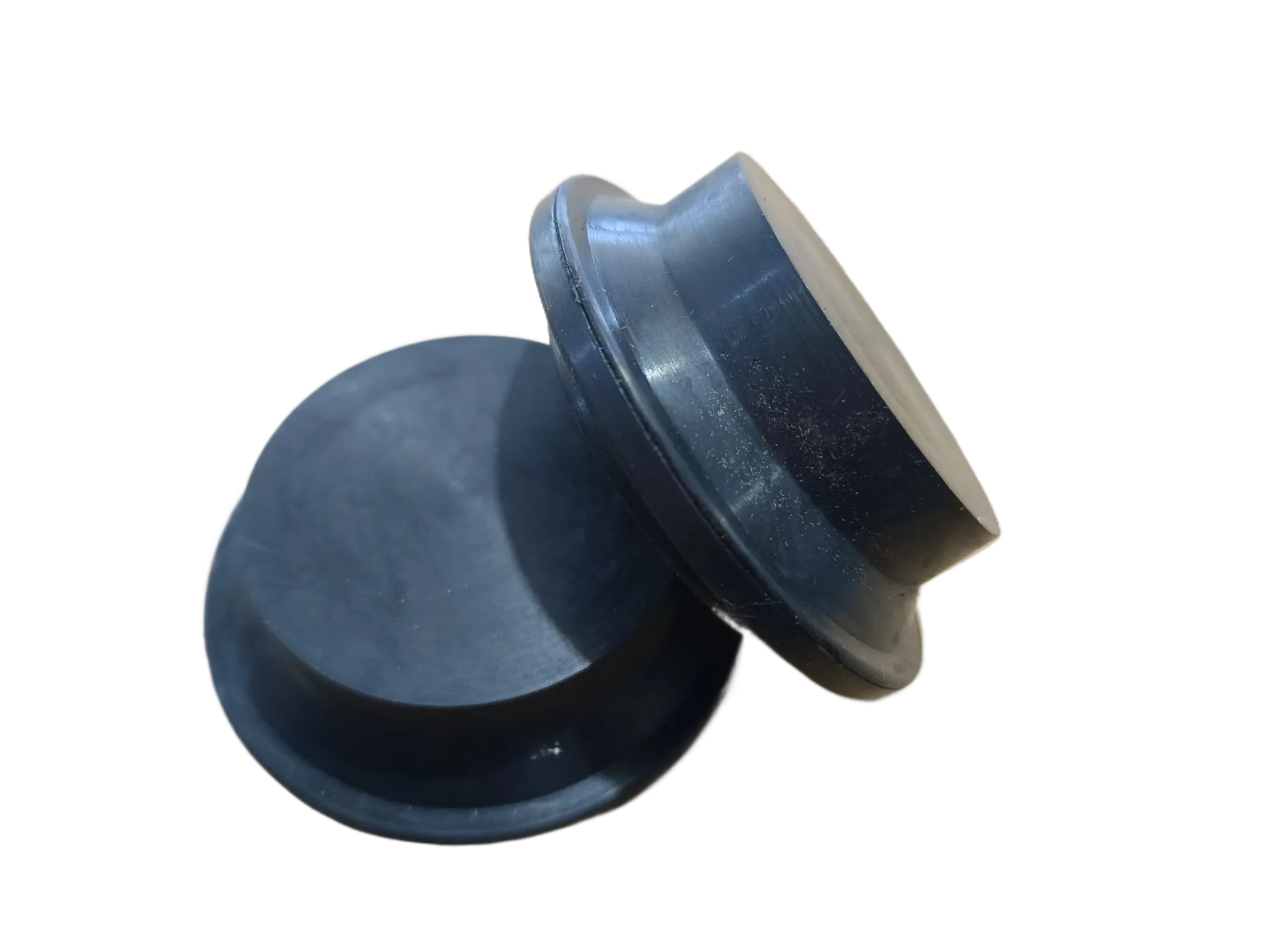
Large diameter steel washers are critical load-distributing components utilized across diverse industrial applications, ranging from heavy machinery and infrastructure to automotive assemblies and renewable energy systems. Defined as washers with an inner diameter (ID) exceeding typical standard sizes – generally above 1 inch (25.4 mm), though this threshold varies based on industry standards – they are engineered to provide a wider bearing surface, reducing stress concentrations and preventing damage to connected materials. Their technical position lies fundamentally within the fastening and joining technology supply chain, supporting bolting operations and ensuring the long-term integrity of assembled structures. Core performance characteristics include load distribution capability, resistance to deformation under compressive forces, corrosion resistance (dependent on material and coating), and dimensional accuracy to maintain consistent clamping force. The selection of appropriate large diameter washers is paramount for ensuring the reliability and safety of engineered systems, often dictated by specific application requirements, load magnitudes, and environmental conditions.
Material Science & Manufacturing
The primary material for large diameter steel washers is typically carbon steel, encompassing various grades such as SAE 1045, 4140, and 5160, selected based on required strength, ductility, and weldability. Alloy steels, incorporating elements like chromium, nickel, and molybdenum, are employed for enhanced corrosion resistance and high-temperature performance. Stainless steels (304, 316) are utilized in corrosive environments. The raw material's chemical composition dictates mechanical properties like yield strength, tensile strength, and hardness, directly influencing washer performance. Manufacturing predominantly involves blanking from steel coils, followed by subsequent forming operations. Blanking utilizes precision dies to cut the washer shape from the steel sheet. Forming can occur through progressive die stamping, where multiple operations (piercing, bending, sizing) are performed sequentially, or through single-operation stamping. Critical parameters during forming include die geometry, punch/die clearance, stamping speed, and lubrication. Heat treatment, including annealing, hardening, and tempering, is frequently applied to achieve desired mechanical properties. Surface treatments, such as zinc plating, black oxide coating, or powder coating, provide corrosion protection. Quality control encompasses dimensional inspection (ID, OD, thickness), hardness testing, and material analysis to verify compliance with specifications. Edge profiling, such as rolling or deburring, is crucial to prevent stress risers and improve fatigue life.
Performance & Engineering
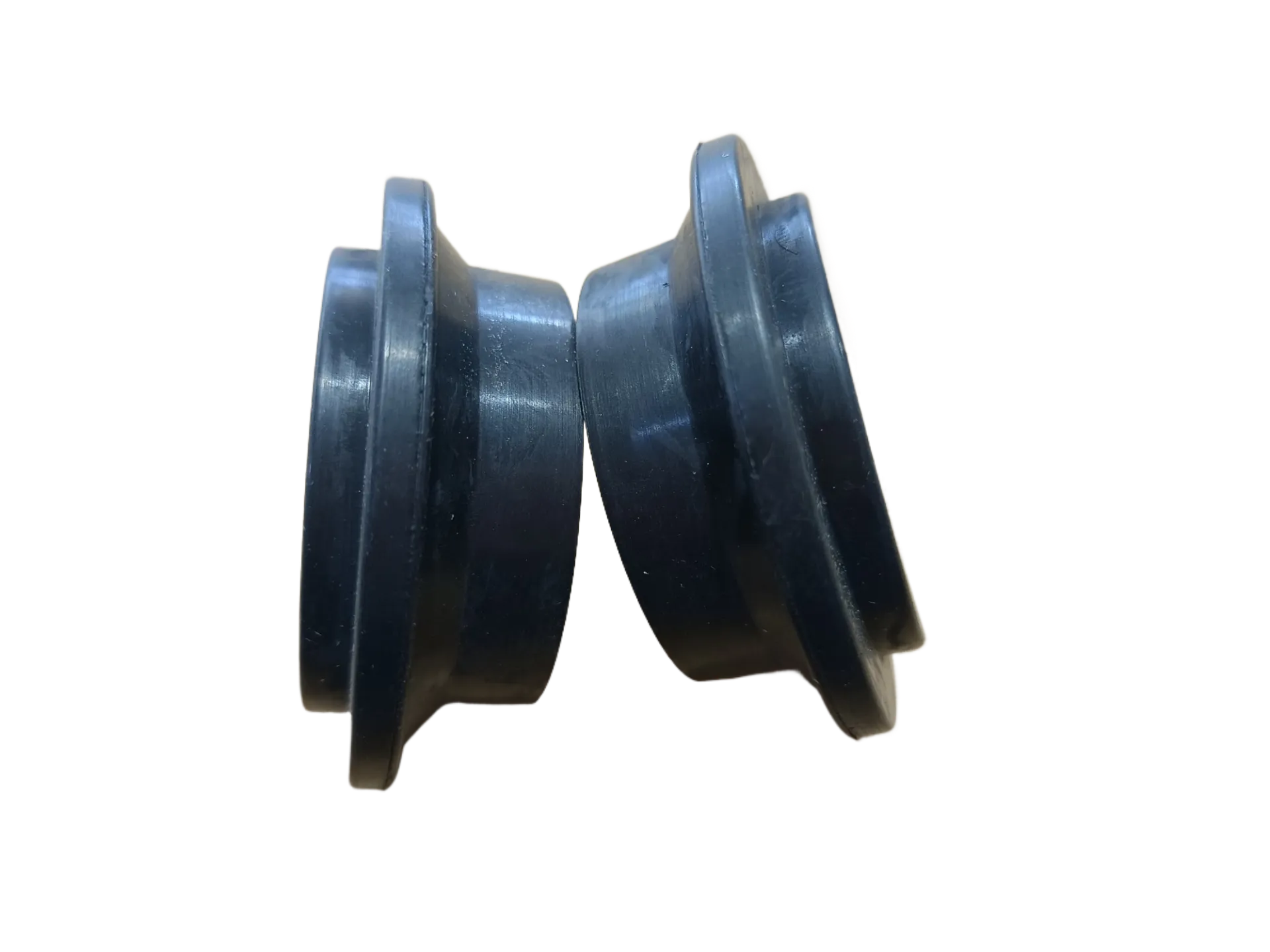
Performance of large diameter steel washers is fundamentally governed by their ability to distribute load uniformly across the joined materials. Force analysis dictates that the washer’s bearing area minimizes stress concentration, preventing localized deformation or failure of the underlying components. The washer's thickness and material properties directly influence its load-carrying capacity and resistance to deformation under compressive forces. Finite Element Analysis (FEA) is often employed to simulate stress distribution under varying load conditions and optimize washer geometry for specific applications. Environmental resistance is a critical engineering consideration. Washers exposed to corrosive environments require appropriate material selection (stainless steel, alloy steel) and protective coatings (zinc plating, epoxy coatings). Compliance requirements vary by industry and application. For example, washers used in pressure vessel applications must meet ASME standards. Washers used in automotive applications must adhere to IATF 16949 standards. Functional implementation considerations include the washer's interaction with the bolt/screw and the joined materials. Proper washer selection ensures adequate clamping force, preventing loosening of the connection due to vibration or thermal cycling. The washer’s hardness must be carefully controlled to avoid damaging the mating surfaces. Proper hole sizing is vital to ensure correct bolt/screw seating and prevent ovaling under load. Washers can be designed with specific features, such as serrations or tooth patterns, to enhance grip and prevent rotation.
Technical Specifications
| Parameter | SAE 1045 Steel | 304 Stainless Steel | 4140 Alloy Steel | Units |
|---|---|---|---|---|
| Tensile Strength | 570-700 | 750-900 | 750-950 | MPa |
| Yield Strength | 310-450 | 210-310 | 600-800 | MPa |
| Hardness (Rockwell C) | 20-30 | 20-30 | 25-35 | HRC |
| Corrosion Resistance | Low (Requires Coating) | Excellent | Moderate (Requires Coating) | Qualitative |
| Typical Thickness | 0.060 - 0.250 | 0.060 - 0.250 | 0.080 - 0.375 | inches |
| Operating Temperature Range | -40°C to 200°C | -200°C to 400°C | -40°C to 300°C | °C |
Failure Mode & Maintenance
Large diameter steel washers are susceptible to several failure modes. Fatigue cracking, initiated by cyclical loading, is a common issue, particularly in applications with vibration. Stress corrosion cracking can occur in corrosive environments, especially with susceptible materials and inadequate coatings. Corrosion, including oxidation and galvanic corrosion, can weaken the washer and reduce its load-carrying capacity. Plastic deformation, resulting from exceeding the material’s yield strength, can lead to loss of clamping force and connection failure. Delamination of coatings, such as zinc plating, exposes the underlying steel to corrosion. Maintenance practices involve periodic inspection for signs of corrosion, cracking, or deformation. Visual inspection, supplemented by non-destructive testing methods like dye penetrant inspection or ultrasonic testing, can identify subsurface cracks. Regular cleaning to remove contaminants prevents accelerated corrosion. Re-application of protective coatings extends the washer’s service life. Proper torque control during assembly prevents over-tightening, which can induce plastic deformation or damage the mating surfaces. Lubrication of the bolt/washer interface reduces friction and prevents galling. Replacement of damaged or corroded washers is crucial to maintaining the integrity of the assembled structure. Maintaining accurate records of washer specifications, material certifications, and inspection results facilitates effective maintenance and traceability.
Industry FAQ
Q: What material is best suited for large diameter washers used in a marine environment?
A: For marine environments, 316 stainless steel is generally the most suitable material due to its superior corrosion resistance compared to 304 stainless steel or carbon steel. The addition of molybdenum in 316 enhances its resistance to chloride pitting and crevice corrosion, common issues in saltwater applications. However, even with 316, periodic inspection and maintenance are still recommended.
Q: How does washer thickness affect load distribution and clamping force?
A: Increasing washer thickness generally improves load distribution by increasing the bearing area, reducing stress concentration on the joined materials. However, excessive thickness can lead to increased cost and potential interference with other components. Thicker washers can also reduce the amount of thread engagement, potentially reducing clamping force. Optimal thickness is determined by application-specific load requirements and design constraints.
Q: What is the impact of surface finish on the performance of large diameter steel washers?
A: Surface finish plays a critical role in preventing corrosion and fatigue cracking. A smooth surface finish minimizes stress risers, enhancing fatigue life. Surface coatings, like zinc plating or powder coating, provide corrosion protection. Rough surfaces can accelerate corrosion and reduce the effectiveness of coatings. The appropriate surface finish is selected based on the operating environment and application requirements.
Q: What are the common causes of washer deformation under high load?
A: Common causes of washer deformation under high load include exceeding the material's yield strength, inadequate washer thickness for the applied load, and material defects. Plastic deformation can lead to loss of clamping force and connection failure. Selecting a material with sufficient yield strength and ensuring adequate washer thickness are crucial for preventing deformation.
Q: How does heat treatment affect the mechanical properties of steel washers?
A: Heat treatment is critical for tailoring the mechanical properties of steel washers. Annealing improves ductility and reduces hardness, while hardening increases hardness and strength. Tempering is often performed after hardening to reduce brittleness and improve toughness. The specific heat treatment process is selected based on the desired combination of mechanical properties for the application.
Conclusion
Large diameter steel washers represent a fundamental component in countless engineering applications, providing essential load distribution and ensuring the reliable performance of assembled structures. Their selection and implementation necessitate a thorough understanding of material science, manufacturing processes, and performance engineering principles. Careful consideration of factors like material composition, mechanical properties, environmental conditions, and applicable industry standards is crucial for optimizing washer design and preventing premature failure.
Future advancements in washer technology may focus on the development of novel materials with enhanced corrosion resistance and fatigue life, as well as the integration of smart features, such as embedded sensors for monitoring clamping force and detecting potential failures. Continued refinement of manufacturing processes will also drive improvements in dimensional accuracy and surface finish, further enhancing washer performance and reliability. The increasing demand for lightweighting and sustainability will likely lead to greater adoption of high-strength, lightweight materials in washer construction.