
Introduction
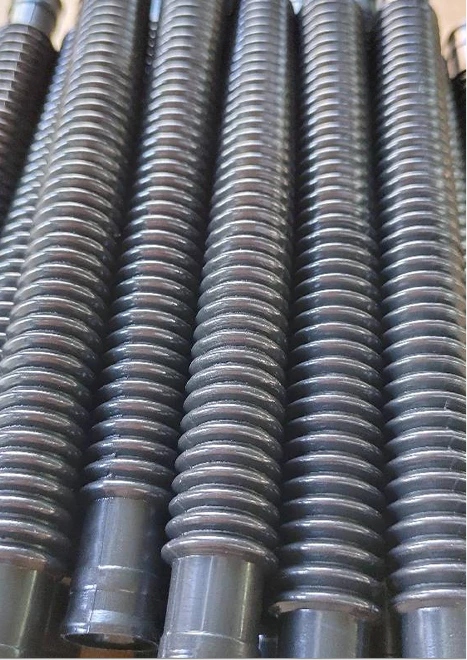
Heavy duty metal O-rings are sealing components utilized in critical applications demanding high pressure, temperature, and chemical resistance. Unlike elastomeric O-rings, metal O-rings provide superior performance in harsh environments where polymers may degrade or fail. These rings are typically manufactured from corrosion-resistant alloys, providing a robust and reliable sealing solution. Their position within the industrial chain lies between component design and fluid power system integrity, representing a vital link in preventing leakage and ensuring operational safety. Core performance characteristics include leak-tight sealing under extreme conditions, dimensional stability, and resistance to creep and relaxation over extended service life. The selection process necessitates a thorough understanding of fluid compatibility, temperature ranges, and pressure requirements to ensure optimal performance and longevity. The increasing demand for enhanced reliability in industries like aerospace, oil & gas, and automotive drives the continued development and refinement of heavy-duty metal O-ring technology.
Material Science & Manufacturing
The foundation of heavy duty metal O-rings lies in the selection of appropriate metallic alloys. Common materials include Stainless Steel 304/316, Inconel X-718, Hastelloy C-276, and Monel 400. Stainless steels offer good corrosion resistance and cost-effectiveness for moderately aggressive environments. Inconel and Hastelloy alloys are nickel-based superalloys, exhibiting exceptional resistance to high temperatures, oxidation, and aggressive chemical attack – critical for aerospace and chemical processing applications. Monel 400, a nickel-copper alloy, excels in resisting corrosion by seawater and other non-oxidizing acids. Raw material properties are rigorously controlled, focusing on tensile strength, yield strength, elongation, and chemical composition as verified by methods like X-ray fluorescence (XRF) and inductively coupled plasma atomic emission spectroscopy (ICP-AES).
Manufacturing processes generally fall into two primary categories: stamping and machining. Stamping is cost-effective for high-volume production of simpler designs. The process involves blanking the material from a sheet, followed by forming the O-ring shape using a die. Key parameters include die design, material thickness, and stamping pressure, all influencing dimensional accuracy and surface finish. Machining, typically employing CNC turning or milling, provides greater flexibility for complex geometries and tight tolerances. Critical parameters include cutting tool selection, cutting speed, feed rate, and coolant application. Post-processing often involves deburring, cleaning (using ultrasonic cleaning or solvent degreasing), and passivation to enhance corrosion resistance. Dimensional inspection utilizes calibrated ring gauges, micrometers, and coordinate measuring machines (CMM) to ensure conformance to stringent specifications. Surface finish is also meticulously controlled, as roughness can impact sealing performance and friction characteristics. Heat treatment processes, like annealing or stress relieving, may be applied to optimize material properties and minimize residual stress.
Performance & Engineering
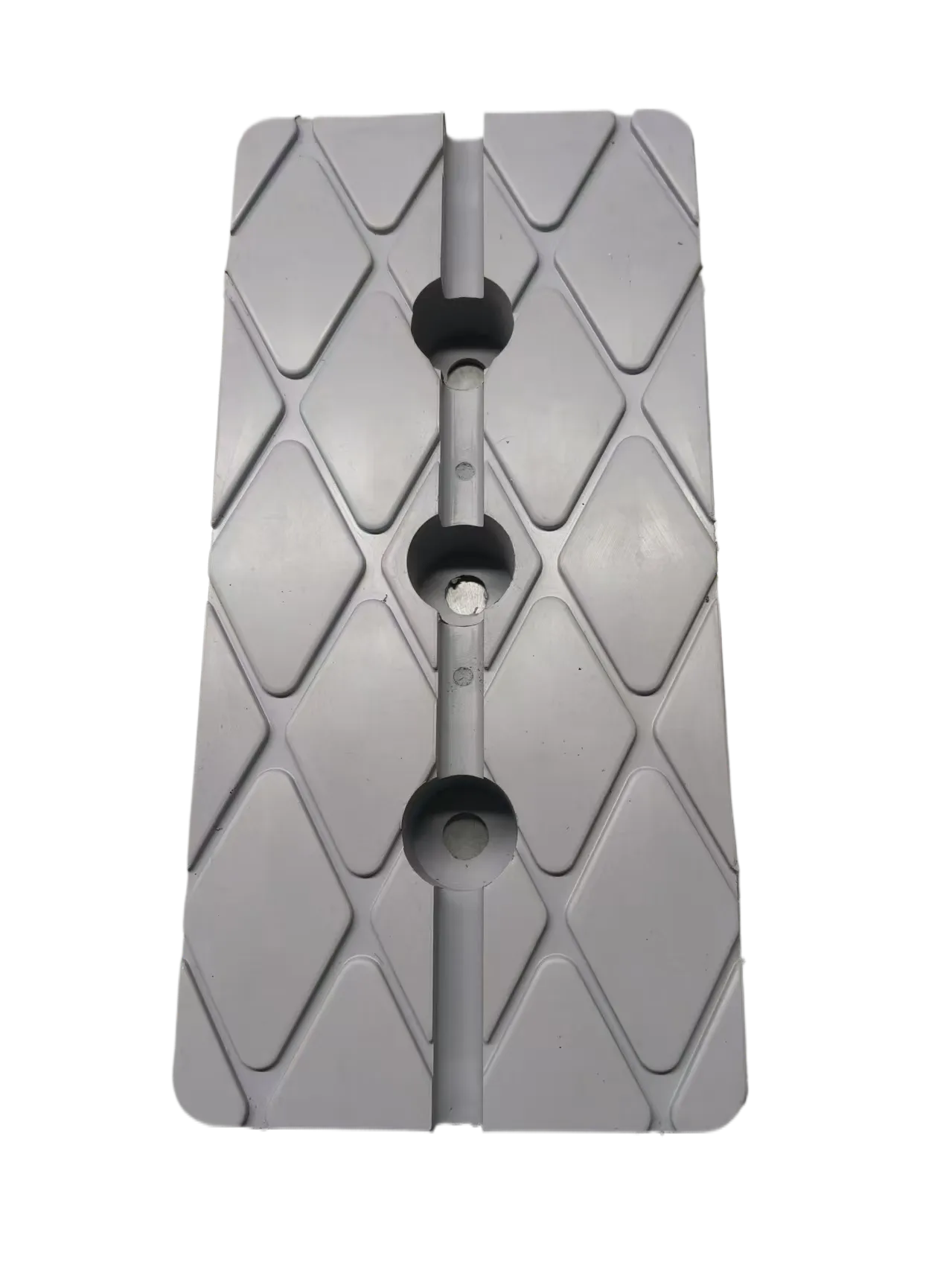
The performance of heavy duty metal O-rings is fundamentally governed by contact stress and sealing force. Force analysis necessitates consideration of groove design, O-ring cross-section, and applied compression. Insufficient compression leads to leakage, while excessive compression can induce material yielding or extrusion. Finite element analysis (FEA) is frequently employed to model stress distribution and predict sealing performance under various loading conditions. Environmental resistance is a critical engineering consideration. Chemical compatibility must be rigorously assessed to prevent corrosion, swelling, or degradation of the O-ring material. Temperature extremes can impact material properties, affecting sealing force and dimensional stability. High temperatures can lead to creep and oxidation, while low temperatures can cause embrittlement.
Compliance requirements vary depending on the industry and application. Aerospace applications demand adherence to standards like AS9100, ensuring stringent quality control and traceability. Oil & gas applications require compliance with API standards (e.g., API 6A, API 171) for wellhead and pipeline sealing. Food and beverage applications necessitate compliance with FDA regulations regarding material safety and biocompatibility. Proper groove design is paramount for optimal performance. Groove dimensions must be precisely matched to the O-ring cross-section and material properties. Factors like groove width, depth, and surface finish significantly impact sealing effectiveness and resistance to extrusion. Back-up rings are often incorporated to prevent extrusion under high-pressure conditions. Selection of the appropriate back-up ring material (e.g., PTFE, PEEK) is crucial to ensure compatibility with the fluid and operating temperature.
Technical Specifications
| Material | Temperature Range (°C) | Maximum Pressure (MPa) | Hardness (Rockwell C) |
|---|---|---|---|
| Stainless Steel 304 | -200 to 300 | 20 | C20-C30 |
| Stainless Steel 316 | -200 to 350 | 30 | C25-C35 |
| Inconel X-718 | -196 to 650 | 100 | C40-C50 |
| Hastelloy C-276 | -50 to 150 | 40 | C30-C40 |
| Monel 400 | -60 to 260 | 25 | C25-C35 |
| Elgiloy | -196 to 427 | 70 | C35-C45 |
Failure Mode & Maintenance
Common failure modes for heavy duty metal O-rings include fatigue cracking, corrosion, extrusion, and galling. Fatigue cracking arises from cyclic loading, particularly in applications involving reciprocating motion or pressure pulsations. Corrosion, driven by exposure to aggressive fluids, can lead to pitting, crevice corrosion, or general material loss. Extrusion occurs when the O-ring is forced into the gap between mating surfaces due to excessive pressure or inadequate groove design. Galling, a form of adhesive wear, can occur between contacting metal surfaces, particularly in the absence of adequate lubrication. Failure analysis techniques, such as fractography (using scanning electron microscopy - SEM) and chemical analysis, are employed to identify the root cause of failure.
Preventive maintenance is crucial to maximizing O-ring service life. Regular inspection for signs of corrosion, cracking, or deformation is essential. Proper lubrication reduces friction and prevents galling. Selection of compatible lubricants is critical; incompatible lubricants can accelerate corrosion or degradation. Maintaining cleanliness prevents contamination and abrasive wear. Periodic replacement of O-rings based on operating conditions and application criticality is a best practice. Storage conditions also impact longevity; O-rings should be stored in a clean, dry environment, protected from UV exposure and corrosive atmospheres. When replacing O-rings, ensure proper groove cleaning and lubrication before installation. Avoid using excessive force during installation to prevent damage or deformation.
Industry FAQ
Q: What is the primary advantage of using a metal O-ring over an elastomer O-ring in high-temperature applications?
A: Metal O-rings maintain their mechanical properties and sealing force at significantly higher temperatures than elastomers. Elastomers can degrade, swell, or lose their elasticity at elevated temperatures, leading to leakage. Metal O-rings, particularly those made from Inconel or Hastelloy, retain their dimensional stability and corrosion resistance, providing a reliable seal even in extreme thermal environments.
Q: How does groove design influence the performance and lifespan of a metal O-ring?
A: Groove design is critical. An improperly designed groove can lead to extrusion, increased stress concentration, and premature failure. The groove should provide sufficient squeeze to ensure a proper seal, but not so much squeeze as to cause excessive stress. Groove dimensions must be precisely matched to the O-ring cross-section. Rounded corners and a smooth surface finish are also important to minimize stress concentration and prevent damage during installation.
Q: What material selection considerations are paramount when dealing with highly corrosive fluids?
A: When handling corrosive fluids, the O-ring material must be chemically compatible with the fluid to prevent corrosion and degradation. Nickel-based alloys like Hastelloy C-276 and Monel 400 are frequently chosen for their exceptional resistance to a wide range of corrosive environments. The specific fluid composition, concentration, temperature, and pressure must all be considered during material selection.
Q: Can metal O-rings be used in vacuum applications?
A: Yes, metal O-rings are frequently used in vacuum applications. Unlike elastomers, they exhibit minimal outgassing, which is crucial for maintaining a high vacuum environment. Material selection is still important, as certain alloys may have higher outgassing rates than others. Careful surface preparation and cleaning are also essential to minimize contamination.
Q: What are the typical failure analysis steps taken when a metal O-ring fails prematurely?
A: A comprehensive failure analysis typically involves visual inspection, dimensional measurements, fractography (using SEM), chemical analysis (to identify corrosion products), and a review of operating conditions. The goal is to determine the root cause of failure, which could be related to material defects, improper installation, exceeding pressure or temperature limits, or incompatibility with the fluid.
Conclusion
Heavy duty metal O-rings represent a critical sealing solution in applications demanding exceptional performance under harsh conditions. Their superior resistance to high temperatures, pressures, and corrosive fluids, coupled with their dimensional stability, makes them indispensable in industries like aerospace, oil & gas, and chemical processing. Successful implementation relies on a thorough understanding of material science, manufacturing processes, and engineering principles, ensuring appropriate material selection, groove design, and operating parameters.
The ongoing development of advanced alloys and manufacturing techniques continues to expand the capabilities and application range of metal O-rings. Future trends may include the incorporation of surface coatings to enhance corrosion resistance and reduce friction, as well as the development of novel O-ring geometries optimized for specific sealing challenges. Proper maintenance and failure analysis remain crucial for maximizing service life and ensuring the continued reliability of these critical components.