
Introduction
Extra thick steel washers are critical fastening components utilized across a diverse range of industrial applications, from heavy machinery and automotive assembly to structural engineering and aerospace. Unlike standard washers, these components exhibit significantly increased thickness, directly influencing load distribution, clamping force, and overall joint integrity. Their function extends beyond simply providing a bearing surface; they mitigate stress concentration, prevent loosening due to vibration, and compensate for surface irregularities. The selection of an appropriate extra thick steel washer necessitates a thorough understanding of material properties, manufacturing processes, performance characteristics, and potential failure modes. This guide provides an in-depth technical overview of extra thick steel washers, addressing critical considerations for design, procurement, and maintenance. The increasing demand for robust and reliable fastening solutions in high-stress environments drives the continued relevance and development of these specialized washers.
Material Science & Manufacturing
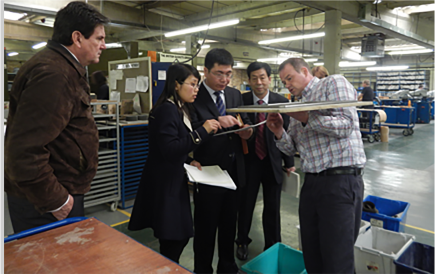
Extra thick steel washers are predominantly manufactured from carbon steel, alloy steel, and stainless steel, each offering unique properties tailored to specific application requirements. Carbon steels (e.g., 1045, 1050) provide high strength and affordability but are susceptible to corrosion. Alloy steels, incorporating elements like chromium, nickel, and molybdenum, enhance strength, toughness, and corrosion resistance. Stainless steels (e.g., 304, 316) offer superior corrosion resistance and are preferred in harsh environments. Material selection is dictated by the operating environment, load requirements, and desired lifespan. The manufacturing process typically involves blanking, forging, or stamping followed by machining and finishing operations. Blanking utilizes a die and punch to cut the washer shape from a sheet of steel. Forging, applying compressive forces to shape the washer, results in improved grain structure and mechanical properties. Stamping is cost-effective for high-volume production but may yield lower strength compared to forging. Precision machining, including turning and milling, ensures dimensional accuracy and surface finish. Heat treatment processes, such as hardening and tempering, are critical for achieving desired hardness, tensile strength, and ductility. Surface treatments like zinc plating, black oxide coating, or powder coating provide corrosion protection and enhance aesthetics. Precise control of these parameters – alloy composition, forging temperature, quenching medium, tempering time – is essential for consistent product quality and performance. A critical manufacturing consideration is maintaining concentricity and flatness to ensure uniform load distribution.
Performance & Engineering
The performance of extra thick steel washers is fundamentally governed by their ability to withstand compressive loads and maintain clamping force under dynamic conditions. Force analysis focuses on calculating the stress distribution within the washer and the connected joint. Higher thickness enhances the washer’s resistance to deformation and prevents stress concentrations that can lead to premature failure. Finite element analysis (FEA) is frequently employed to model the stress-strain behavior under various loading scenarios, including static loads, cyclic loads, and impact loads. Environmental resistance is a crucial consideration, particularly in corrosive environments. The choice of material and surface treatment directly influences the washer’s resistance to corrosion, oxidation, and chemical attack. Stainless steel washers are preferred in marine applications, chemical processing plants, and other environments where corrosion is a significant concern. Compliance requirements vary depending on the industry and application. For example, aerospace applications demand stringent quality control and traceability, adhering to standards like AS9100. Automotive applications require compliance with automotive industry standards such as IATF 16949. Functional implementation involves proper washer selection based on bolt size, load requirements, and joint geometry. The washer’s outer diameter must be sufficiently large to prevent it from buckling under load. The inner diameter must be appropriately sized to provide a snug fit around the bolt or screw. The thickness must be adequate to distribute the load effectively and prevent loosening.
Technical Specifications
| Material Grade | Thickness (mm) | Inner Diameter (mm) | Outer Diameter (mm) |
|---|---|---|---|
| Carbon Steel (1045) | 6.35 | 10.5 | 25.4 |
| Alloy Steel (4140) | 8.0 | 12.7 | 30.0 |
| Stainless Steel (304) | 5.0 | 8.0 | 20.0 |
| Stainless Steel (316) | 7.0 | 15.0 | 35.0 |
| Carbon Steel (1050) | 10.0 | 18.0 | 40.0 |
| Alloy Steel (8640) | 12.7 | 20.0 | 45.0 |
Failure Mode & Maintenance
Extra thick steel washers are susceptible to several failure modes, including fatigue cracking, yielding, corrosion, and surface damage. Fatigue cracking occurs under cyclic loading, initiating at stress concentrations and propagating through the material. This is particularly prevalent in applications involving vibration or fluctuating loads. Yielding occurs when the applied stress exceeds the material’s yield strength, resulting in permanent deformation. Corrosion, as previously discussed, weakens the material and reduces its load-carrying capacity. Surface damage, such as scratches, dents, or pitting, can create stress concentrations and accelerate fatigue cracking. Failure analysis typically involves visual inspection, microscopic examination, and mechanical testing. Non-destructive testing (NDT) methods, such as ultrasonic testing and magnetic particle inspection, can detect internal flaws and surface cracks. Maintenance strategies focus on preventative measures, including regular inspection, lubrication, and corrosion protection. Applying appropriate anti-seize compounds prevents galling and facilitates disassembly. Periodic tightening of fasteners maintains clamping force and prevents loosening. In corrosive environments, regular cleaning and application of protective coatings are essential. Replacement of damaged or corroded washers is critical to ensure continued joint integrity. Proper storage is also important, protecting washers from moisture and contamination. Regular torque checks, utilizing calibrated torque wrenches, are vital for maintaining optimal clamping force and preventing premature failure.
Industry FAQ
Q: What is the impact of hardness on the performance of an extra thick steel washer?
A: Hardness is a critical factor. Higher hardness generally indicates greater resistance to wear and deformation, but it can also reduce ductility and increase brittleness. The optimal hardness depends on the application. For high-load applications where wear resistance is paramount, a higher hardness is desirable. However, for applications where impact resistance is important, a lower hardness with higher ductility may be preferred. Heat treatment processes are used to precisely control hardness.
Q: How does material thickness influence load distribution and clamping force?
A: Increased thickness directly improves load distribution. A thicker washer spreads the load over a larger area, reducing stress concentration and increasing clamping force. This is particularly important in joints subjected to high loads or vibration. The thicker washer minimizes deformation under load, maintaining a consistent clamping force.
Q: What are the advantages of using alloy steel over carbon steel for extra thick washers in corrosive environments?
A: Alloy steels, particularly those containing chromium, nickel, and molybdenum, offer significantly improved corrosion resistance compared to carbon steel. These alloying elements form a passive layer on the surface, protecting the underlying metal from corrosion. While carbon steel requires additional surface treatments (e.g., plating, coating) to achieve adequate corrosion protection, alloy steel provides inherent resistance.
Q: What are the typical failure modes observed in extra thick steel washers subjected to prolonged cyclic loading?
A: Fatigue cracking is the most common failure mode under prolonged cyclic loading. Cracks typically initiate at stress concentrations, such as the inner or outer diameter, and propagate gradually until complete failure. Factors influencing fatigue life include load amplitude, frequency, material properties, and surface finish. Regular inspection and preventative maintenance are crucial for detecting and addressing fatigue cracks before they lead to catastrophic failure.
Q: How do different surface treatments (zinc plating, black oxide, powder coating) compare in terms of corrosion protection and cost?
A: Zinc plating offers good corrosion protection at a relatively low cost but provides limited protection against abrasion. Black oxide coating provides minimal corrosion protection but enhances aesthetics and reduces light reflection. Powder coating offers excellent corrosion protection and abrasion resistance but is generally more expensive. The choice of surface treatment depends on the operating environment, desired level of protection, and budget constraints.
Conclusion
Extra thick steel washers are indispensable components in numerous industrial applications demanding high load-bearing capacity and reliable fastening solutions. Their performance is dictated by a complex interplay of material science, manufacturing precision, and engineering considerations. The selection process requires a comprehensive understanding of material properties – including strength, ductility, and corrosion resistance – coupled with accurate assessment of application-specific load requirements and environmental conditions. Proper heat treatment and surface finishing are crucial for achieving optimal performance and longevity.
Ongoing advancements in materials science and manufacturing technologies continue to refine the design and production of extra thick steel washers, leading to enhanced performance and durability. Future trends are likely to focus on the development of lightweight, high-strength materials, as well as innovative surface treatments that provide superior corrosion protection and reduced friction. Maintaining robust quality control procedures and adhering to relevant industry standards remain paramount to ensuring the reliability and safety of these critical components.