
Introduction
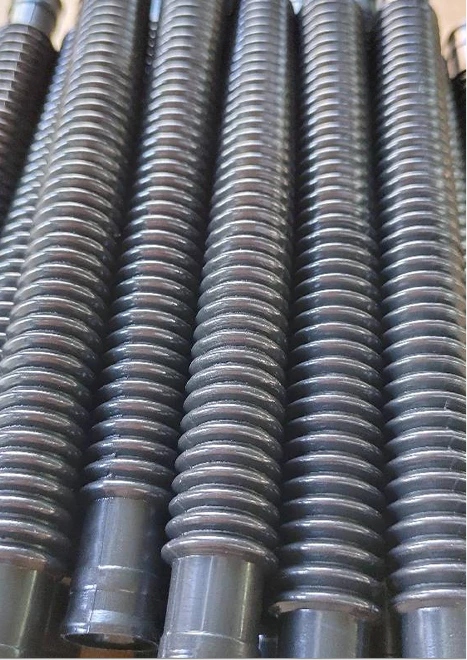
Conduit seal tight, also known as expandable conduit sealing compounds or waterblocking tapes, represents a critical component in the protection of electrical and communication cabling within conduit systems. Its primary function is to prevent the ingress of water, dust, and other contaminants that can compromise signal integrity and cause corrosion within the conduit. Positioned within the infrastructure chain following cable installation and preceding system commissioning, seal tight materials bridge the gap between conduit sections and cable jackets, maintaining environmental sealing. Core performance characteristics are defined by its ability to swell upon contact with water, forming a watertight barrier, its dielectric strength to prevent electrical shorts, and its long-term stability under varying temperature and humidity conditions. The increasing demand for reliable data transmission and power distribution, particularly in harsh environments, drives the need for high-performance conduit seal tight solutions. A prevalent industry pain point revolves around ensuring consistent application and long-term effectiveness, often challenged by improper installation techniques and material degradation over time.
Material Science & Manufacturing
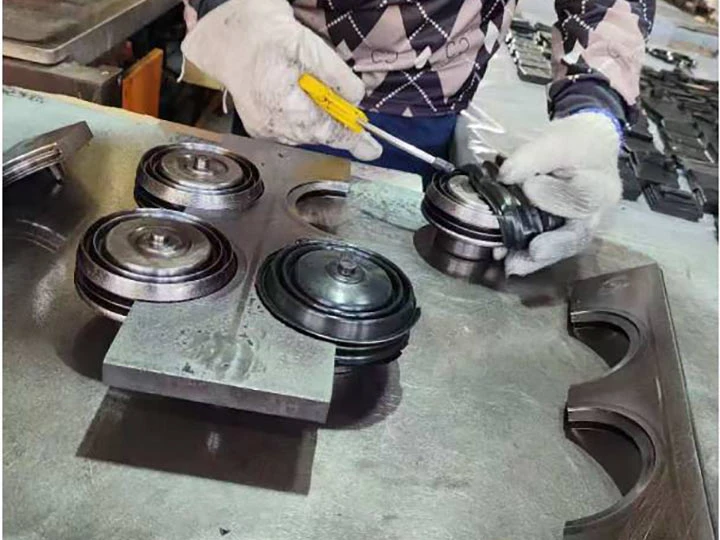
The composition of conduit seal tight typically centers around a polymer matrix – often a blend of thermoplastic elastomers (TPEs), polyolefins (like polyethylene or polypropylene), or polyvinyl chloride (PVC). These base polymers are chosen for their flexibility, water resistance, and compatibility with common conduit materials. Key additives include superabsorbent polymers (SAPs) – typically cross-linked polyacrylates – which are responsible for the swelling characteristic. The quantity and type of SAP directly influence the water absorption capacity and swelling rate. Fillers, such as talc or calcium carbonate, are incorporated to control viscosity, enhance mechanical properties, and reduce cost. Stabilizers (UV and thermal) are crucial for preventing degradation during service life. The manufacturing process often involves compounding: the precise mixing of the polymer base, SAP, fillers, and additives in a controlled environment. This is frequently done using twin-screw extruders, ensuring homogenous distribution. The resulting compound is then formed into various product formats – tapes, sleeves, or pre-formed shapes – using techniques such as extrusion coating, calendaring, or injection molding. Critical parameters during manufacturing include maintaining accurate temperature control to avoid polymer degradation, ensuring consistent SAP dispersion to prevent localized swelling, and controlling the moisture content of the raw materials to avoid premature SAP activation. Chemical compatibility is paramount; the seal tight material must not react with conduit materials (PVC, HDPE, metal) or the cable jacket (PVC, PE, XLPE).
Performance & Engineering
The performance of conduit seal tight is governed by several engineering principles. The swelling mechanism is driven by osmotic pressure: water molecules migrate into the SAP matrix, causing it to expand. The rate of swelling depends on water availability, temperature, and the SAP’s cross-linking density. The resulting pressure exerted by the swollen material against the conduit walls and cable jacket creates the watertight seal. Mechanical strength, specifically tensile strength and elongation at break, determines the material’s ability to withstand installation stresses and maintain integrity during cable movement. Dielectric strength, measured in kV/mm, is crucial to prevent electrical breakdown and short circuits, particularly in power cable applications. Environmental resistance is assessed through accelerated aging tests (temperature cycling, humidity exposure, UV radiation) to predict long-term performance. Compliance requirements often dictate specific performance standards, such as water absorption capacity (measured in grams of water absorbed per gram of material), swelling ratio (percentage increase in volume), and resistance to common chemicals found in the burial environment. Force analysis considers the clamping force exerted by the swollen seal tight, ensuring it adequately compresses against the cable jacket without causing damage. Proper sealing relies on creating a consistent, continuous barrier around the cable, requiring adequate overlap and compression during installation.
Technical Specifications
| Property | Typical Value | Test Method | Units |
|---|---|---|---|
| Water Absorption Capacity | 20-40 | ASTM D570 | g/g |
| Swelling Ratio | 200-500 | In-house method (volume comparison) | % |
| Tensile Strength | 10-25 | ASTM D412 | MPa |
| Elongation at Break | 200-500 | ASTM D412 | % |
| Dielectric Strength | 20-50 | ASTM D149 | kV/mm |
| Operating Temperature Range | -30 to 85 | In-house testing | °C |
Failure Mode & Maintenance
Conduit seal tight can experience several failure modes. Delamination, particularly in tape formats, can occur due to poor adhesion between layers or incompatibility with the conduit surface. This allows water ingress. SAPs can degrade over time due to UV exposure or chemical attack, reducing their water absorption capacity. Cracking, especially in areas of high stress or bending, can compromise the seal. Premature swelling, caused by exposure to moisture during storage or installation, can lead to reduced long-term effectiveness. Complete desiccation of the SAP can also render the seal ineffective. Migration of plasticizers from the seal tight material can lead to embrittlement and loss of flexibility. Maintenance typically involves visual inspection during routine cable maintenance. Signs of failure include visible gaps, cracks, or discoloration. In case of failure, the damaged section should be removed and replaced with a new seal tight application, ensuring proper overlap and compression. Prevention involves proper storage (cool, dry, dark environment), careful handling during installation to avoid damage, and selection of a material compatible with the specific conduit and cable types. Long-term monitoring of environmental conditions can help predict potential degradation and schedule proactive maintenance.
Industry FAQ
Q: What is the impact of conduit material (PVC vs. HDPE) on seal tight performance?
A: Different conduit materials have varying surface energies and chemical compositions. HDPE, being more hydrophobic than PVC, may require a seal tight formulation with enhanced adhesion properties. The compatibility of the seal tight with the plasticizer in PVC is also important, as migration can occur. Testing should be conducted to verify adhesion and long-term performance with the specific conduit material.
Q: How does temperature affect the swelling rate and capacity of the SAP?
A: Swelling rate generally increases with temperature up to a certain point, as higher temperatures enhance the diffusion of water into the SAP matrix. However, excessively high temperatures can degrade the SAP, reducing its capacity. Low temperatures can slow down the swelling rate significantly. The specified operating temperature range of the seal tight must be considered.
Q: What is the expected service life of a conduit seal tight installation?
A: Service life depends on environmental conditions, material quality, and installation practices. Typically, a properly installed and selected seal tight can provide effective sealing for 20-30 years, but this can be reduced by exposure to harsh chemicals, UV radiation, or extreme temperature fluctuations. Regular inspections are recommended.
Q: Are there any concerns regarding the use of certain chemicals with conduit seal tight?
A: Exposure to strong acids, bases, and organic solvents can degrade the polymer matrix and SAP within the seal tight. Compatibility with chemicals commonly found in the burial environment (e.g., fuels, lubricants, de-icing salts) should be verified before installation. Specific chemical resistance data should be requested from the manufacturer.
Q: What is the correct installation procedure to ensure a watertight seal?
A: Proper surface preparation of both the conduit and cable is essential. Ensure surfaces are clean, dry, and free from debris. Apply the seal tight with sufficient overlap (typically 50-75% on each side) and ensure adequate compression during installation. Follow the manufacturer's recommended application instructions for specific product formats (tape, sleeve, etc.).
Conclusion
Conduit seal tight plays a vital, yet often underestimated, role in the longevity and reliability of underground and in-conduit cabling systems. Its performance is directly linked to the careful selection of materials, precise manufacturing controls, and proper installation techniques. Understanding the underlying material science – particularly the behavior of superabsorbent polymers – and the engineering principles governing its sealing mechanism is crucial for mitigating potential failure modes and maximizing service life.
Future developments in conduit seal tight technology may focus on incorporating self-healing polymers, enhancing chemical resistance, and developing more sustainable and environmentally friendly formulations. Continued emphasis on quality control, standardized testing procedures, and rigorous field validation will be essential to ensure the ongoing effectiveness of these critical sealing components in increasingly demanding infrastructure applications.