
Introduction
CNC steel parts represent a critical component within the broader manufacturing landscape, specifically in subtractive manufacturing processes. These parts are produced via Computer Numerical Control (CNC) machining, utilizing hardened tool bits to remove material from steel stock to achieve precise geometries and tight tolerances. Their technical position lies between raw material supply (steel billets, bars, or sheets) and final assembly in a multitude of industries including automotive, aerospace, medical device manufacturing, and tooling. Core performance characteristics of CNC steel parts are defined by dimensional accuracy, surface finish, material properties (hardness, tensile strength, yield strength), and conformance to engineering drawings. The demand for these parts is driven by the increasing complexity of engineered products requiring high precision and repeatability, often in relatively low production volumes, rendering CNC machining a cost-effective and flexible manufacturing solution. Understanding the interplay between steel grade selection, machining parameters, and post-processing treatments is fundamental to achieving desired part performance and longevity.
Material Science & Manufacturing
CNC steel parts commonly utilize a range of steel alloys, categorized broadly as carbon steels, alloy steels, and stainless steels. Carbon steels (low, medium, and high carbon) offer good machinability but are susceptible to corrosion. Alloy steels, incorporating elements like chromium, nickel, molybdenum, and vanadium, provide enhanced strength, toughness, and wear resistance. Stainless steels, with a minimum chromium content of 10.5%, exhibit superior corrosion resistance, essential for applications in harsh environments. The physical properties – density (typically 7.85 g/cm³ for carbon steel), hardness (measured via Rockwell or Vickers scales), tensile strength, and yield strength – are heavily dependent on the specific alloy composition and heat treatment applied.
The manufacturing process begins with material selection based on application requirements. CNC machining involves several key stages: programming (using CAM software to generate toolpaths), setup (securely fixturing the workpiece), cutting (using rotating tools to remove material), and finishing (deburring, polishing, or coating). Key parameters to control include spindle speed, feed rate, depth of cut, and coolant application. Spindle speed and feed rate influence surface finish and tool wear; higher speeds generally improve surface finish but accelerate tool wear. Depth of cut affects machining time and tool load. Coolant serves to dissipate heat, lubricate the cutting interface, and flush away chips. Modern CNC machining centers often incorporate 3, 4, or 5-axis capabilities, enabling the creation of complex geometries. Post-processing heat treatments, such as quenching and tempering, can further refine material properties to meet specific application needs. Wire Electrical Discharge Machining (WEDM) is frequently used for creating intricate shapes and features inaccessible with conventional cutting tools, particularly in hardened steel.
Performance & Engineering
The performance of CNC steel parts is dictated by a complex interplay of force analysis, environmental resistance, and adherence to stringent compliance requirements. Force analysis is crucial during the design phase to ensure structural integrity under load. Finite Element Analysis (FEA) is often employed to simulate stress distribution and identify potential failure points. Fatigue resistance is particularly important in applications involving cyclic loading. Environmental resistance encompasses corrosion resistance (addressed by material selection – stainless steels, coatings), wear resistance (enhanced by surface treatments – nitriding, carburizing), and temperature stability. For aerospace and automotive applications, CNC steel parts must meet rigorous standards related to material traceability, dimensional accuracy, and non-destructive testing (NDT) methods like ultrasonic testing and radiographic inspection.
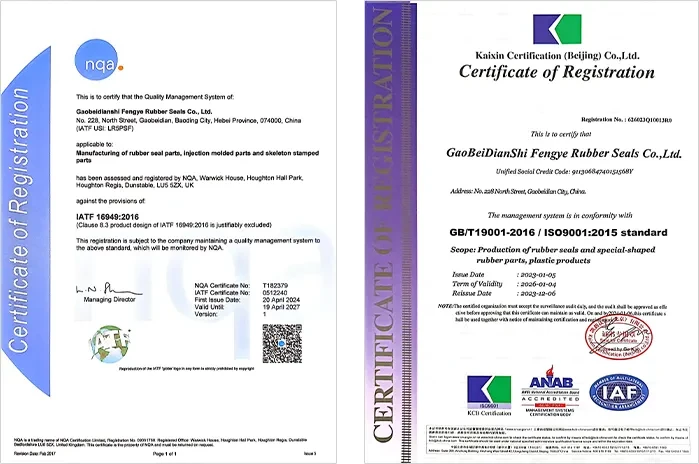
Compliance requirements vary depending on the industry. Aerospace parts are subject to AS9100 standards, emphasizing quality management and process control. Automotive components must adhere to IATF 16949, focusing on continuous improvement and defect prevention. Medical device parts require compliance with ISO 13485, ensuring patient safety and regulatory adherence. Functional implementation details often involve precision fits and tolerances. Press-fit assemblies, for example, require careful control of dimensional variations to ensure reliable connections. Threaded features necessitate accurate thread profiles and pitch diameters to guarantee proper fastening. Surface treatments, like anodizing or plating, provide additional protection against corrosion or wear and can modify surface characteristics for specific applications (e.g., electrical conductivity).
Technical Specifications
| Steel Grade | Tensile Strength (MPa) | Yield Strength (MPa) | Hardness (Rockwell C) |
|---|---|---|---|
| 1018 Carbon Steel | 440 | 250 | 60-70 |
| 4140 Alloy Steel | 860 | 655 | 28-34 |
| 304 Stainless Steel | 517 | 205 | 85-100 |
| 316 Stainless Steel | 586 | 248 | 88-102 |
| 7075 Aluminum (for comparison) | 572 | 510 | 150 |
| D2 Tool Steel | 1930 | 1600 | 60-65 |
Failure Mode & Maintenance
CNC steel parts are susceptible to several failure modes depending on the application and operating environment. Fatigue cracking, induced by cyclic loading, often initiates at stress concentrators like sharp corners or thread roots. Delamination can occur in coated parts due to poor adhesion or thermal stress. Corrosion, particularly in carbon steels, leads to material degradation and loss of structural integrity. Oxidation at elevated temperatures can alter surface properties and reduce wear resistance. Tool wear during machining can result in dimensional inaccuracies and poor surface finish. Fracture, resulting from excessive stress, is a catastrophic failure mode.
Preventive maintenance is crucial for maximizing part lifespan. Regular inspection for cracks, corrosion, and wear is recommended. Lubrication reduces friction and wear in moving parts. Protective coatings (e.g., galvanizing, powder coating) mitigate corrosion. Proper storage in a controlled environment minimizes exposure to damaging elements. For critical applications, non-destructive testing (NDT) methods, such as ultrasonic testing or magnetic particle inspection, can detect subsurface flaws before they lead to failure. Should a part fail, failure analysis techniques, including metallography and fracture surface examination, can determine the root cause and inform design improvements or material selection changes.
Industry FAQ
Q: What is the impact of cutting tool material on the surface finish of CNC steel parts?
A: Cutting tool material significantly impacts surface finish. Carbide tools generally provide better surface finish and longer tool life than high-speed steel tools, especially when machining harder steel alloys. Coated carbide tools (e.g., TiN, TiAlN) further enhance surface finish and wear resistance. Polycrystalline Diamond (PCD) tools are used for highly abrasive materials and can achieve exceptionally smooth surface finishes.
Q: How does heat treatment affect the dimensional stability of a CNC steel part?
A: Heat treatment can introduce residual stresses that cause dimensional changes over time. Stress relieving heat treatments are often employed after machining to minimize these distortions. Quenching and tempering processes can also induce dimensional variations, requiring careful process control and post-machining inspection to ensure conformance to specifications.
Q: What are the key considerations when selecting a steel alloy for a CNC machined part intended for a corrosive environment?
A: The primary consideration is corrosion resistance. Stainless steels, particularly 316 stainless steel (containing molybdenum), are excellent choices for corrosive environments. Alternatively, carbon or alloy steels can be protected with corrosion-resistant coatings like galvanizing, chromating, or powder coating. The specific corrosive agent (e.g., saltwater, acids, bases) will dictate the optimal material or coating selection.
Q: What is the role of coolant in CNC steel machining, and what types are commonly used?
A: Coolant serves multiple critical functions: heat dissipation, lubrication, and chip removal. It reduces tool wear, improves surface finish, and prevents workpiece distortion. Commonly used coolant types include water-based coolants (emulsions and synthetic fluids), oil-based coolants (straight oils and soluble oils), and air cooling. The selection depends on the material being machined, the cutting tool material, and the desired surface finish.
Q: What are the typical tolerances achievable with CNC steel machining?
A: Typical tolerances achievable with CNC steel machining range from ±0.005 inches (0.13 mm) to ±0.001 inches (0.025 mm). Tighter tolerances are achievable, but they come at increased cost due to longer machining times, more frequent tool changes, and stricter quality control requirements. The achievable tolerance also depends on the steel alloy, part geometry, and machining process used.
Conclusion
CNC steel parts represent a versatile and precise manufacturing solution catering to a diverse range of industries. The successful application of this technology hinges upon a thorough understanding of material science, manufacturing processes, and performance engineering principles. Careful alloy selection, precise parameter control during machining, and appropriate post-processing treatments are all vital to achieving desired part characteristics and ensuring long-term reliability.
Moving forward, advancements in CNC machining technology, such as multi-axis machining, additive manufacturing integration, and intelligent tooling systems, will continue to expand the capabilities and efficiency of producing complex CNC steel parts. A growing emphasis on sustainability will drive the adoption of eco-friendly cutting fluids and optimized machining strategies to minimize waste and energy consumption. Continued investment in process monitoring and quality control will be essential for maintaining the high levels of precision and repeatability demanded by modern engineering applications.