
Introduction
Beveled stainless steel washers are critical fastening components used across a vast spectrum of industrial applications, including aerospace, automotive, construction, and marine engineering. Unlike flat washers, the beveled edge is engineered to distribute load over a larger surface area, compensate for misaligned parts, and enhance the clamping force of bolted connections. This guide provides a comprehensive technical overview of these washers, covering material science, manufacturing processes, performance characteristics, potential failure modes, and relevant industry standards. Their primary function is to prevent damage to the clamped surface and to ensure even load distribution, mitigating stress concentrations that can lead to joint failure. The core challenge in selecting and implementing beveled stainless steel washers lies in understanding the interplay between material grade, bevel angle, surface finish, and the specific demands of the application environment.
Material Science & Manufacturing
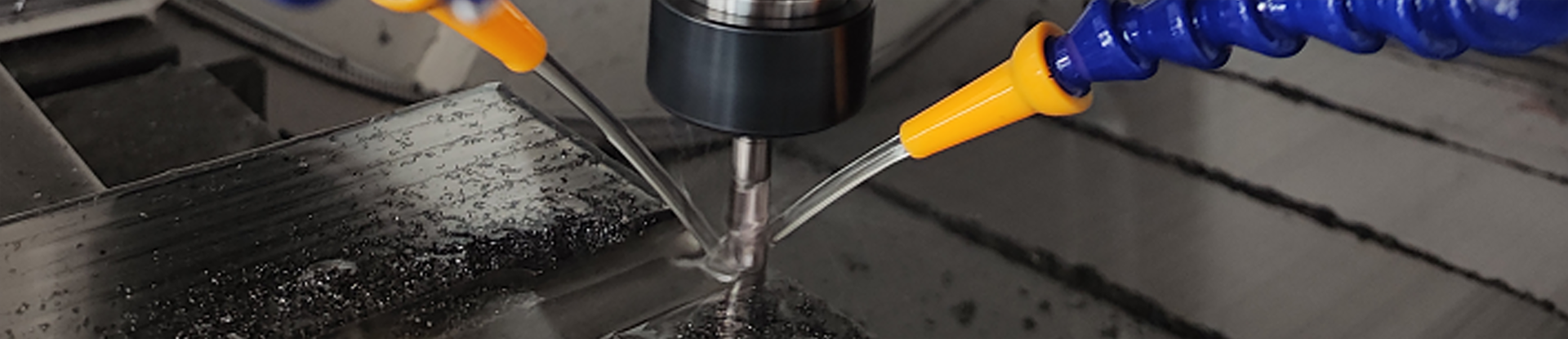
Beveled stainless steel washers are predominantly manufactured from austenitic stainless steel grades, most commonly 304 and 316. 304 stainless steel offers excellent corrosion resistance in mild environments, containing approximately 18% chromium and 8% nickel. 316, containing molybdenum, significantly enhances corrosion resistance, particularly against chlorides and saltwater, making it ideal for marine and chemical processing applications. The raw material typically arrives in coil or sheet form. Manufacturing commences with blanking, where the washer shape is cut from the sheet using progressive dies. Critical parameters during blanking include die geometry, material hardness, and stroke rate to minimize deformation and maintain dimensional accuracy. Following blanking, a beveling process is employed. This can be achieved through machining, stamping, or forming. Machining offers the highest precision but is more costly. Stamping and forming are suitable for high-volume production. Surface finish is crucial; passivation treatments are commonly used to enhance corrosion resistance by creating a chromium-rich protective layer. Quality control involves rigorous dimensional inspection, hardness testing (using Rockwell or Vickers scales), and corrosion resistance testing (salt spray testing according to ASTM B117). Material microstructure plays a vital role; proper annealing after cold working ensures optimal ductility and prevents stress corrosion cracking.

Performance & Engineering
The performance of a beveled stainless steel washer is dictated by its ability to withstand compressive loads, resist corrosion, and maintain dimensional stability under varying environmental conditions. Force analysis involves calculating the stress distribution under the bolt head or nut, considering the bevel angle and contact area. A larger bevel angle generally distributes the load over a wider area, reducing stress concentration but potentially increasing the overall height of the assembly. Environmental resistance is paramount; exposure to corrosive media (acids, chlorides, sulfides) can lead to pitting corrosion, crevice corrosion, or galvanic corrosion. The selection of the appropriate stainless steel grade (304 vs. 316) is critical, alongside passivation treatments and the potential use of coatings (e.g., PTFE, ceramic). Compliance requirements often dictate specific material certifications (e.g., RoHS, REACH) and testing protocols. Functional implementation hinges on proper washer selection based on bolt size, load requirements, and environmental exposure. Misalignment compensation is a key benefit of using beveled washers; the bevel allows for slight angular discrepancies between the fastener and the clamped surface without compromising the integrity of the joint. Finite element analysis (FEA) is frequently employed to optimize washer geometry and predict stress distribution under complex loading scenarios.
Technical Specifications
| Material Grade | Bevel Angle (Degrees) | Inner Diameter (mm) | Outer Diameter (mm) |
|---|---|---|---|
| 304 Stainless Steel | 15 | 6 | 16 |
| 316 Stainless Steel | 30 | 8 | 20 |
| 304 Stainless Steel | 45 | 10 | 25 |
| 316 Stainless Steel | 60 | 12 | 30 |
| 304 Stainless Steel | 15 | 16 | 32 |
| 316 Stainless Steel | 30 | 20 | 40 |
Failure Mode & Maintenance
Common failure modes for beveled stainless steel washers include fatigue cracking (due to cyclic loading), pitting corrosion (localized corrosion initiated by chloride ions), crevice corrosion (occurring in shielded areas), and deformation (resulting from excessive load or improper installation). Fatigue cracking typically initiates at stress concentrators, such as the inner diameter or the bevel edge. Pitting corrosion manifests as small, localized holes on the surface, weakening the washer's structural integrity. Crevice corrosion arises in gaps between the washer and the clamped surfaces. Deformation can alter the washer’s geometry, reducing its ability to distribute load effectively. Maintenance primarily involves regular inspection for signs of corrosion or damage. Surface cleaning with appropriate solvents removes contaminants that can accelerate corrosion. Periodic torque checks ensure that the bolted connection remains properly tightened. In severe cases of corrosion, replacement of the washers is necessary. Preventive measures include selecting the appropriate stainless steel grade for the application environment, applying protective coatings, and implementing a routine inspection and maintenance program. Galvanic corrosion can be mitigated by using compatible materials or applying isolating coatings.
Industry FAQ
Q: What is the primary difference between a 304 and 316 stainless steel washer in terms of corrosion resistance?
A: 316 stainless steel contains molybdenum, which significantly enhances its resistance to chloride corrosion, making it superior to 304 in marine environments, chemical processing plants, and applications exposed to saltwater. 304 provides excellent corrosion resistance in milder, non-chloride environments.
Q: How does the bevel angle affect the load distribution and clamping force?
A: A larger bevel angle distributes the load over a wider surface area, reducing stress concentration. However, it can also slightly reduce the overall clamping force, as the load is spread over a larger area. The optimal bevel angle depends on the specific application and the degree of misalignment expected.
Q: What is passivation, and why is it important for stainless steel washers?
A: Passivation is a chemical treatment that creates a chromium-rich oxide layer on the surface of the stainless steel. This layer provides enhanced corrosion resistance by acting as a barrier against corrosive elements. It's crucial for maximizing the lifespan and performance of stainless steel washers.
Q: Can stainless steel washers be used with dissimilar metals without causing galvanic corrosion?
A: Galvanic corrosion can occur when dissimilar metals are in contact in the presence of an electrolyte. To mitigate this, use isolating coatings (e.g., PTFE) or select materials with similar electrochemical potentials. Proper design and material selection are critical.
Q: What is the recommended torque for tightening fasteners with beveled stainless steel washers?
A: The recommended torque depends on the bolt size, material grade, and lubrication. Consult the fastener manufacturer's specifications or use a torque wrench calibrated to the appropriate value. Over-tightening can lead to deformation or stripping of the threads.
Conclusion
Beveled stainless steel washers are essential components in numerous industrial applications, providing enhanced load distribution, misalignment compensation, and corrosion resistance. The selection process requires careful consideration of material grade (304 vs. 316), bevel angle, dimensional accuracy, and the specific demands of the operating environment. Understanding the potential failure modes – fatigue cracking, corrosion, and deformation – is paramount for ensuring long-term reliability and minimizing the risk of joint failure.
Future advancements in washer design may focus on optimizing bevel geometry using advanced simulation techniques and exploring the use of novel coatings to further enhance corrosion resistance and wear properties. Implementing robust inspection and maintenance programs remains critical for maximizing the lifespan and performance of these critical fastening components. The continued demand for high-performance, durable fasteners will drive innovation in materials, manufacturing processes, and quality control procedures for beveled stainless steel washers.