
Introduction
The arbor press is a mechanical device used to exert force, primarily for metal stamping, forming, and assembly operations. Positioned within the manufacturing sector as a crucial component of short-run production and prototyping, it offers a cost-effective alternative to fully automated stamping presses. Unlike power presses which utilize a motor and flywheel, arbor presses rely on manual leverage, affording precise control over the applied force. Core performance characteristics include consistent force application, adaptability to diverse tooling, and suitability for applications requiring controlled deformation of materials. A key pain point for manufacturers is achieving consistent stamping quality across varying material thicknesses and complex geometries; arbor presses address this through operator skill and adaptable tooling. This guide details the material science, manufacturing processes, performance parameters, potential failure modes, and maintenance protocols associated with arbor presses employed in metal stamping.
Material Science & Manufacturing
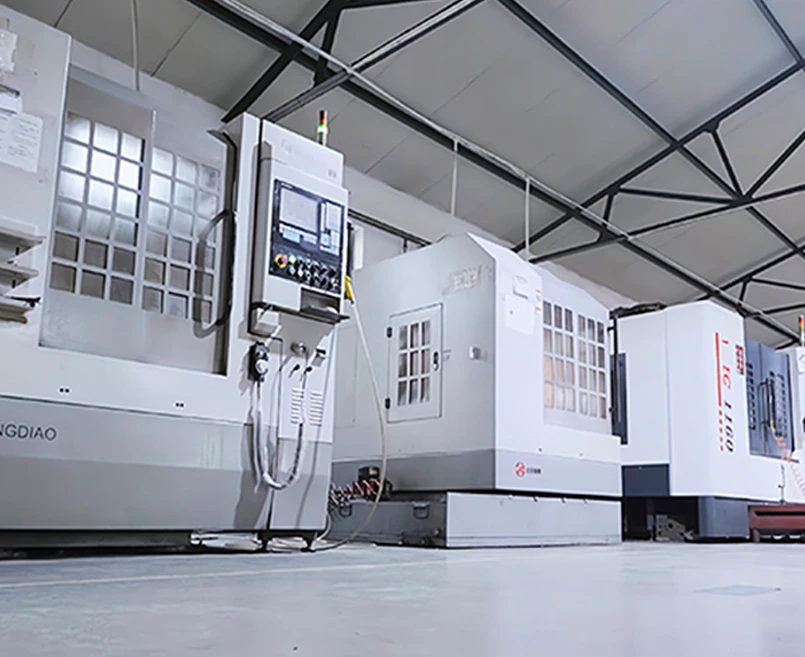
Arbor presses are typically constructed from cast iron (ASTM A128) for the frame, offering high compressive strength and vibration damping. The ram and platen often utilize hardened tool steels (AISI D2, HRC 60-65) to withstand repetitive stresses and wear during stamping operations. The lever arm is commonly manufactured from carbon steel (AISI 1045) offering a balance of strength and machinability. Manufacturing processes vary depending on component complexity. The frame is typically created via sand casting followed by stress relieving to minimize residual stresses. Ram and platen components are machined from bar stock using CNC milling and turning, with subsequent hardening and tempering heat treatments. The lever arm undergoes forging, machining, and often induction hardening at the pivot point. Critical parameter control during manufacturing includes maintaining dimensional tolerances (±0.025mm) on mating surfaces for smooth operation and precise force transmission. Surface finish quality (Ra < 1.6 µm) is crucial on the ram and platen to minimize friction and prevent material galling. Lubrication with high-pressure grease (NLGI Grade 2, lithium-based) is vital during assembly and periodic maintenance to reduce wear and ensure consistent force application. The choice of sealant between the frame and base influences vibration damping and noise reduction; elastomeric pads are frequently utilized.
Performance & Engineering
The performance of an arbor press in metal stamping is fundamentally governed by force application, stroke length, and ram speed. Force is calculated based on lever arm ratio and applied force by the operator (F = Effort x Lever Arm Ratio). Maximum force capacity dictates the gauge of material that can be stamped. Stroke length determines the depth of forming or the maximum thickness of materials that can be accommodated. Ram speed, while manually controlled, impacts cycle time and material deformation characteristics. Engineering considerations include frame rigidity to minimize deflection under load, which directly affects stamping accuracy. Finite Element Analysis (FEA) is used to optimize frame geometry and identify stress concentration points. The press's stability is critical, demanding a substantial base and secure mounting to the work surface. Environmental resistance focuses on corrosion protection; powder coating (ASTM B117 salt spray testing) or phosphatizing is common. Compliance requirements are often dictated by safety standards (OSHA in the US, EN ISO 12100 in Europe) requiring guarding to prevent operator injury. Tooling design is paramount; proper die alignment and sufficient clamping force are crucial for consistent results. Fatigue analysis of the lever arm and ram is essential for determining service life, particularly in high-volume applications.
Technical Specifications
| Capacity (Tons) | Stroke Length (mm) | Ram Travel Adjustment (mm) | Overall Height (mm) |
|---|---|---|---|
| 15 | 127 | 100 | 635 |
| 30 | 152 | 127 | 762 |
| 50 | 203 | 152 | 914 |
| 75 | 254 | 203 | 1067 |
| 100 | 305 | 254 | 1270 |
| 150 | 381 | 305 | 1524 |
Failure Mode & Maintenance
Common failure modes in arbor presses used for metal stamping include lever arm fatigue cracking, ram bending or breakage, die misalignment leading to stamping defects, and bearing wear in the ram and lever pivot points. Fatigue cracking in the lever arm typically originates at stress concentration points (e.g., weld joints, pivot holes) and propagates under cyclic loading. Ram bending or breakage results from exceeding the press's capacity or applying uneven force. Die misalignment causes inconsistent stamping dimensions and potential damage to the tooling. Bearing wear manifests as increased friction, reduced force transmission, and operational noise. Preventative maintenance is critical. This includes regular lubrication of all moving parts with high-pressure grease, visual inspection for cracks or deformation, and periodic tightening of fasteners. Bearing replacement should occur based on manufacturer recommendations or when excessive play is detected. Die alignment should be checked and adjusted regularly using precision measuring instruments. Lever arm stress testing (dye penetrant inspection) can identify incipient cracks before catastrophic failure. Operator training is paramount to prevent overloading and improper use. For significant structural damage (e.g., frame cracking), professional repair or replacement is required. Implementing a scheduled maintenance program with documented inspections and repairs ensures optimal performance and extends the service life of the arbor press.
Industry FAQ
Q: What material properties should be considered when selecting tooling for an arbor press stamping operation?
A: Tooling material selection is critical. High-carbon tool steels (D2, A2) are generally preferred for punches and dies due to their high hardness, wear resistance, and ability to maintain dimensional stability. The tooling must be able to withstand the forces generated during stamping without deformation or fracture. Consider the material being stamped; softer materials require less hardened tooling, while harder materials necessitate more robust tooling. The tooling must also be compatible with the press's capacity.
Q: How does the lever arm ratio affect the stamping force achievable with an arbor press?
A: The lever arm ratio directly determines the mechanical advantage. A higher lever arm ratio multiplies the operator's applied force, allowing for greater stamping force. However, a higher ratio also reduces the ram speed. The relationship is linear: Force = Effort x Lever Arm Ratio. Therefore, selecting the appropriate ratio involves a trade-off between force and speed, tailored to the specific application.
Q: What are the key safety considerations when operating an arbor press for metal stamping?
A: Safety is paramount. Operators must wear appropriate personal protective equipment (PPE), including safety glasses, gloves, and hearing protection. Guarding must be in place to prevent contact with moving parts. Two-hand operation is recommended to prevent accidental injury. The workpiece must be securely clamped to prevent movement during stamping. Operators should be thoroughly trained on safe operating procedures and emergency stop procedures.
Q: How do I diagnose and address issues with inconsistent stamping depth?
A: Inconsistent stamping depth can be caused by several factors. First, verify the tooling is properly aligned and secured. Check for wear or damage to the punch and die. Ensure the material being stamped is of consistent thickness. Verify the ram is traveling the full stroke. If the problem persists, inspect the press frame for deflection or looseness.
Q: What is the recommended maintenance schedule for an arbor press used in a production environment?
A: A comprehensive maintenance schedule should include daily lubrication of all moving parts, weekly visual inspections for damage or wear, monthly tightening of fasteners, and annual bearing inspection and replacement. Lever arm stress testing (dye penetrant) should be conducted annually. Regularly check and adjust die alignment. Maintain a detailed maintenance log to track all inspections and repairs.
Conclusion
The arbor press remains a versatile and cost-effective solution for metal stamping, particularly in low-to-medium volume production scenarios. Its performance is critically linked to material selection, precise manufacturing, and diligent maintenance. Understanding the interplay between force application, stroke length, tooling design, and potential failure modes is crucial for maximizing operational efficiency and ensuring operator safety.
Future trends may involve integrating sensor technologies for real-time force monitoring and automated stroke control, enhancing precision and repeatability. Continued advancements in material science will likely lead to the development of more durable and wear-resistant tooling, extending service life and reducing downtime. Investing in operator training and adhering to rigorous maintenance protocols will remain paramount to sustaining the reliability and productivity of arbor presses in modern manufacturing environments.