

Introduction
Aluminum saddle washers are specialized fastening components utilized across a broad spectrum of industrial applications, most notably in structural bolting for steel construction, pipeline support systems, and heavy equipment assembly. Their primary function is to distribute load from a bolt or screw across a wider surface area, protecting the connected materials from damage and maintaining clamping force. Positioned within the industry chain, they represent a critical consumable component following the production of fasteners and preceding final assembly. Core performance characteristics revolve around compressive strength, corrosion resistance (dependent on alloy selection), and dimensional stability under varying environmental conditions. Compared to standard flat washers, the saddle profile provides improved load distribution on uneven or slightly irregular surfaces, a key requirement in many field installation scenarios. The industry frequently encounters issues with insufficient load spreading, leading to premature material failure; improper alloy selection for the operating environment, resulting in corrosion; and dimensional inconsistencies that compromise structural integrity. This guide provides a detailed technical overview of aluminum saddle washers, addressing material science, manufacturing processes, performance considerations, failure modes, and relevant industry standards.
Material Science & Manufacturing
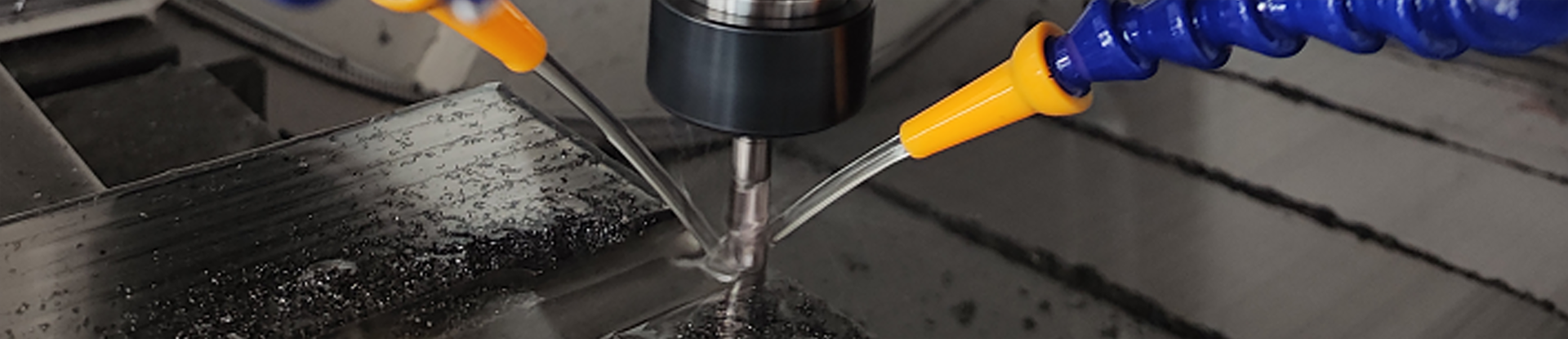
The selection of aluminum alloy is paramount to the performance of saddle washers. Commonly employed alloys include 6061-T6 (known for its strength and weldability), 5052-H32 (excellent corrosion resistance, particularly in marine environments), and 3003-H14 (high formability and weldability for complex shapes). 6061-T6, containing magnesium and silicon, exhibits a tensile strength around 310 MPa and a yield strength of 276 MPa. 5052-H32, primarily alloyed with magnesium, boasts superior corrosion resistance but has a lower tensile strength, approximately 260 MPa. The manufacturing process typically begins with aluminum billet or coil stock. Saddle washers are predominantly produced via cold heading or stamping processes. Cold heading involves plastically deforming the aluminum into the desired shape using dies in a press. This process improves the material’s grain structure, increasing strength. Stamping, on the other hand, utilizes a die and punch to cut and form the washer from sheet metal. Critical parameters during manufacturing include lubrication to reduce friction and prevent galling, precise die geometry to ensure dimensional accuracy, and control of the forming speed to avoid material cracking. Post-processing operations often include deburring to remove sharp edges and potentially anodizing or coating to enhance corrosion resistance and improve surface finish. Quality control necessitates rigorous dimensional inspection (using calipers, micrometers, and coordinate measuring machines – CMMs) and material verification through chemical composition analysis (e.g., using X-ray fluorescence – XRF).
Performance & Engineering
The performance of an aluminum saddle washer is dictated by its ability to withstand compressive loads without deformation or failure. Force analysis considers the clamping force exerted by the bolted connection, the surface hardness of the connected materials, and the washer's contact area. The saddle profile’s curvature is engineered to maximize load distribution, reducing stress concentration on the substrate. Finite Element Analysis (FEA) is often employed during the design phase to optimize the washer’s geometry and predict its behavior under load. Environmental resistance is critical, especially in corrosive environments. Aluminum alloys form a passive oxide layer that protects against further corrosion, but this layer can be compromised by chlorides, sulfides, or extreme pH levels. Galvanic corrosion is also a concern when aluminum is in contact with dissimilar metals; careful material selection is required to mitigate this risk. Compliance requirements vary depending on the application. In structural applications (e.g., bridge construction), saddle washers must meet the specifications outlined in relevant building codes (e.g., AISC in the US, Eurocode 3 in Europe). For pipeline applications, they must conform to API standards. Functional implementation demands precise dimensional control to ensure proper fit and alignment within the bolted joint. Improper fit can lead to uneven load distribution and reduced clamping force.
Technical Specifications
| Alloy | Tensile Strength (MPa) | Hardness (Brinell) | Corrosion Resistance |
|---|---|---|---|
| 6061-T6 | 310 | 150 | Good (with surface treatment) |
| 5052-H32 | 260 | 85 | Excellent (especially marine) |
| 3003-H14 | 170 | 60 | Good (moderate environments) |
| 7075-T6 | 572 | 180 | Fair (requires protective coating) |
| Dimension (Outer Diameter) | Typical Range (mm) | Tolerance (mm) | Standard |
| Dimension (Inner Diameter) | Typical Range (mm) | Tolerance (mm) | Standard |
Failure Mode & Maintenance
Aluminum saddle washers can fail through several mechanisms. Fatigue cracking can occur under cyclic loading, particularly at stress concentration points (e.g., edges of the saddle profile). Corrosion, as previously mentioned, is a significant failure mode, leading to material degradation and loss of strength. Galvanic corrosion accelerates this process when in contact with dissimilar metals. Creep, or time-dependent deformation under sustained load, can also compromise the washer’s performance, especially at elevated temperatures. Delamination can occur in coated washers if the coating is improperly applied or damaged. Failure analysis typically involves visual inspection (to identify cracks or corrosion), microscopic examination (to assess material microstructure and fracture surfaces), and chemical analysis (to determine the composition of corrosion products). Maintenance involves periodic inspection of bolted connections to ensure proper clamping force and to identify any signs of washer degradation. Regular cleaning to remove corrosive contaminants (e.g., salt spray) is essential, especially in harsh environments. Protective coatings (e.g., anodizing, painting) should be reapplied as needed to maintain corrosion resistance. In cases of significant degradation or damage, washers should be replaced immediately to prevent structural failure.
Industry FAQ
Q: What is the impact of the washer’s surface finish on its performance?
A: The surface finish significantly impacts friction and corrosion resistance. A smoother surface finish reduces friction during installation, ensuring proper torque application. It also minimizes surface defects that can act as initiation sites for corrosion. Anodizing or other surface treatments further enhance corrosion protection and improve wear resistance.
Q: How does the choice of alloy affect the washer’s susceptibility to galvanic corrosion?
A: Aluminum is generally anodic to many common structural metals like steel. This means it will corrode preferentially when in direct contact. Selecting alloys with similar electrochemical potentials or employing insulating materials between the aluminum washer and other metals can minimize galvanic corrosion. 5052-H32 offers better corrosion resistance in many scenarios.
Q: What are the key considerations for selecting a saddle washer for high-temperature applications?
A: At elevated temperatures, the strength of aluminum alloys decreases. 7075-T6 generally retains more strength at higher temperatures than 6061-T6, but it’s more susceptible to corrosion. Creep becomes a more significant concern. Proper design and material selection must account for these factors, and potentially utilize specialized high-temperature aluminum alloys.
Q: What are the typical dimensional tolerances for aluminum saddle washers?
A: Typical tolerances for outer diameter are +/- 0.1mm, and for inner diameter, +/- 0.05mm. The thickness tolerance is also around +/- 0.05mm. However, tolerances should always be specified in accordance with the application’s requirements and the relevant industry standards.
Q: How important is the proper installation torque when using aluminum saddle washers?
A: Proper installation torque is crucial. Insufficient torque leads to inadequate clamping force and potential loosening of the connection. Excessive torque can crush the washer or strip the threads. Torque specifications should be based on the bolt size, material, and the specific application requirements, and verified using calibrated torque wrenches.
Conclusion
Aluminum saddle washers represent a vital component in numerous industrial fastening applications, offering a balance of strength, corrosion resistance, and load distribution capabilities. The careful selection of alloy, precise manufacturing processes, and consideration of environmental factors are all essential for ensuring optimal performance and longevity. Understanding the potential failure modes – including fatigue, corrosion, and creep – allows for proactive maintenance strategies and mitigation of risks.
Future developments in aluminum alloy technology, combined with advancements in surface treatment and coating processes, will continue to enhance the performance and durability of these critical components. Further research into optimizing saddle profile geometry using advanced FEA techniques will lead to improved load distribution and reduced stress concentration. Adherence to relevant industry standards and rigorous quality control procedures remain paramount for ensuring the reliability of aluminum saddle washers in demanding applications.