
Introduction
Alloy washers are critical load-distributing components utilized in a broad spectrum of mechanical assemblies across industries including automotive, aerospace, construction, and industrial machinery. Unlike commodity steel washers, alloy washers are manufactured from metallic alloys – typically stainless steel, aluminum alloys, or brass – chosen for their enhanced corrosion resistance, mechanical strength, and ability to withstand extreme temperatures. Their primary function is to distribute the load of a fastener, preventing damage to the joined materials and maintaining consistent clamping force. Within the fastening supply chain, alloy washers represent a specialized sub-segment demanding precision manufacturing and material traceability. A key performance characteristic is their resistance to loosening due to vibration, a significant pain point in high-stress applications. The selection of the correct alloy washer is crucial for ensuring long-term joint integrity and preventing premature failure.
Material Science & Manufacturing
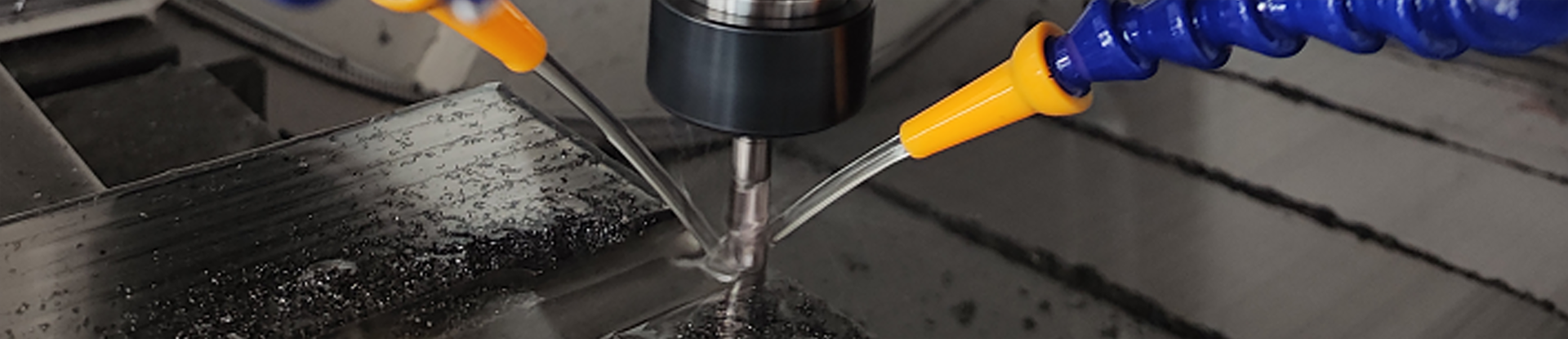
The raw materials for alloy washers dictate their performance characteristics. Stainless steel alloys, such as 304 and 316, are common due to their excellent corrosion resistance stemming from the chromium content forming a passive oxide layer. Aluminum alloys (e.g., 5052, 6061) offer a high strength-to-weight ratio, making them suitable for aerospace and automotive applications where weight reduction is paramount. Brass alloys (e.g., C36000) provide good electrical conductivity and corrosion resistance, often used in electrical connectors. Manufacturing processes typically begin with metal sheet stock, which is then processed through blanking to create the washer shape. This is often followed by secondary operations like chamfering to remove sharp edges, and potentially, surface treatments such as passivation (for stainless steel) or anodizing (for aluminum). Precise control of the blanking die geometry is critical to ensure dimensional accuracy. Heat treatment is frequently employed to optimize the alloy's mechanical properties – specifically, increasing hardness and tensile strength. Critical parameters include temperature, dwell time, and cooling rate, all meticulously controlled to avoid compromising the material’s ductility or introducing internal stresses that could lead to premature failure. Quality control measures include material certification (confirming alloy composition), dimensional inspection using coordinate measuring machines (CMMs), and hardness testing (Rockwell or Vickers scales).
Performance & Engineering
The engineering performance of alloy washers centers around their ability to withstand compressive loads and resist deformation under cyclical stress. Force analysis typically considers the fastener preload, external loads applied to the joint, and the washer's geometry (inner diameter, outer diameter, thickness). Finite Element Analysis (FEA) is often used to model the stress distribution within the washer and the surrounding materials, optimizing washer design and material selection. Environmental resistance is a critical consideration, particularly in corrosive environments. Stainless steel grades with higher molybdenum content (e.g., 316) exhibit superior resistance to chloride pitting and crevice corrosion. For applications involving high temperatures, the alloy’s creep resistance and thermal expansion coefficient become crucial factors. Compliance requirements vary by industry; aerospace applications demand adherence to stringent materials standards and traceability requirements (e.g., AMS specifications). Washers are often engineered to provide a specific bearing surface, minimizing friction and preventing galling between the fastener and the joined materials. Locking mechanisms, such as split washers or serrated washers, are incorporated to increase resistance to loosening due to vibration. The spring rate of a locking washer is a key performance parameter, dictating its effectiveness in maintaining clamping force.
Technical Specifications
| Material Grade | Tensile Strength (MPa) | Hardness (Rockwell C) | Corrosion Resistance (ASTM B117 Salt Spray - Hours) |
|---|---|---|---|
| Stainless Steel 304 | 500-700 | 85-100 | 1000+ |
| Stainless Steel 316 | 550-800 | 85-105 | 3000+ |
| Aluminum Alloy 5052 | 280-350 | 60-75 | 240+ |
| Aluminum Alloy 6061-T6 | 310-350 | 80-95 | 300+ |
| Brass Alloy C36000 | 400-550 | 80-95 | 480+ |
| Carbon Steel (Zinc Plated) | 450-600 | 40-50 | 96+ |
Failure Mode & Maintenance
Alloy washer failure modes include fatigue cracking (due to cyclical loading), corrosion-induced pitting and crevice corrosion (particularly in marine or chemically aggressive environments), and deformation under excessive compressive loads. Galvanic corrosion can occur when dissimilar metals are in contact, accelerating corrosion of the less noble metal. Failure analysis often involves microscopic examination of fractured surfaces to identify the initiation point of failure and the crack propagation mechanism. Preventative maintenance focuses on proper material selection for the application environment, ensuring correct fastener torque to achieve optimal clamping force, and periodic inspection for signs of corrosion or damage. Lubrication of the fastener threads can reduce friction and prevent galling, extending the life of the joint. If corrosion is detected, surface treatments such as applying a protective coating or replacing the washer with a more corrosion-resistant alloy may be necessary. Regular torque checks are also crucial, especially in applications subject to vibration. In cases of severe corrosion or fatigue damage, complete replacement of the washer and potentially the associated fastener is recommended.
Industry FAQ
Q: What is the primary advantage of using a stainless steel alloy washer over a carbon steel washer with zinc plating?
A: The primary advantage is corrosion resistance. While zinc plating provides initial protection to carbon steel, it's a sacrificial coating that will eventually degrade, leading to corrosion of the underlying steel. Stainless steel offers inherent corrosion resistance throughout the material, making it suitable for harsh environments where zinc-plated steel would rapidly fail. This reduces maintenance costs and increases the long-term reliability of the assembly.
Q: How does the inner diameter of the washer affect the performance of the bolted joint?
A: The inner diameter (ID) must be appropriately sized to the fastener. An ID too large allows the bolt to bear directly on the joined materials, negating the washer's load-distributing function. An ID too small can introduce stress concentrations and potentially deform the washer. The ID should closely match the bolt's outer diameter for optimal performance.
Q: What considerations should be made when selecting a washer for high-temperature applications?
A: For high-temperature applications, creep resistance, thermal expansion coefficient, and oxidation resistance are crucial. Stainless steel alloys with higher chromium and nickel content, like 310S, are often preferred. The washer material's thermal expansion should be compatible with the materials being joined to prevent loosening or stress fractures during temperature cycling.
Q: What is the role of passivation in stainless steel washers?
A: Passivation is a chemical treatment that enhances the corrosion resistance of stainless steel. It removes free iron from the surface, promoting the formation of a thicker, more stable chromium oxide passive layer. This layer protects the underlying steel from corrosion in corrosive environments.
Q: Can alloy washers be reused? What factors determine reusability?
A: Reusability depends on the application and the condition of the washer. Washers subjected to high loads or harsh environments may become deformed or corroded and should not be reused. If the washer shows no signs of damage (e.g., cracks, deformation, corrosion), and the fastener threads are in good condition, reuse may be acceptable, but a thorough inspection and retorquing are essential.
Conclusion
Alloy washers are integral components in numerous engineering applications, providing critical load distribution and corrosion resistance. Their performance is dictated by material selection, manufacturing precision, and adherence to relevant engineering standards. Understanding the interplay between material properties, failure modes, and environmental factors is crucial for ensuring the long-term reliability and integrity of fastened joints. Proper selection, installation, and maintenance of alloy washers directly contribute to minimizing downtime, reducing maintenance costs, and enhancing the overall safety and performance of the assembled system.
Future development in alloy washer technology will likely focus on advanced materials with enhanced corrosion resistance and high-temperature performance, as well as the integration of smart washer technologies that incorporate sensors for monitoring fastener preload and detecting potential failures. Furthermore, advancements in surface treatments and coatings will continue to improve the durability and lifespan of these essential components. Continued research into optimizing washer geometry through FEA and other modeling techniques will further enhance their load-carrying capacity and resistance to loosening.