
Introduction
3-inch welded steel rings are fabricated circular components primarily utilized in rigging, lifting, and securing applications across diverse industrial sectors including marine, oil and gas, construction, and transportation. These rings serve as crucial load-bearing elements in chain slings, hoist assemblies, and tie-down systems. Their robust construction, achieved through precision welding of steel plates or bars, offers a high strength-to-weight ratio and reliable performance under demanding conditions. Unlike cast or forged rings, welded rings offer cost-effectiveness, particularly for larger diameters, but require stringent quality control of weld integrity. This guide provides a comprehensive technical overview of 3-inch welded steel rings, encompassing material science, manufacturing processes, performance characteristics, failure modes, and relevant industry standards, addressing core concerns regarding structural integrity and operational safety.
Material Science & Manufacturing
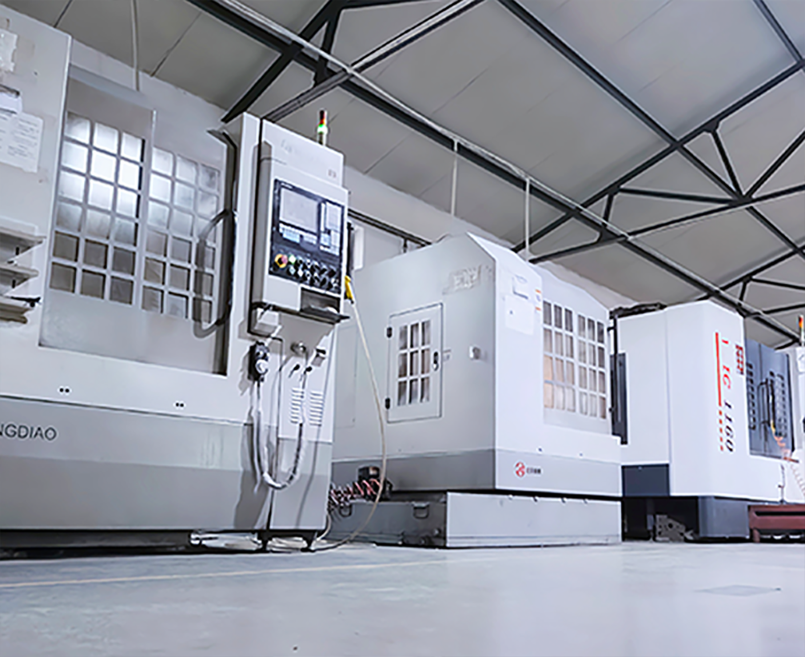
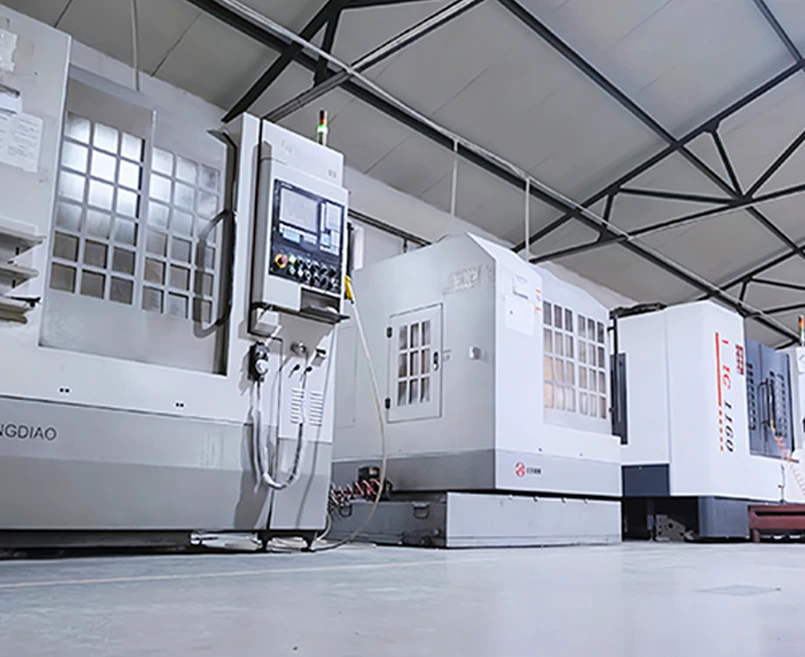
The primary material for 3-inch welded steel rings is typically carbon steel, specifically AISI/SAE 1018, 1045, or A36 steel, chosen for their weldability, tensile strength, and cost-effectiveness. Alloy steels such as 4140 or 8640 may be employed for applications demanding higher toughness and impact resistance, especially at low temperatures. The chemical composition of the selected steel dictates its mechanical properties; for example, increased carbon content enhances hardness but reduces ductility. Manufacturing commences with precise cutting of steel plates or bars to the desired dimensions. Edge preparation, including beveling, is critical for achieving optimal weld penetration. Welding is predominantly performed using Shielded Metal Arc Welding (SMAW), Gas Metal Arc Welding (GMAW), or Submerged Arc Welding (SAW) processes. GMAW is favored for its speed and control. Multi-pass welding is standard practice to minimize residual stresses and ensure full penetration. Post-weld heat treatment (PWHT), typically involving normalizing or stress relieving, is crucial to reduce weld distortion, improve ductility, and enhance the overall structural integrity. Non-destructive testing (NDT) methods such as Magnetic Particle Inspection (MPI), Ultrasonic Testing (UT), and Radiographic Testing (RT) are indispensable for detecting internal flaws (porosity, inclusions, cracks) and ensuring weld quality. The ring is then machined to achieve the specified dimensions and surface finish, followed by coating (paint, galvanizing) to provide corrosion protection.
Performance & Engineering
The performance of a 3-inch welded steel ring is primarily governed by its tensile strength, yield strength, and fracture toughness. Under load, the ring experiences both tensile and bending stresses, concentrated at the weld joint. Finite Element Analysis (FEA) is routinely used to model stress distribution and predict failure points. The design must account for the dynamic nature of lifting operations, incorporating safety factors to mitigate the risk of fatigue failure. The Working Load Limit (WLL), defined as the maximum load that can be safely applied, is determined by dividing the Minimum Breaking Strength (MBS) by a design factor, typically 5:1 or 4:1 depending on the application and regulatory requirements. Environmental factors, notably corrosion and temperature, significantly impact performance. Corrosion reduces cross-sectional area, weakening the ring, while low temperatures decrease ductility and increase the susceptibility to brittle fracture. Galvanizing or other protective coatings are essential in corrosive environments. Compliance with industry standards such as ASME B30.26 (Rigging Hardware) is paramount, dictating material specifications, manufacturing processes, testing requirements, and marking protocols. Proper sling angle management is crucial; increased sling angles substantially elevate the tension in each leg, potentially exceeding the WLL of the rings.
Technical Specifications
| Parameter | Typical Value (AISI 1018 Steel) | Unit | Test Method |
|---|---|---|---|
| Inner Diameter | 3.0 +/- 0.05 | inches | Caliper Measurement |
| Outer Diameter | 6.0 +/- 0.1 | inches | Caliper Measurement |
| Cross-Sectional Width | 1.0 +/- 0.05 | inches | Caliper Measurement |
| Minimum Breaking Strength (MBS) | 60,000 | lbs | ASTM A370 |
| Working Load Limit (WLL) (5:1 SF) | 12,000 | lbs | Calculated |
| Yield Strength | 58,000 | psi | ASTM A370 |
| Tensile Strength | 72,000 | psi | ASTM A370 |
Failure Mode & Maintenance
The most common failure modes for 3-inch welded steel rings include fatigue cracking, weld defects (porosity, incomplete penetration, undercut), overload failure, and corrosion-induced degradation. Fatigue cracking typically initiates at stress concentration points, such as the weld toe or areas of surface damage. Cyclic loading, even below the WLL, can propagate cracks over time. Weld defects, if undetected during NDT, act as stress risers and can lead to catastrophic failure under load. Overload failure occurs when the applied load exceeds the MBS, resulting in immediate rupture. Corrosion weakens the material, reducing its load-carrying capacity and accelerating fatigue crack growth. Maintenance procedures should include regular visual inspections for cracks, corrosion, deformation, and weld defects. Rings exhibiting any signs of damage should be immediately removed from service. Periodic NDT (MPI or UT) is recommended, especially for rings used in critical applications or harsh environments. Lubrication of the ring’s surface can help prevent corrosion. Proper storage in a dry, protected environment is essential. Record-keeping of inspection and maintenance activities is crucial for traceability and ensuring continued safe operation. Any ring exhibiting significant corrosion or weld defects should be discarded and replaced.
Industry FAQ
Q: What is the impact of different welding processes (SMAW, GMAW, SAW) on the final integrity of a 3-inch welded steel ring?
A: Each welding process has its strengths and weaknesses. SMAW is versatile but requires skilled welders and can introduce slag inclusions. GMAW offers higher deposition rates and better control but necessitates gas shielding. SAW provides deep penetration and high deposition rates, suitable for thick sections, but is limited to flat or horizontal welding positions. The choice depends on the steel grade, ring geometry, and weld quality requirements. Proper parameter control (voltage, amperage, travel speed) and qualified welders are critical regardless of the process chosen. SAW generally yields higher weld quality for thicker sections, while GMAW is often preferred for smaller diameter rings where precise control is paramount.
Q: How does the sling angle affect the load on each ring in a multi-leg sling system?
A: As the sling angle increases, the tension in each leg, and consequently on each ring, significantly increases. This is due to the vertical component of the tension decreasing while the horizontal component increases. A 90-degree sling angle results in the highest tension, approximately twice the weight of the load. Reducing the sling angle minimizes tension and maximizes sling capacity. Therefore, careful consideration of sling angles is crucial to avoid exceeding the WLL of the rings.
Q: What are the key differences between normalizing and stress relieving as post-weld heat treatment options?
A: Normalizing involves heating the ring to a temperature above the upper critical temperature followed by air cooling. This refines the grain structure, improves mechanical properties, and reduces residual stresses. Stress relieving, conversely, heats the ring to a lower temperature (below the lower critical temperature) and slowly cools it, primarily to reduce residual stresses without significantly altering the material’s microstructure. Normalizing provides higher strength and toughness, while stress relieving minimizes distortion and enhances dimensional stability.
Q: What is the acceptable level of surface pitting due to corrosion before a ring is deemed unsafe for use?
A: There isn't a universally accepted quantitative threshold for acceptable pitting. However, any pitting that reduces the cross-sectional area of the ring by more than 10% is generally considered unacceptable. Pitting also creates stress concentration points, accelerating fatigue crack growth. A visual inspection should be supplemented by dimensional measurements to assess the severity of the pitting. Rings with significant pitting should be removed from service and replaced.
Q: What are the advantages and disadvantages of powder coating versus galvanizing for corrosion protection?
A: Galvanizing provides superior corrosion protection, particularly in harsh marine or industrial environments, due to its sacrificial anodic protection mechanism. However, it can alter the dimensions of the ring slightly and may not offer the same aesthetic finish as powder coating. Powder coating offers a durable, aesthetically pleasing finish and can be applied in a wide range of colors. However, it provides less corrosion protection than galvanizing and is more susceptible to chipping or abrasion. The choice depends on the specific application and the level of corrosion resistance required.
Conclusion
3-inch welded steel rings are essential components in numerous lifting and rigging applications. Their performance and safety are intrinsically linked to material selection, meticulous manufacturing processes, rigorous quality control, and diligent maintenance. Understanding the material science principles governing their behavior, particularly concerning weld integrity and corrosion resistance, is paramount. Adherence to industry standards like ASME B30.26, coupled with proper engineering analysis and regular inspection, is critical for ensuring the reliable and safe operation of these vital lifting components.
Ultimately, proactive inspection regimes, coupled with informed material choices and robust manufacturing methodologies, are the cornerstone of preventing catastrophic failure. Future developments in welding techniques, such as laser welding and friction stir welding, may offer even greater control over weld quality and minimize residual stresses. Furthermore, advancements in corrosion-resistant alloys and coating technologies will continue to enhance the durability and lifespan of 3-inch welded steel rings, extending their operational utility and bolstering overall safety within demanding industrial environments.